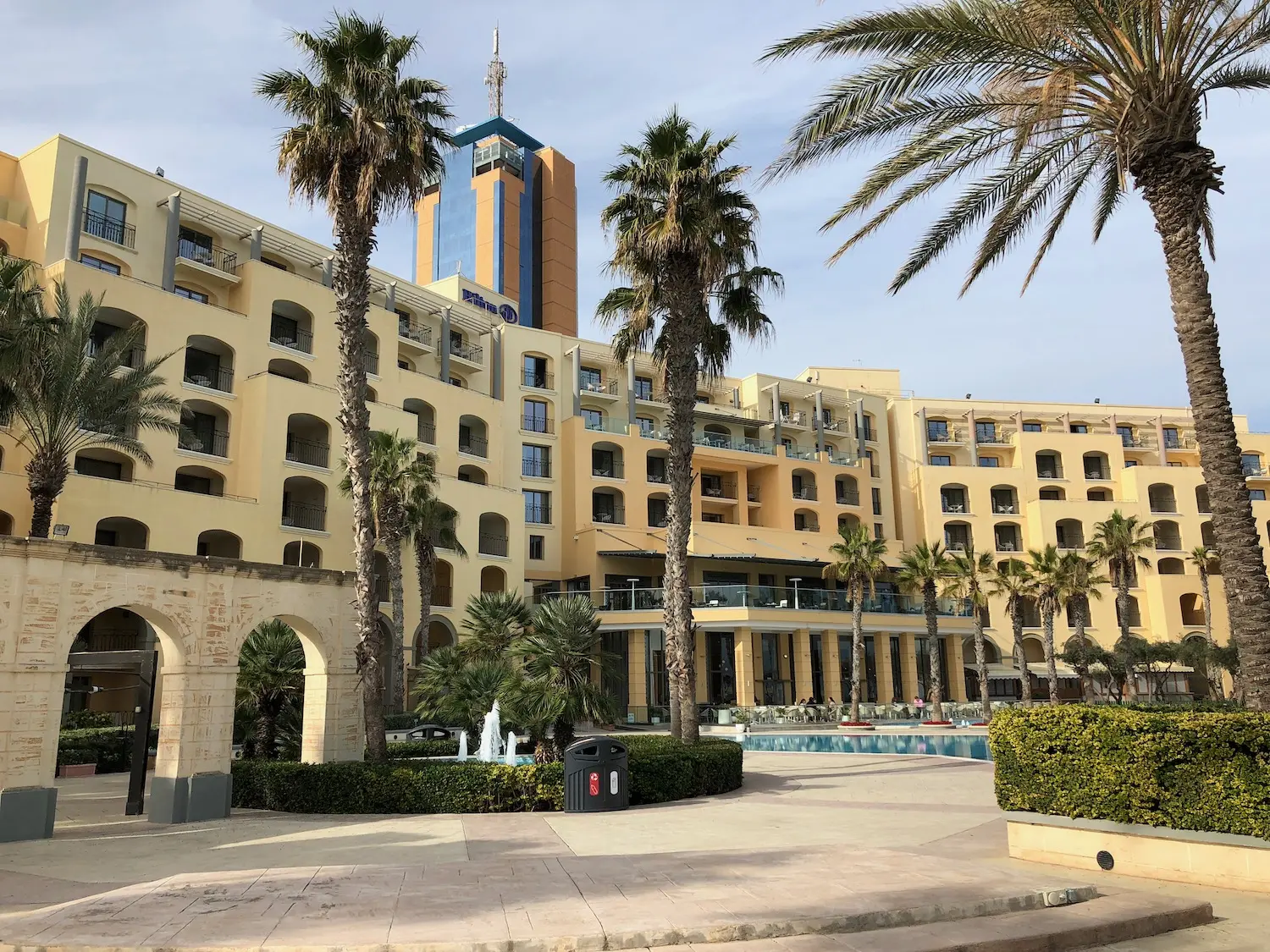
Hilton Outpaces Marriott, Hyatt and IHG in Room Expansion
Rapid Expansion in High‑Demand Markets
In the third quarter of 2026, Hilton announced the opening of 182 hotels and 27,000 new rooms. This expansion added 23,000 net rooms, representing a 6.0% increase in unit count compared to the previous year, surpassing the growth rates of Marriott, Hyatt and IHG.
Latest news
 Olympic Holidays Black Friday Deals Save Up to £900 Per Person on 2027 Island Escapes
 Ramble Worldwide Unveils UK National Parks Walking Holiday Collection
 Nine in 10 solo travellers would choose group travel
 Porto Santo: The Quiet Island Escaping the Summer Crowds
Why RevPAR and Profits Lag Behind Room Growth?
Hilton’s aggressive expansion strategy has been driven by a focus on high‑yield markets and a streamlined development pipeline. The company’s leadership highlighted that the new properties are positioned in regions with strong travel demand, ensuring a higher occupancy probability. Despite the rapid growth, Hilton’s revenue per available room (RevPAR) and overall profit margins did not rise at the same pace, indicating that the added inventory has yet to fully translate into higher earnings.
Hilton’s latest openings are concentrated in the United States, Europe and Asia‑Pacific, where tourism and business travel remain robust. The company’s spokesperson noted that the new hotels will feature modern amenities and sustainability initiatives, aiming to attract both leisure and corporate guests. By adding 23,000 rooms, Hilton has increased its global footprint, positioning itself as the fastest-growing major hotel chain in the sector.
Frequently Asked Questions
The gap between room expansion and financial performance can be attributed to several factors. First, the initial operating costs of new properties are high, which temporarily suppress profit margins. Second, the competitive landscape in key markets has intensified, leading to pricing pressures that affect RevPAR. Finally, Hilton’s investment in technology and brand differentiation requires upfront capital, delaying immediate returns. The company plans to monitor occupancy trends closely and adjust pricing strategies to close the performance gap over the next fiscal year.