How the 1970s Sparked the Modern Business Traveler
Supersonic Speed and Corporate Efficiency
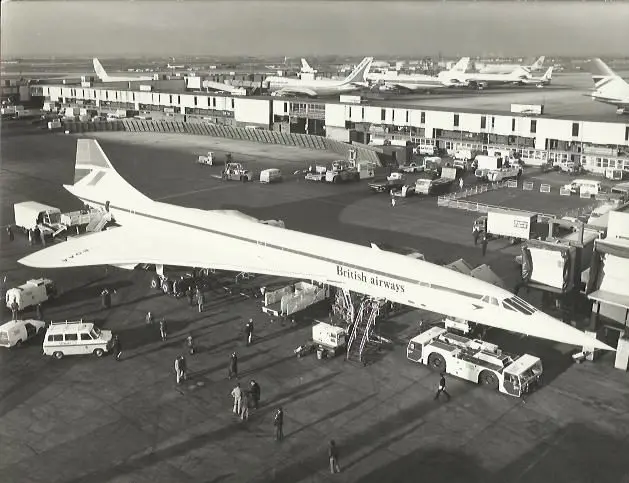
In 1976, the Concorde made its debut, allowing a London departure at 9 a.m. to reach New York by 7 a.m. the next day. This joint British‑French engineering feat combined speed, luxury, and unprecedented transatlantic travel time, reshaping expectations for business trips.
Latest news
 Cruise lines unveil Black Friday discounts
 Antigua and Barbuda: The Caribbean’s Best-Kept Secret for Corporate Incentive Travel May Not Stay Secret Much Longer
 The Best Things to Do in Lanzarote Beyond Sunbathing, According to an Expert
 UK travel site launches £200 winter weekend giveaway to celebrate cosy British getaways
The Concorde’s launch marked a turning point for corporate mobility. Its supersonic cruise speed of 1,350 km/h cut flight times by more than half, enabling executives to arrive in a city, conduct meetings, and return home within a single business day. The aircraft’s sleek design and cabin comfort set new standards for in‑flight experience, proving that speed could coexist with luxury. The success of Concorde also spurred further innovation in airline services and technology.
From GPS to Global Connectivity
Supersonic travel revolutionized the way companies scheduled international projects. Executives could now plan multi‑city itineraries that previously required overnight stays. Airlines responded by offering dedicated business‑class cabins, priority boarding, and tailored catering. The reduced travel time translated into higher productivity, as meetings could be conducted without the fatigue associated with long flights. Moreover, the Concorde’s reliability encouraged firms to invest in global expansion, knowing that travel constraints would no longer impede rapid decision‑making.
While the Concorde captured headlines, other technologies quietly reshaped business travel. The 1970s saw the early development of global positioning systems, which later enabled precise navigation and efficient flight planning. Airlines began to adopt computer‑based reservation systems, allowing travelers to book seats, manage itineraries, and receive real‑time updates from a single platform. These advances laid the groundwork for the modern digital travel ecosystem, where booking, check‑in, and boarding can occur entirely online.
The introduction of frequent‑flyer programs also emerged during this era. Companies began to reward loyalty, encouraging repeat travel and fostering stronger relationships between airlines and corporate clients. These programs provided tangible benefits such as seat upgrades, lounge access, and priority services, further enhancing the travel experience for business travelers.
How Did These Innovations Shape Today’s Travel Landscape?
The legacy of the 1970s innovations is evident in today’s seamless travel experience. Modern airlines now offer high‑speed, high‑comfort flights, while GPS and digital booking systems ensure precision and convenience. Corporate travelers benefit from integrated travel management tools that track expenses, optimize itineraries, and provide real‑time support. The foundation laid in the 1970s has evolved into a sophisticated network that supports global business operations with speed, reliability, and efficiency.
The continued evolution of travel technology promises even greater gains. Emerging high‑speed rail, electric aircraft, and advanced data analytics will likely reduce travel times further and lower environmental impact. Companies that adapt to these changes will maintain a competitive edge in a world where mobility is a critical business asset.
What was the main advantage of the Concorde for business travelers? It cut transatlantic flight time to just six hours, allowing executives to conduct meetings across continents within a single day and return home the same evening.
Frequently Asked Questions
How did early GPS technology influence airline operations? GPS enabled precise navigation and efficient flight planning, reducing fuel consumption and improving on‑time performance, which in turn lowered operational costs for airlines.
Why are frequent‑flyer programs still relevant today? They reward loyalty, provide tangible benefits such as upgrades and lounge access, and help companies manage travel expenses while fostering stronger airline‑corporate relationships.