Hurricane Trudy Spurs Canada’s Warning Against Non‑Essential Trips to Mexico’s Pacific Coast
Why the Advisory Is Issued Now
Canadian officials have issued a travel advisory urging citizens to avoid non‑essential journeys to Mexico’s Pacific coast as Hurricane Trudy approaches. The warning, released on October 16 by Global Affairs Canada, comes amid forecasts of severe weather that could disrupt travel plans and endanger visitors.
Latest news
 Phu Quoc: Vietnam’s Premier Tropical Island Escape
 Finding the Best Neighborhoods to Stay in Peru’s Coastal Capital
 Bomb Threat Diverts Tel Aviv Flight to Sofia
 Tracing Ancient Footsteps Through the Yucatán Wilderness
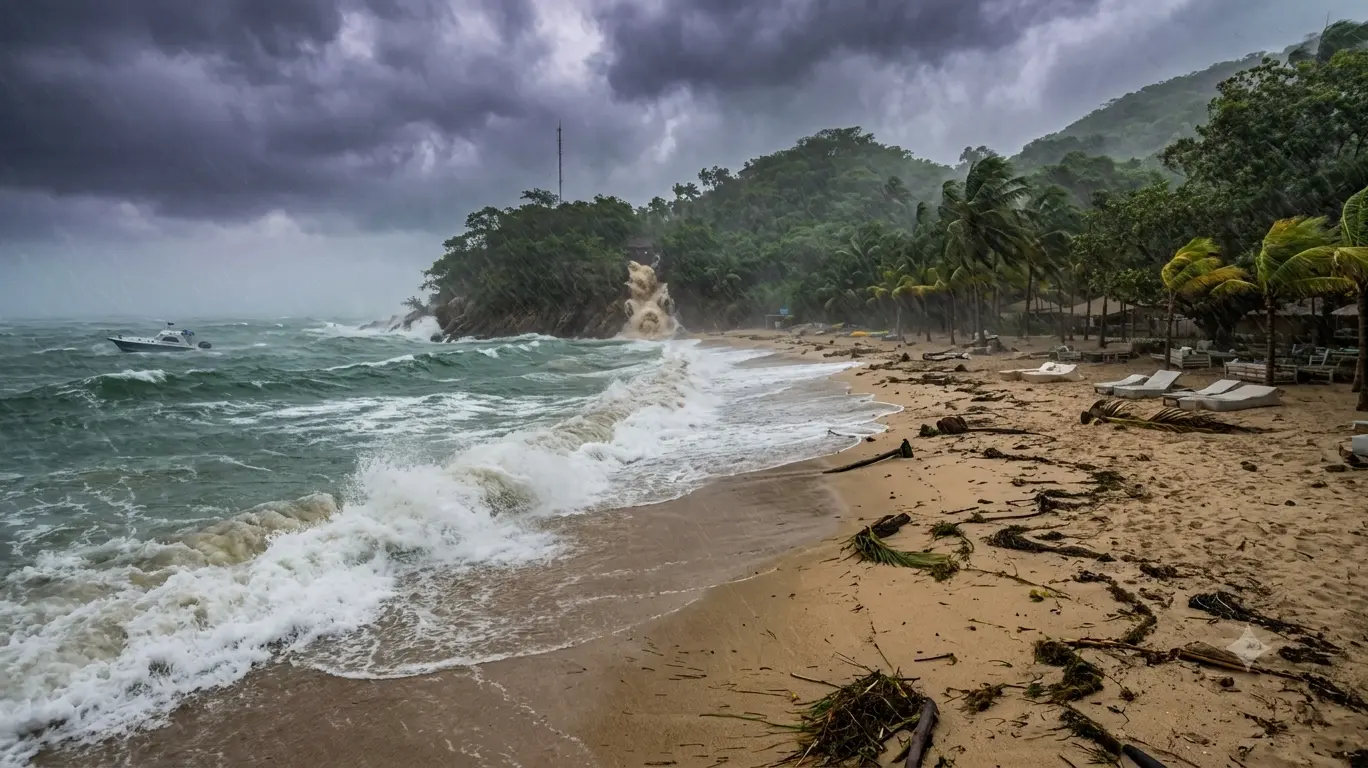
The advisory targets the western Mexican states of Jalisco, Nayarit, Colima, and Michoacán, where the hurricane is expected to make landfall. Travelers are advised to postpone beach outings, boat excursions, and other leisure activities that rely on stable weather. The government highlighted that the storm could bring high winds, heavy rainfall, and flooding, potentially damaging coastal infrastructure and making roads unsafe.
How the Storm Could Impact Visitors
The decision follows updated meteorological data indicating that Trudy is intensifying as it moves toward the Mexican coastline. Authorities emphasize that the storm’s path could bring destructive winds and storm surges to popular tourist destinations such as Puerto Vallarta and Manzanillo. Local governments have already begun preparing emergency services, but the Canadian government stresses that the safest course is to delay non‑essential travel until the hurricane passes.
Travelers who have already booked trips are encouraged to check with airlines and hotels for cancellation policies. The advisory also notes that emergency shelters and evacuation routes may be limited during peak storm activity, increasing the risk for visitors who are unfamiliar with the area.
Is It Safe to Stay in Mexico During the Storm?
The hurricane’s projected wind speeds could reach 120 kilometers per hour, while rainfall totals might exceed 200 millimeters over a 48‑hour period. Such conditions can cause coastal flooding, power outages, and damage to tourist infrastructure. In addition, the high seas could make boat travel hazardous, potentially trapping tourists on small vessels or in coastal towns.
Local authorities in the affected states have issued their own warnings, urging residents and visitors to stay indoors and avoid coastal roads. The Canadian government’s advisory aligns with these local measures, underscoring the importance of staying informed and following official instructions.
Frequently Asked Questions
The safest approach is to remain in a secure location and avoid travel to the coast until the hurricane’s effects have passed. Canadian citizens can seek assistance from the nearest Canadian embassy or consulate for emergency support. If you must travel, consider staying inland and monitoring weather updates closely. The government advises that any travel plans should be flexible, with the ability to cancel or reschedule at short notice.
The advisory remains in effect until further notice, as the storm’s path and intensity continue to evolve. Travelers are urged to keep abreast of updates from both Canadian and Mexican authorities and to prioritize safety over leisure plans.
Content written by Karla Demery for travel-good.com editorial team, AI-assisted.