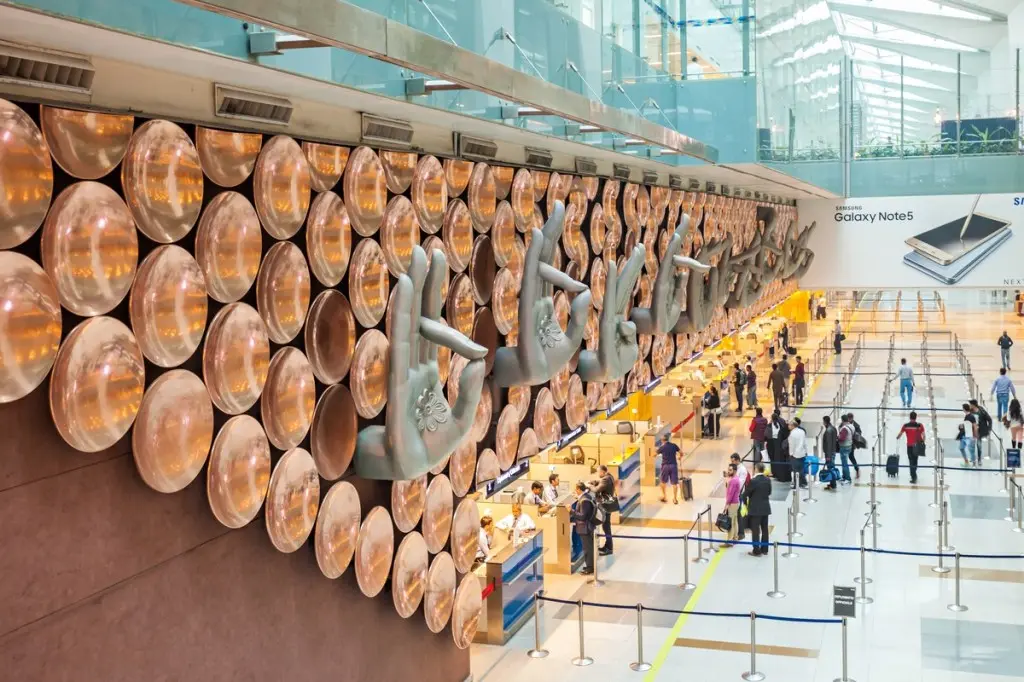
India Simplifies Visa Rules to Boost Tourism
Streamlining Bureaucracy for Global Competitiveness
New Delhi has launched a major overhaul of its visa system to attract more international travelers. The government reduced the main visa categories from thirteen to nine. This change simplifies the application process significantly. The new framework aims to remove bureaucratic barriers for foreign visitors. Officials expect the revised system to be fully operational by the end of the year. This move signals a strong commitment to growing the tourism sector.
Latest news
 FITUR 2027 Expansion Promises Record-Breaking Tourism Showcase
 Abu Dhabi Boosts Luxury Marine Tourism Through New Strategic Partnership
 U.S. Border Directive Blocks Canadian Worker From Flight
 Vermont-Quebec Border Crossing Faces Extended Closure for Upgrades
The core of this reform involves streamlining the data required for entry. Application forms now demand up to seventy percent less information than before. This reduction targets the friction that often deters potential tourists. By cutting unnecessary fields, the government hopes to speed up processing times. It also aims to reduce errors in submissions. The simplified structure makes it easier for applicants to navigate the system. This efficiency is crucial for competing with other global destinations.
The reduction in visa categories consolidates similar travel purposes. This creates a clearer path for different types of visitors. Business travelers, tourists, and medical visitors now have distinct, streamlined options. The government argues that complex forms created avoidable delays. Fewer fields mean faster review cycles for immigration officers. This efficiency is a key selling point for India. It aligns the country with more modern visa systems used elsewhere. The goal is to make India a smoother destination for entry.
Will Easier Visas Actually Drive Growth?
However, experts warn that visa changes are only one piece of the puzzle. An easier visa does not automatically translate to higher visitor numbers. Infrastructure, safety perceptions, and marketing play vital roles. India must address these broader issues to see real growth. The tourism industry needs reliable transport and accommodation options. Without these, a simple visa offer may fall short. Visitors need a seamless experience from arrival to departure.
The success of this initiative depends on execution. The system must work smoothly in practice, not just on paper. Delays in implementation could undermine the initial enthusiasm. Industry stakeholders are watching closely for real-world results. They want to see if processing times actually drop. They also want to see if rejection rates improve. The government faces pressure to deliver tangible benefits. Tourism is a significant economic driver for the nation. It creates jobs and generates foreign currency.
Frequently Asked Questions
The outlook remains cautiously optimistic. The visa overhaul removes a specific, known pain point. It sets the stage for future improvements. But it is not a standalone solution. India must pair this with better infrastructure and promotion. The ease of entry must match the ease of travel within the country. If these elements align, visitor numbers could rise. The next few months will reveal if this strategy works.
How many visa categories does India have now? India has reduced its main visa categories from thirteen to nine. This consolidation simplifies the classification of different travel purposes.
What is the biggest change in the application process? Application forms now require up to seventy percent less information. This reduction aims to speed up processing and reduce errors.