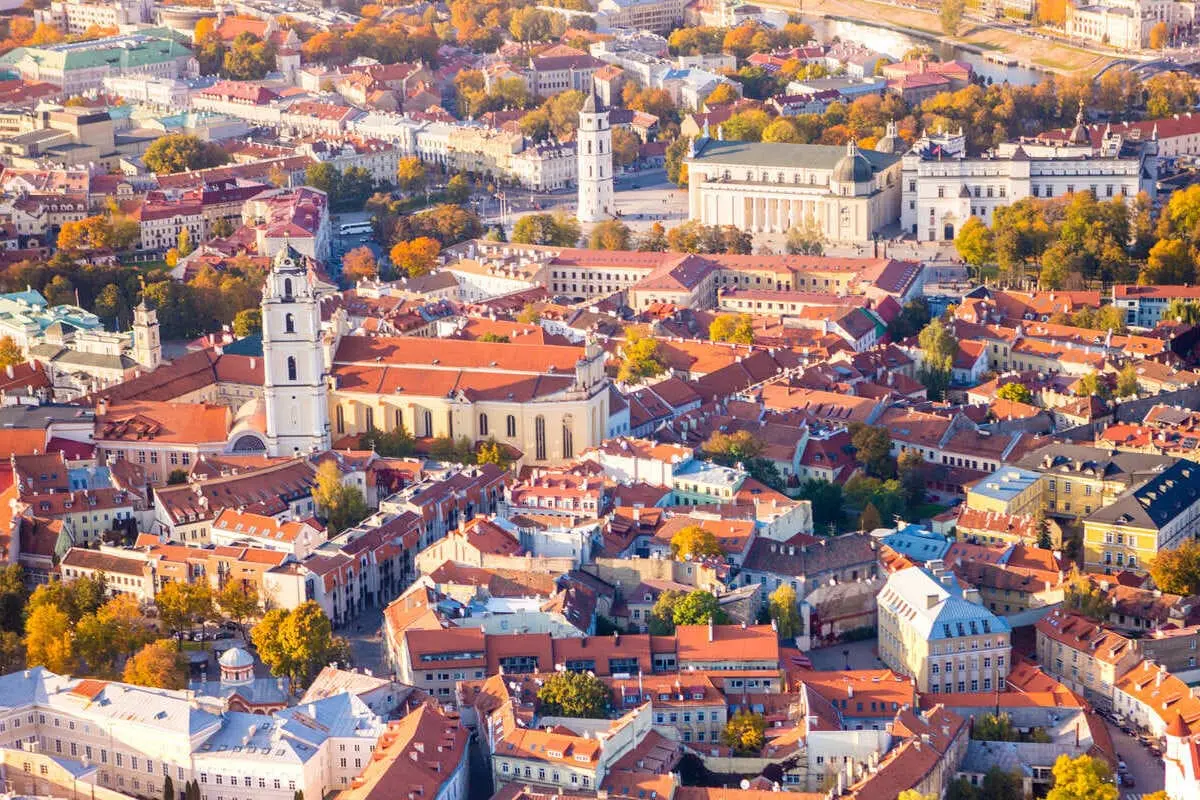
I’ve Explored Almost Every Eastern European Country: Here Are The 4 Safest Cities With $15 Dinners And Zero Crowds
Why These Cities Feel Like Hidden Havens
Traveling through Eastern Europe has revealed hidden gems where safety, affordability, and tranquility coexist. After visiting nearly every country in the region, I’ve identified four cities that consistently deliver peaceful experiences without the tourist crowds or inflated prices. These destinations offer authentic local life, secure streets, and meals that cost less than $15, making them ideal for thoughtful travelers seeking substance over spectacle.
Latest news
 Living and Learning Across Sixty Global Destinations
 Exploring South Korea Beyond the Capital
 Laguna Beach Unveils 25 Must‑Try Experiences for Visitors and Locals Alike
 Oman Proves Ideal For Independent Road Trips
The selection criteria focused on three key factors: low crime rates, walkable city centers after dark, and the availability of hearty, traditional meals at local eateries for under $15. Cities like Bratislava, Ljubljana, Tallinn, and Vilnius emerged as standouts—not because they’re unknown, but because they maintain their charm without relying on mass tourism. Unlike more frequented spots where prices spike and streets swell, these capitals preserve a rhythm that feels lived-in rather than performed. Public transport is reliable, signs are often multilingual, and residents tend to be helpful without being intrusive.
How Do They Stay Off the Radar Despite Their Appeal?
What sets these four apart is their balance of accessibility and authenticity. In Ljubljana, the Ljubljanica River winds through a car-free old town where cafes spill onto cobblestones and dinner at a gostilna (traditional restaurant) rarely exceeds $12. Vilnius offers gothic courtyards and KGB museum visits followed by cepelinai (potato dumplings) for under $10 at a neighborhood bakery. Tallinn’s medieval walls enclose a tech-savvy yet calm capital where black bread and herring plates cost less than $8. Bratislava, often overlooked for Prague or Vienna, surprises with its Danube-side promenades and hearty goulash served in centuries-old cellars for under $15. None require guided tours to feel safe; wandering alone at night feels ordinary, not risky.
Despite their strengths, these cities avoid the overexposure that plagues Budapest or Krakow. One reason is geographic—none lie on major low-cost airline hubs that drive weekend party tourism. Another is cultural: they prioritize sustainability over scalability. Ljubljana, for instance, was named Europe’s Green Capital in 2016 and has since restricted car access in its core. Vilnius promotes slow tourism through seasonal festivals that spread visitors across months rather than concentrating them in summer. Tallinn’s e-residency program draws digital nomads who stay quietly in apartments, not hotels. Bratislava benefits from proximity to Vienna but doesn’t mimic it—instead, it leans into its own Slovak identity, with local wines and bryndzové halušky (sheep cheese dumplings) as anchors. The result? Travelers who value peace over spectacle find themselves welcomed, not swallowed.
What Happens When More Travelers Discover Them?
The quiet appeal of these cities is fragile. As remote work grows and travelers seek alternatives to overpriced Western Europe, demand is already nudging prices up—especially in Tallinn and Ljubljana, where boutique hotels and specialty coffee shops are multiplying. Local officials acknowledge the tension: they want economic benefit without losing livability. In response, Vilnius has tightened short-term rental rules, while Ljubljana limits new hotel licenses in the center. For now, the $15 dinner remains possible if you eat where locals eat—market halls, family-run taverns, or bakeries with daily specials. But the window may be narrowing. Those who go now, with respect and curiosity, will find not just affordability and safety, but a glimpse of Eastern Europe as it prefers to be seen: unhurried, genuine, and quietly proud.
Are these cities safe for solo travelers, especially at night? Yes, all four rank highly in safety indexes for solo travelers. Violent crime is rare, and well-lit, populated centers remain active into the evening. Standard precautions apply, but anecdotal reports consistently describe feeling secure walking alone after dark.
Frequently Asked Questions
Can you really get a full meal for under $15 in these cities? Absolutely. Traditional dishes like Slovak bryndzové haluški, Lithuanian cepelinai, Estonian verivorst (blood sausage), and Slovenian jota stew are regularly priced between $8 and $14 at local eateries, especially outside main squares or in residential neighborhoods.
Will visiting these cities support local communities more than crowded destinations? Yes—spending in family-run restaurants, markets, and small guesthouses tends to circulate money directly within communities. Choosing these cities helps sustain local culture without contributing to the strains of overtourism seen elsewhere.
Content written by Vinicius Costa for travel-good.com editorial team, AI-assisted.