Jordan’s Tourism Booms as Arab and Asian Visitors Replace Western Travelers
Rising Arab Tourism Drives Economic Growth
Jordan’s tourism revenue grew 4.9% to $6.35 billion in the first nine months of 2026, according to the Central Bank of Jordan. The rise comes despite a sharp decline in spending by Western tourists, who now account for a smaller share of the market. Instead, Arab visitors increased their spend by 18.8%, while Asian tourists also contributed to the uptick.
Latest news
 Italy’s Tourism Agency Partners With Private Sector to Expand Global Reach
 American Airlines turns 100 years of flight memories into 200,000-mile jackets
 Expedia Group Acquires Kiwi.com to Expand European Flight Sales
 Atlas Ocean Voyages Lets Guests Choose Hull Color for New Sailing Yacht
The shift reflects broader changes in travel patterns after the pandemic. Many Western travelers have postponed or canceled trips to the Middle East, citing safety concerns and changing priorities. Meanwhile, Arab and Asian tourists are drawn to Jordan’s cultural heritage, affordable prices, and growing digital infrastructure. The government has promoted regional tourism packages and improved visa processes, which have helped attract visitors from neighboring countries and the Far East.
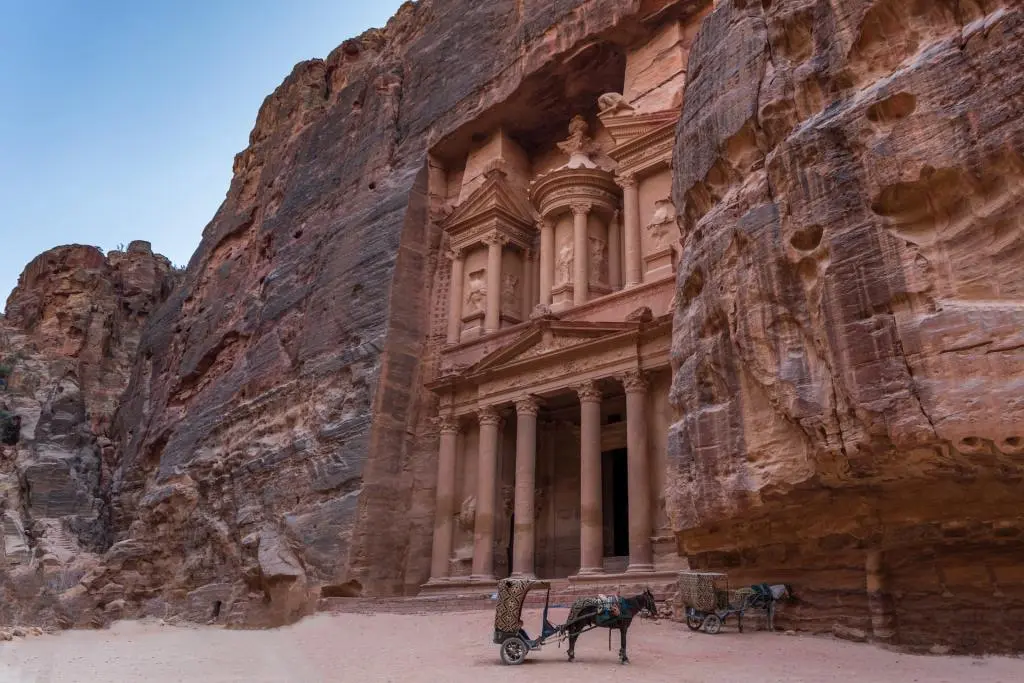
Why Petra Still Struggles to Attract Western Visitors
Arab travelers are now the largest source of tourism revenue in Jordan. In 2026, spending by visitors from Saudi Arabia, the United Arab Emirates, and other Gulf states rose by nearly 19%. The government attributes this surge to targeted marketing campaigns and the expansion of flight routes. Local hotels and tour operators report higher occupancy rates, especially in Amman, where new luxury and boutique accommodations have opened. The increased demand has also spurred investment in infrastructure, such as upgraded roads and expanded public transport links to key attractions.
The economic impact extends beyond the hospitality sector. Retail, transportation, and cultural institutions have reported higher foot traffic. A recent survey found that 65% of Arab tourists purchased souvenirs and local products, boosting small businesses. The Central Bank’s data indicates that the tourism sector’s contribution to GDP has risen by 0.7 percentage points, a significant jump for a country still recovering from the pandemic.
Petra, Jordan’s iconic archaeological site, has struggled to draw Western tourists in the same numbers as Amman. While the city’s modern amenities and nightlife appeal to regional visitors, Western travelers often seek UNESCO World Heritage sites with a broader international profile. Petra’s limited marketing in Western media and the perception of high entrance fees have deterred some potential visitors. Additionally, the site’s remote location and the need for guided tours can be a barrier for solo travelers.
What Does This Mean for Jordan’s Future?
The Jordanian tourism ministry has announced plans to rebrand Petra for a global audience. Initiatives include multilingual signage, expanded tour options, and partnerships with international travel agencies. The goal is to increase the number of Western visitors by 15% over the next two years, while maintaining the growth seen among Arab and Asian tourists. The ministry also plans to introduce dynamic pricing models to make the site more accessible during peak seasons.
The current trend suggests that Jordan’s tourism industry will continue to thrive as long as it capitalizes on its regional strengths. The government’s focus on digital marketing, visa facilitation, and infrastructure upgrades is likely to sustain growth. However, the country must also address the challenges facing Petra to diversify its visitor base. By balancing regional appeal with global outreach, Jordan can secure a stable tourism sector that supports economic resilience and cultural preservation.
How much did Jordan’s tourism revenue increase in 2026? Tourism income rose 4.9%, reaching $6.35 billion in the first nine months of 2026.
Frequently Asked Questions
Which visitor group contributed most to the growth? Arab travelers, whose spending increased by 18.8%, were the primary driver of the revenue boost.
What steps is Jordan taking to attract more Western tourists to Petra? The tourism ministry plans multilingual signage, expanded tour options, and dynamic pricing to make Petra more appealing to Western visitors.