Khada Parsi Statue: Mumbai’s Iron Tribute to a 19th‑Century Philanthropist
The Man who Built the Statue
A towering cast‑iron figure stands beneath the Byculla Bridge at a busy traffic junction in Mumbai’s Byculla neighbourhood. Locals call it the Khada Parsi Statue, a monument to Seth Cursetjee Manockjee (1763‑1845), a prominent Parsi businessman and philanthropist. The statue was erected by his son, Mr. Manockjee Cursetjee, as a lasting homage to his father’s legacy.
Latest news
 Delta Flight 2531 Forced to Declare Emergency After Passenger Disturbance
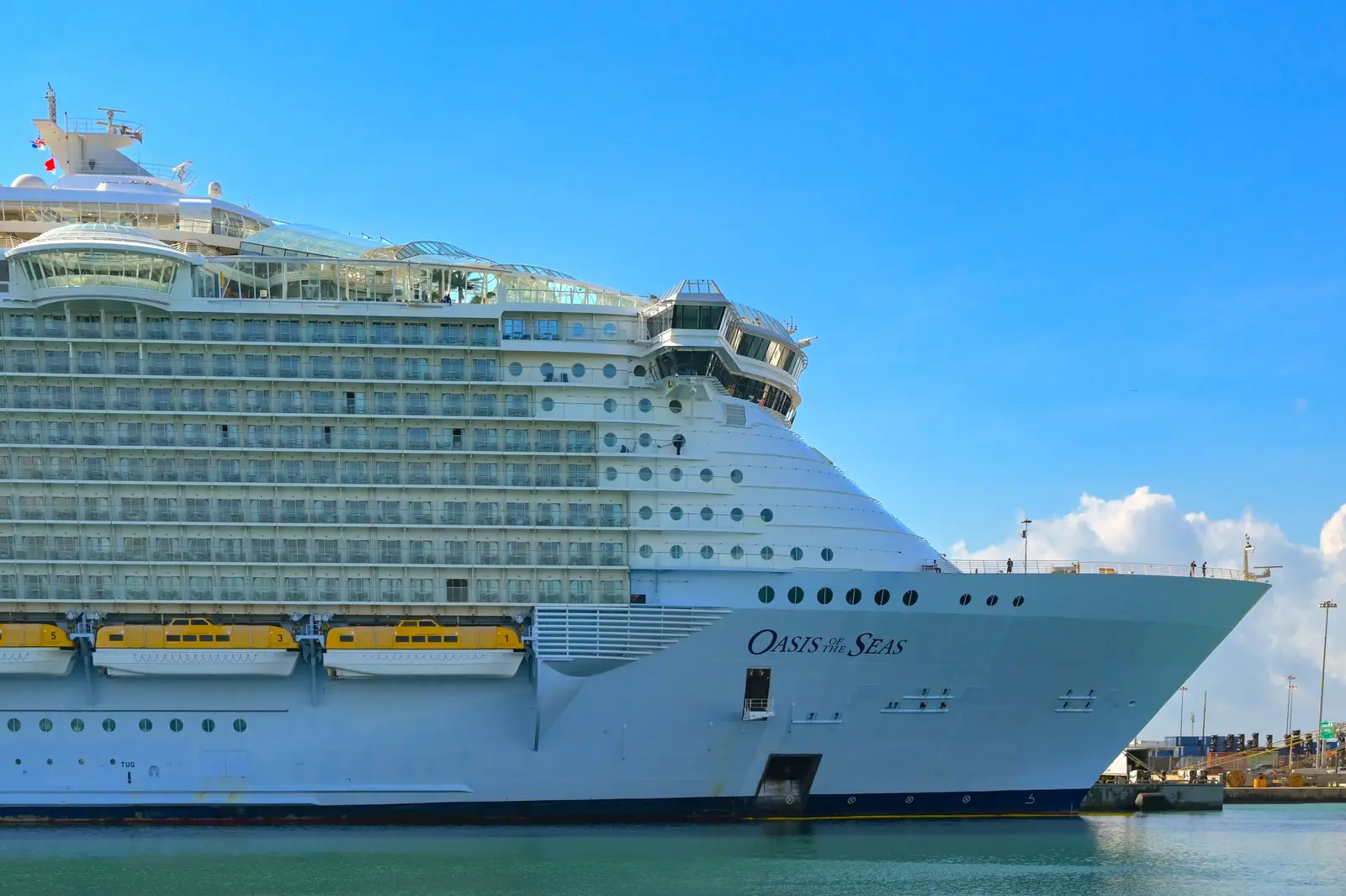 Royal Caribbean Cruise Diverts From Bahamas To Canada Amid Weather Concerns
 Chapel of Expiation: A Silent Witness to France’s Revolution
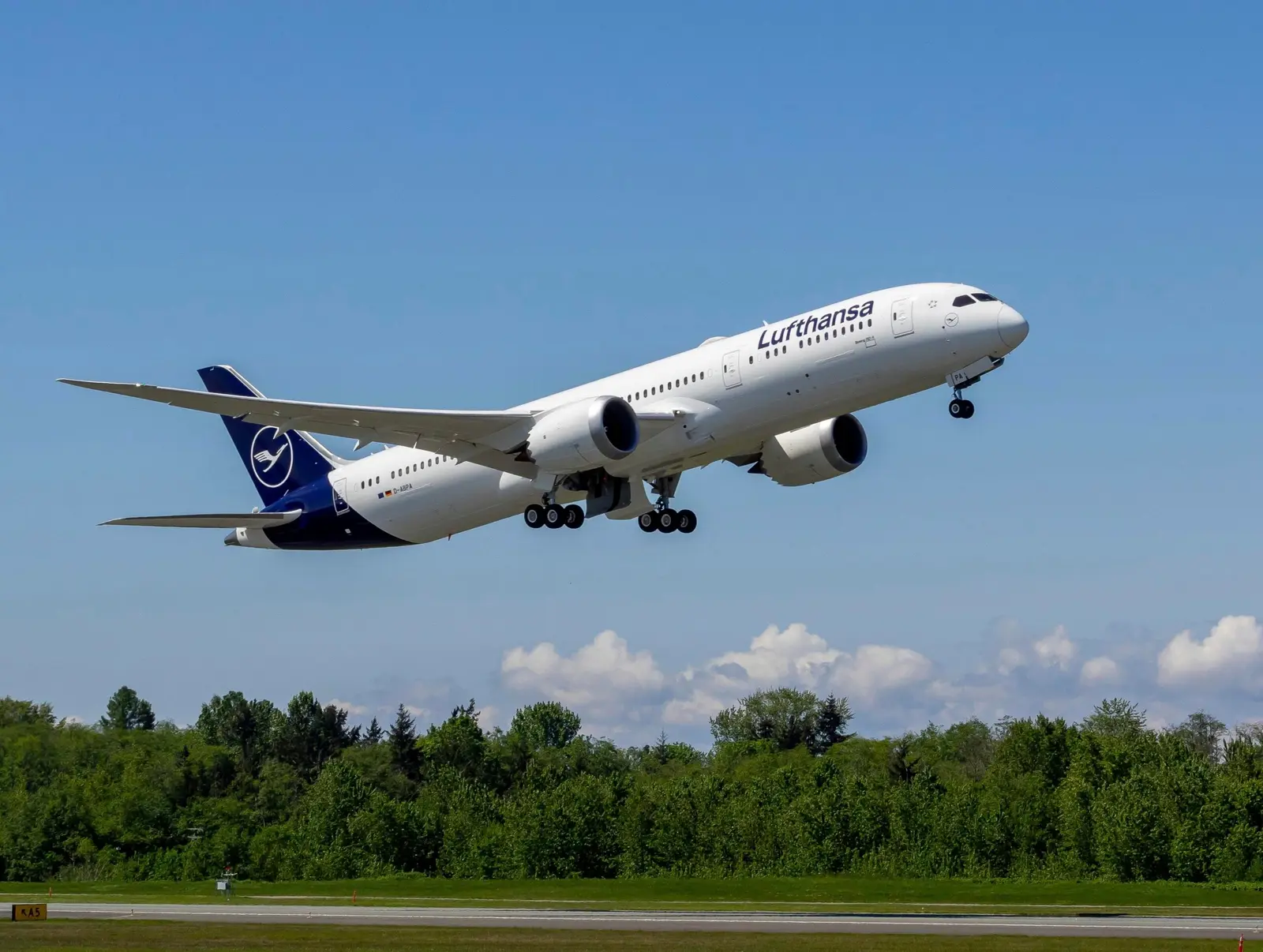 Lufthansa to Launch Columbus‑Frankfurt Direct Flights in 2027
The sculpture, made of durable cast iron, was commissioned in the early 19th century and installed at a strategic spot where the bridge meets the road. It reflects the wealth and civic pride of the Parsi community in Bombay, which played a key role in the city’s commercial development. The statue’s placement beneath the bridge allows it to be seen by thousands of commuters each day, serving as a silent reminder of the city’s multicultural heritage.
Seth Cursetjee Manockjee was a merchant who amassed considerable fortune through trade and real estate. He was also known for his generous donations to hospitals, schools, and temples. His son, recognizing his father’s impact, commissioned the iron statue to immortalise his memory. The choice of cast iron, a material that could withstand Mumbai’s humid climate, ensured the monument would endure for generations.
Why the Statue Matters Today
The statue’s design is simple yet dignified. It depicts Manockjee in a seated pose, holding a scroll that symbolizes his commitment to knowledge and philanthropy. The figure’s proportions are slightly larger than life, a common practice in 19th‑century public monuments intended to inspire awe. The iron casting technique was imported from Britain, showcasing the technological exchanges between India and the West during colonial times.
The Khada Parsi Statue is more than a relic; it is a cultural landmark that highlights the contributions of the Parsi community to Mumbai’s growth. In a city where heritage sites compete for attention, this monument offers a quiet narrative of philanthropy and civic responsibility. Tourists and locals alike pause at the statue to reflect on the city’s layered history.
The statue also serves an educational purpose. Schools in the area often include it in field trips, teaching students about the city’s diverse past and the role of minority communities in shaping modern India. By placing the monument in a high‑traffic area, the city ensures that the story of Seth Cursetjee Manockjee remains visible and accessible.
How the Statue Has Withstood Time
Cast iron, while robust, is susceptible to corrosion. Over the years, the Mumbai Municipal Corporation has undertaken several maintenance projects to preserve the statue’s integrity. Protective coatings are applied periodically, and the base is cleaned to prevent rust from spreading. The statue’s continued presence under the bridge also benefits from the surrounding infrastructure, which offers some shelter from the elements.
Despite its age, the Khada Parsi Statue remains a popular meeting point for locals. It has become a symbol of resilience, mirroring the city’s own ability to adapt and thrive amidst change. The monument’s enduring relevance underscores the importance of preserving historical artifacts that embody communal values.
Frequently Asked Questions
What is the significance of the statue’s location beneath the Byculla Bridge? The placement ensures high visibility for commuters and tourists, making it a daily reminder of the city’s multicultural heritage.
How often is the statue maintained? The municipal corporation performs routine cleaning and protective coating applications every few years to prevent corrosion and preserve its appearance.
Who was the original patron of the statue? It was commissioned by Seth Cursetjee Manockjee’s son, Mr. Manockjee Cursetjee, to honour his father’s philanthropic legacy.
Content written by Sophie Chen for travel-good.com editorial team, AI-assisted.