Known Traveler Number: Why It Matters for Faster Airport Security
How the Known Traveler Number Streamlines the Airport Experience
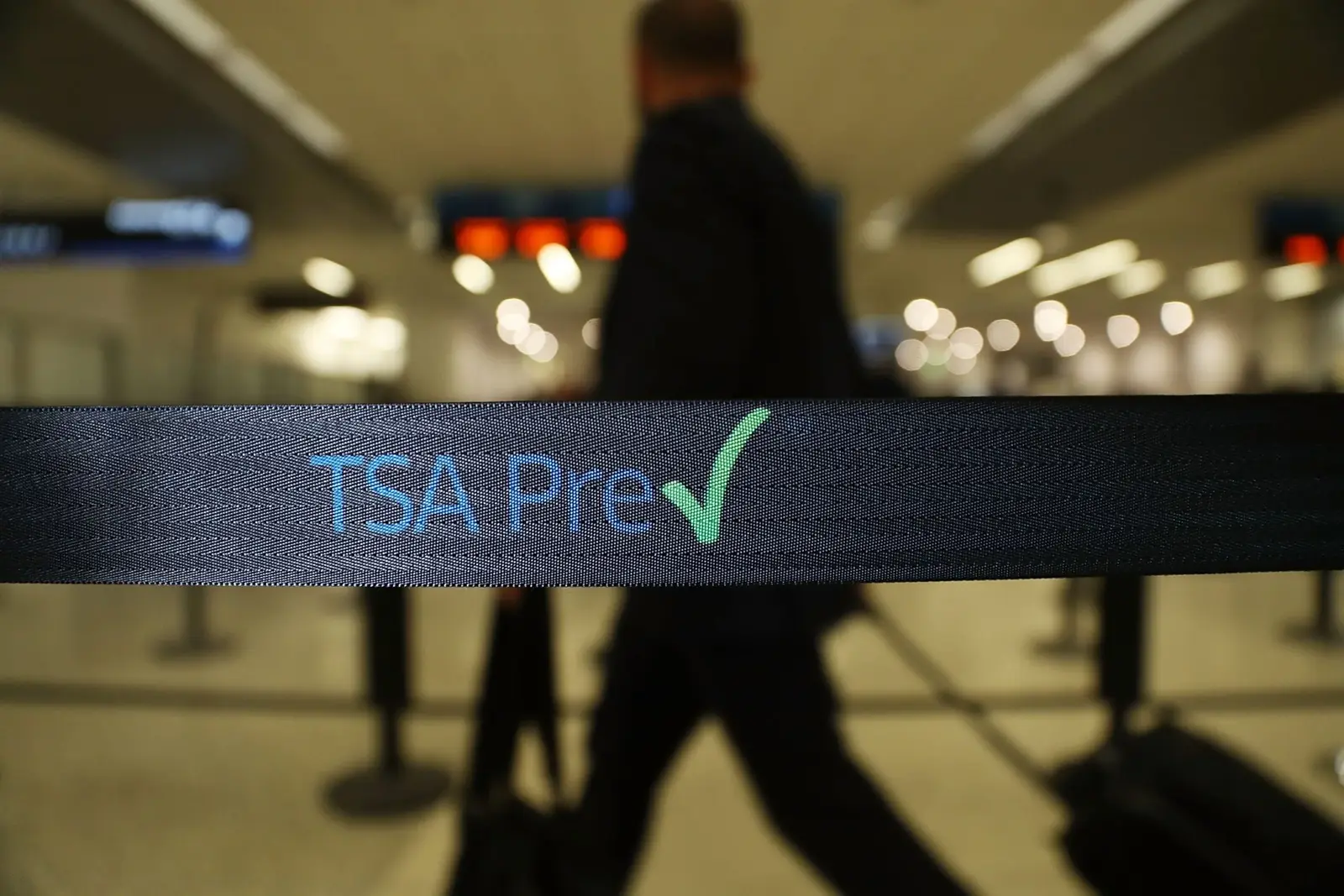
Travelers who have enrolled in TSA PreCheck or Global Entry receive a unique identifier called a Known Traveler Number (KTN). This nine‑digit code links a passenger’s trusted‑traveler status to airline reservations, allowing them to use expedited security lanes. Without it, even members must undergo standard screening, missing out on time‑saving benefits.
Latest news
 Exploring the Untamed Beauty of Northern Louisiana
 Beyond the Capital: British Tourism Chiefs Target Indian Visitors
 19 Unique Things to Do in Cape May, NJ
 A Local Says to Visit These 29 Farms in Puerto Rico
The KTN is issued after a background check and an in‑person interview, confirming the traveler’s low‑risk profile. Once assigned, the number must be entered when booking flights, either directly with airlines or through travel agents. Airlines then flag the reservation, and the traveler’s boarding pass displays the PreCheck logo. The system works across most U. S. carriers and many international partners, streamlining the security process for millions each year.
When a reservation includes a valid KTN, the traveler bypasses the longest lines at security checkpoints. PreCheck lanes typically allow passengers to keep shoes, belts, and light jackets on, and they do not need to remove laptops or liquids from bags. Data from the Transportation Security Administration shows that PreCheck users spend an average of 5 minutes in security, compared with 20 minutes for regular passengers.
Should Every Traveler Get a Known Traveler Number?
The benefit extends beyond speed. Frequent flyers report reduced stress and a smoother start to trips, especially during peak travel periods. „Having my KTN saved in my airline profile means I never have to remember to add it each time,” said a frequent business traveler who enrolled in Global Entry two years ago. The convenience also reduces the chance of missing connections due to security delays.
Eligibility for a KTN requires U. S. citizenship, lawful permanent residency, or certain visa statuses, plus a clean criminal record. The application fee ranges from $85 for TSA PreCheck to $100 for Global Entry, covering a five‑year membership. While the cost may seem high for occasional flyers, the time saved can translate into significant economic value for business travelers.
Critics argue that the program creates a tiered security system, but supporters point out that the vetting process enhances overall safety. Moreover, the KTN does not replace standard security protocols; it merely grants access to a faster lane after the same background checks. For those who travel internationally, Global Entry also expedites customs clearance, adding another layer of convenience.
What Happens If You Forget Your KTN?
If a traveler neglects to input their KTN during booking, the reservation will be processed like any other, and the passenger will face regular security lines. However, most airlines allow passengers to add or update the KTN up to 24 hours before departure via online account management. In cases where the number is omitted at the airport, staff can sometimes manually retrieve the traveler’s profile, though this is not guaranteed and may cause delays.
Looking ahead, the TSA plans to integrate the KTN more tightly with digital boarding passes and mobile wallets, further reducing friction. As more airlines adopt automated check‑in kiosks that recognize KTNs, the incentive to maintain an up‑to‑date traveler profile will grow.
Frequently Asked Questions
Can I have more than one Known Traveler Number? No. Each individual is assigned a single KTN that reflects their trusted‑traveler status across all participating programs.
Do children need a KTN? Children under 12 can use a parent’s PreCheck lane without a separate KTN, but enrolling them directly provides the same benefits for older minors traveling alone.
Will my KTN work on international flights? Yes, if the airline participates in TSA PreCheck or Global Entry and the flight originates in the United States. Some foreign carriers also honor the KTN for U. S. departures.
Content written by Sean Cudahy for travel-good.com editorial team, AI-assisted.