
Loveholidays Grows Quietly on Two‑Decade‑Old Packaging Model
How Scale Turned an Old Idea Into a Market Force
Loveholidays, a privately owned UK travel firm, reported sales of £3.4 billion (about $4.5 billion) in holidays up to October 2025. The company, largely unknown outside Britain, has built its success on a packaging method that dates back to the early days of online travel.
Latest news
 Delta Flight 2531 Forced to Declare Emergency After Passenger Disturbance
 Royal Caribbean Cruise Diverts From Bahamas To Canada Amid Weather Concerns
 Chapel of Expiation: A Silent Witness to France’s Revolution
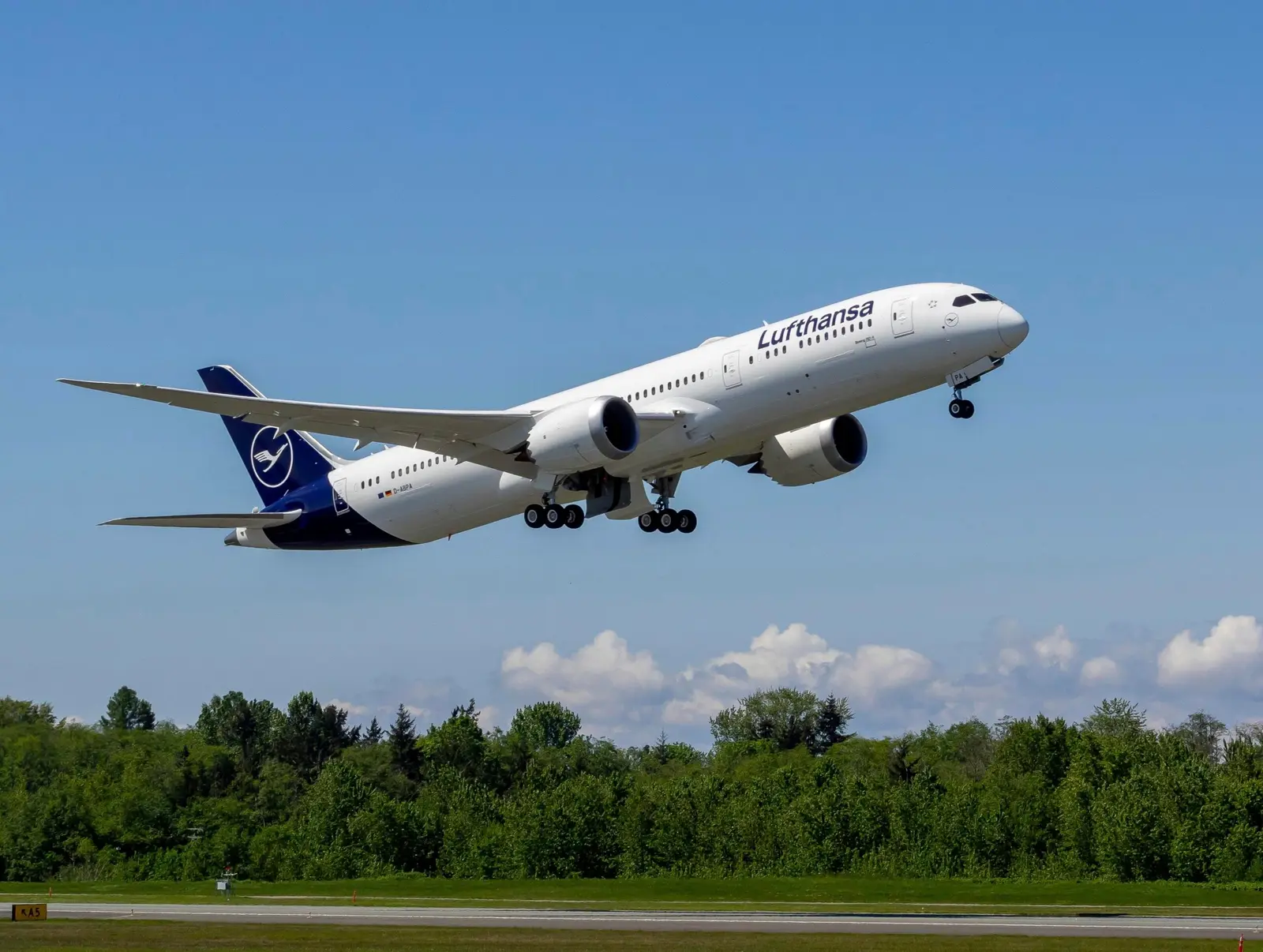 Lufthansa to Launch Columbus‑Frankfurt Direct Flights in 2027
The firm’s rise stems from mastering dynamic packaging – the practice of bundling flights, hotels and extras in real time – rather than inventing it. By scaling the technology and negotiating deep supplier discounts, Loveholidays can offer low‑priced, customizable trips that appeal to price‑sensitive British travellers. Its growth reflects a broader shift toward online self‑service booking, where consumers expect instant price comparison and instant confirmation.
Loveholidays invested heavily in data analytics and automated pricing engines, allowing it to adjust offers minute by minute. The company’s platform pulls inventory from dozens of airlines and thousands of hotels, then recombines them into millions of possible itineraries. This breadth gives it leverage in negotiations, securing bulk rates that smaller rivals cannot match.
Will Loveholidays Remain a British‑Only Phenomenon?
Industry observers note that the firm’s „quiet” expansion avoids flashy marketing, relying instead on search‑engine visibility and affiliate partnerships. The result is a steady stream of bookings that has propelled revenue to multi‑billion‑pound levels without the brand‑recognition of larger competitors like Expedia or Booking.com.
The question of international expansion looms large. While the company’s model works well in a market accustomed to packaged holidays, replicating it abroad would require new supplier contracts and localized pricing rules. Analysts suggest that Loveholidays could test the waters in other English‑speaking markets, but cultural differences in travel planning may limit rapid growth.
If the firm chooses to stay domestic, it may deepen its focus on niche segments such as eco‑tourism or luxury stays, using its data‑driven engine to tailor offers. Either path will hinge on maintaining the thin margins that have defined its success so far.
Looking ahead, Loveholidays’ ability to keep costs low while delivering instant, transparent pricing could pressure larger travel aggregators to improve their own dynamic packaging tools. The company’s quiet ascent demonstrates that scale and technology can revive an old concept, turning it into a formidable market player.
Frequently Asked Questions
What is dynamic packaging? Dynamic packaging combines flights, accommodation and extras into a single, customizable product at the moment of booking, allowing travelers to see real‑time prices for each component.
How does Loveholidays keep prices lower than rivals? By aggregating large volumes of inventory, the firm negotiates bulk discounts with airlines and hotels, then passes the savings to customers through automated pricing algorithms.
Is Loveholidays planning to expand beyond the UK? The company has not announced concrete overseas plans, but analysts see potential for limited pilots in other English‑speaking markets, contingent on supplier agreements and local demand.
Content written by Rafat Ali for travel-good.com editorial team, AI-assisted.