Luxury Hotels Seek a New Kind of Guest
The Problem with Singular Focus
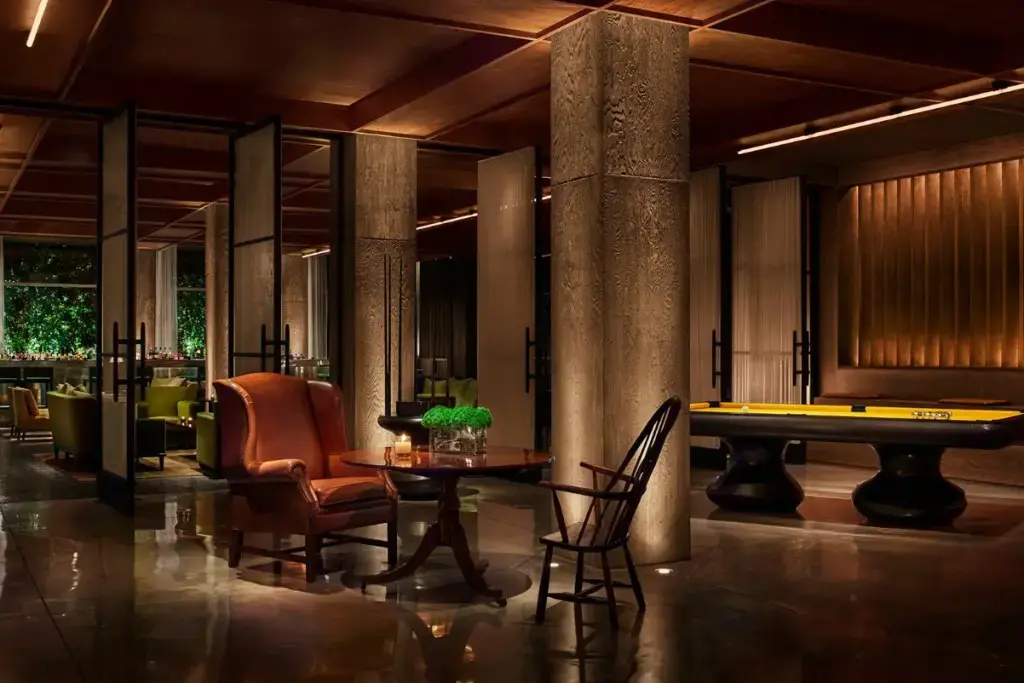
High-end hotels have focused intensely on attracting a single, specific type of wealthy traveler. This strategy, pursued for over ten years, is now creating challenges for the industry. The pursuit of this „ideal” guest limits options and stifles innovation. It’s a shift impacting luxury hospitality worldwide.
Latest news
 Santa Ana Travel Guide: 10 Best Things to Do & 4-Day Itinerary
 Glorious American Getaways That Seem Like Far‑Off Lands
 Best Credit Cards for Rental Car Elite Status
 Where to Eat, Stay, and Play in Medellín, Colombia's Eternally Cool City
For years, luxury brands chased the ultra-high-net-worth individual. They believed catering exclusively to this demographic guaranteed profitability. Hotels invested heavily in amenities designed to appeal to this narrow segment. These included expansive suites, personalized service, and exclusive experiences. However, this approach overlooked a broader range of potential high-value customers.
The industry’s obsession with one guest profile has led to homogeneity. Hotels now largely offer the same experiences. This makes it difficult for any single property to stand out. Competition isn’t about better service, but about who can attract the same limited pool of wealthy individuals. It’s a race to the bottom in terms of genuine differentiation.
Is Exclusivity Still Desirable?
This narrow focus also ignores emerging luxury traveler segments. Affluent millennials and Gen Z prioritize experiences over possessions. They seek authenticity and connection, not just opulent surroundings. These groups represent significant growth potential. Hotels failing to adapt risk becoming irrelevant to these new consumers.
The concept of exclusivity itself is being re-evaluated. While once a key driver of luxury, it’s now seen by some as isolating. Many affluent travelers now desire social interaction and a sense of community. They want to connect with like-minded individuals while traveling. Hotels designed solely for privacy may miss this crucial element.
The industry needs to broaden its definition of luxury. It’s no longer solely about material possessions. It's about creating memorable experiences and fostering meaningful connections. Hotels must consider the social dimension of travel. They need to design spaces that encourage interaction and build community.
Frequently Asked Questions
The consequences of continued narrow focus could be significant. Hotels may face declining occupancy rates and reduced profitability. Innovation will stagnate, and the industry will become increasingly commoditized. A shift towards a more inclusive and diverse approach is essential for long-term success. The future of luxury hospitality depends on attracting a wider range of guests, not just one.
What is driving this change in luxury travel? Younger generations of affluent travelers prioritize experiences and connection over traditional status symbols. They seek authenticity and community, influencing the demand for different hotel offerings.
How can hotels adapt to attract a wider range of guests? Hotels should focus on creating social spaces and experiences. They need to offer diverse amenities and cater to a broader range of interests. This includes embracing technology and personalization.
Content written by Sophie Chen for travel-good.com editorial team, AI-assisted.