Montpelier, Vermont’s Quaint Capital Defies the Typical City Image
A Village‑Scale Capital: Streets, Shops, and the Statehouse
Montpelier, tucked in the Green Mountains of Vermont, is the nation’s smallest state capital, home to roughly 7,500 residents. The entire downtown can be traversed on foot in under twenty minutes, offering a blend of historic charm and modest government presence that feels more like a storybook village than a bustling metropolis.
Latest news
 Exploring the Untamed Beauty of Northern Louisiana
 Beyond the Capital: British Tourism Chiefs Target Indian Visitors
 19 Unique Things to Do in Cape May, NJ
 A Local Says to Visit These 29 Farms in Puerto Rico
Founded as the state seat in 1805, Montpelier grew around a modest courthouse and a handful of 19th‑century storefronts. Its compact layout reflects early New England planning, where civic buildings sit alongside independent shops, cafés, and a modest riverfront. The city’s limited traffic and pedestrian‑friendly streets are the result of deliberate zoning choices that prioritize walkability over expansive development, preserving a sense of community that larger capitals often lack.
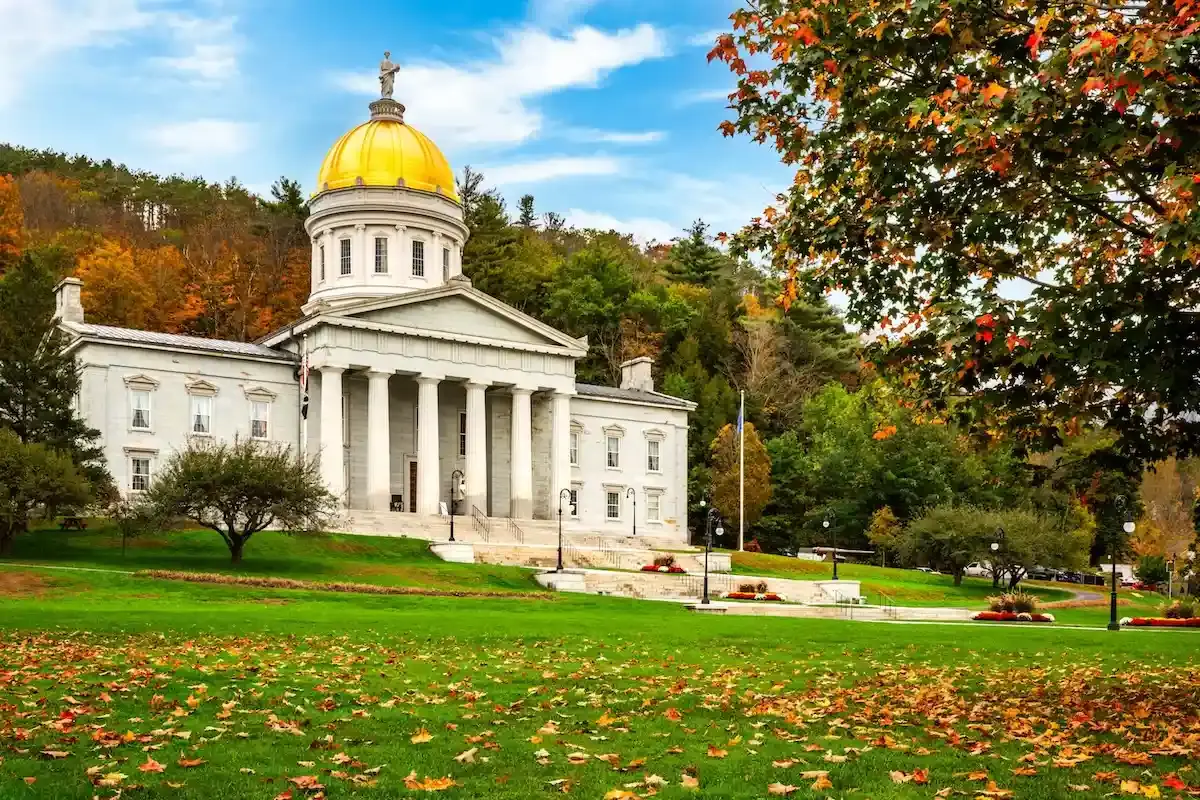
The centerpiece of Montpelier is the Vermont State House, a marble‑clad structure crowned with a gilded dome. Inside, legislators conduct business amid ornate interiors, while outside, locals mingle at farmer’s markets and seasonal festivals. „Living here feels like being part of a living museum,” says Mayor Anne Smith, who highlights the city’s commitment to preserving historic facades while supporting small businesses. Local eateries, such as the family‑run bakery on Main Street, serve as informal gathering spots, reinforcing the town‑like atmosphere. The city’s modest budget allocates funds to maintain sidewalks, street lamps, and public art, ensuring that the capital remains both functional and inviting.
How Does Montpelier Compare to Typical State Capitals?
Most state capitals boast populations in the hundreds of thousands, extensive public transit, and towering office complexes. By contrast, Montpelier’s population is less than one percent of the average capital’s size. Traffic congestion is rare, and the city’s carbon footprint per capita is among the lowest in the nation. Economic activity centers on tourism, government services, and a growing tech‑remote workforce attracted by the low cost of living and scenic surroundings. While larger capitals grapple with housing shortages, Montpelier’s modest growth has kept housing relatively affordable, though some residents voice concerns about limited job diversity.
Looking ahead, Montpelier’s unique scale positions it as a model for sustainable governance and community‑focused urban design. Tourism agencies project a steady increase in visitors seeking „capital‑city charm,” which could boost local revenues without overwhelming infrastructure. City planners are exploring modest expansion of broadband and coworking spaces to attract remote professionals, balancing growth with the preservation of the town’s historic character.
Frequently Asked Questions
What is the population of Montpelier? Montpelier’s resident count hovers around 7,500, making it the smallest state capital by population in the United States.
How far is the statehouse from the city center? The Vermont State House sits within a few blocks of the downtown core, reachable on foot in under five minutes from most city locations.
Is public transportation available in Montpelier? While the city lacks a large transit system, it offers limited bus routes and extensive bike lanes, reflecting its emphasis on walkability and low‑impact mobility.
Content written by Marco Ricci for travel-good.com editorial team, AI-assisted.