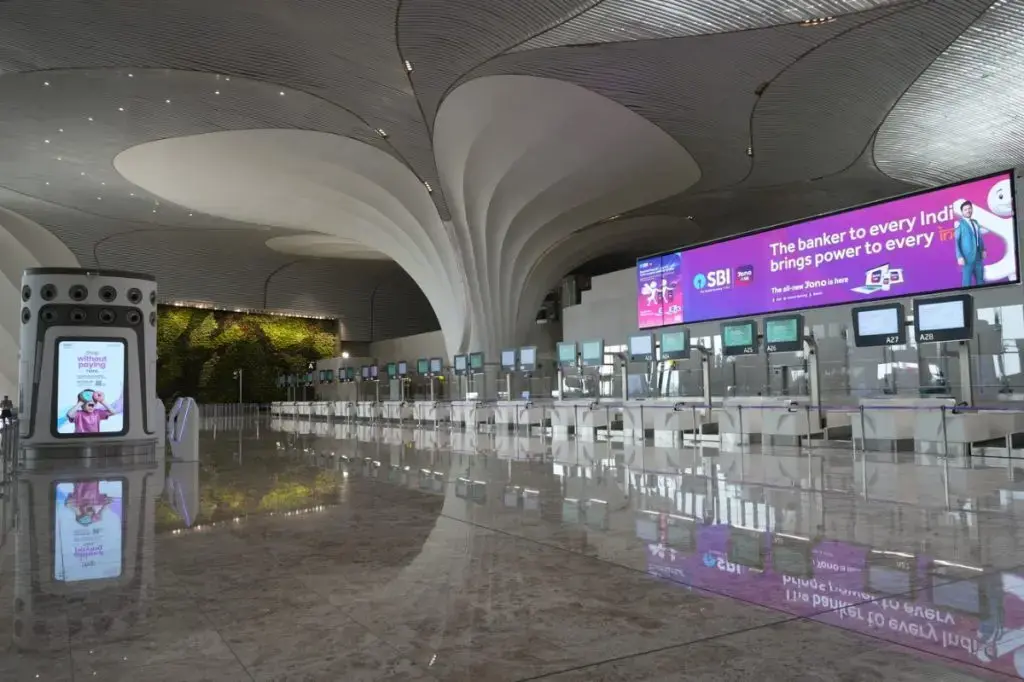
Mumbai Airport to Shift One‑Third of Terminal 2 International Flights to Navi Mumbai, Airlines Object
Why Move International Departures?
The Mumbai International Airport Authority announced on Monday that it will relocate 33 % of Terminal 2’s international departures to the newly opened Navi Mumbai Airport. The change is slated for implementation next year, with the aim of easing congestion at Mumbai’s busy hub and boosting the new airport’s traffic. Airlines, however, have expressed concerns about passenger inconvenience and additional costs.
Latest news
 Laguna Beach Unveils 25 Must‑Try Experiences for Visitors and Locals Alike
 Oman Proves Ideal For Independent Road Trips
 Five Unique Ways to Explore Paris with Tauck Travel Experiences
 Santa Ana Travel Guide: 10 Best Things to Do & 4-Day Itinerary
The move follows a comprehensive safety review that found Terminal 1’s design to meet international standards. The plan also aligns with the government’s strategy to distribute air traffic across the region, giving Navi Mumbai the traffic volume needed to justify its investment. The shift will affect airlines such as Air India, IndiGo, and SpiceJet, all of whom operate a significant share of Terminal 2’s international services.
Will Passengers Be Affected?
The decision is rooted in capacity constraints at Mumbai’s main terminal. Terminal 2 is already operating near its design limit, with peak‑hour passenger flows exceeding 1,200 per hour. By transferring a third of international flights to Navi Mumbai, the authorities expect a 20 % reduction in peak‑time congestion. The new airport, located 50 km south of Mumbai, offers a modern terminal with a larger apron and advanced security systems.
Airlines argue that the split will fragment their operations, forcing passengers to choose between airports for connecting flights. They also cite the lack of ground‑handling agreements at Navi Mumbai, which could lead to delays. In response, the airport authority has pledged to streamline customs and immigration processes at the new site and to provide shuttle services between the two airports.
How Will Connectivity Be Handled?
Passengers flying international routes from Terminal 2 will be notified of the change at least six months in advance. The airport will use digital signage and mobile alerts to guide travelers to the appropriate terminal. Airlines have suggested that the transition could be phased, moving flights gradually to minimize disruption.
The authorities have highlighted that Navi Mumbai’s proximity to the Mumbai‑Bangalore corridor makes it an attractive alternative for passengers heading to the south and east. They also argue that the new airport’s lower operating costs could translate into cheaper fares over time.
What About Airline Revenue?
Mumbai’s public transport network currently serves the main airport via the Metro Line 3 and suburban rail. The new airport will be linked by a dedicated metro extension and a dedicated bus rapid transit corridor. The government estimates that a 30‑minute commute will be achievable for most passengers.
The airport authority has committed to ensuring that baggage handling and security checks are synchronized between the two sites. A joint operations centre will monitor flight schedules and coordinate ground services to avoid bottlenecks.
Frequently Asked Questions
Airlines fear that the split could dilute their market share at Terminal 2, where they have established long‑term partnerships with hotels and ground‑handling firms. Some carriers have already requested a review of the timeline, arguing that a rushed transition could hurt their bottom line.
The airport authority counters that the move will ultimately benefit airlines by reducing turnaround times and lowering congestion‑related fees. They also point out that the new airport’s state‑of‑the‑art facilities could attract premium carriers, potentially increasing revenue streams.
Content written by Peden Doma Bhutia for travel-good.com editorial team, AI-assisted.