
New International Airport Tax Could Add $86 to U.S.-Bound Fares
Environmental Levies Target Long-Haul Transit
Travelers flying from a major international hub to the United States may soon face a significant price hike. Airport authorities are considering a new carbon-focused passenger levy that could increase ticket costs by as much as $86. This proposal specifically targets long-haul flights heading toward American destinations, impacting major carriers currently operating at the facility.
Latest news
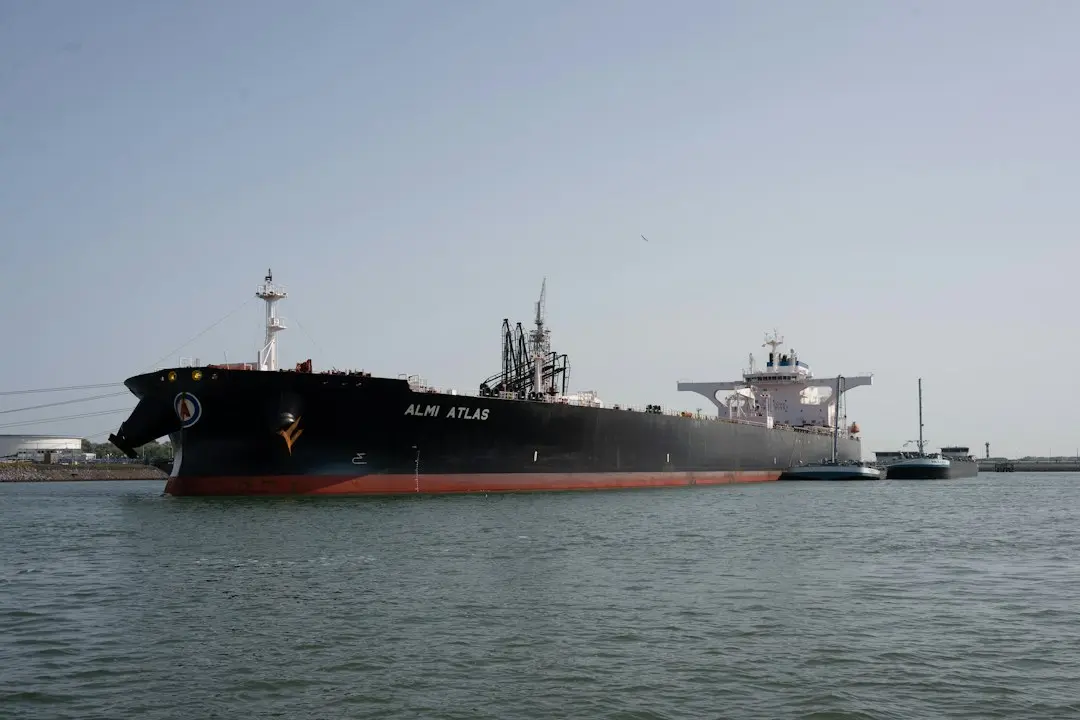 Atlas Ocean Voyages Lets Guests Choose Hull Color for New Sailing Yacht
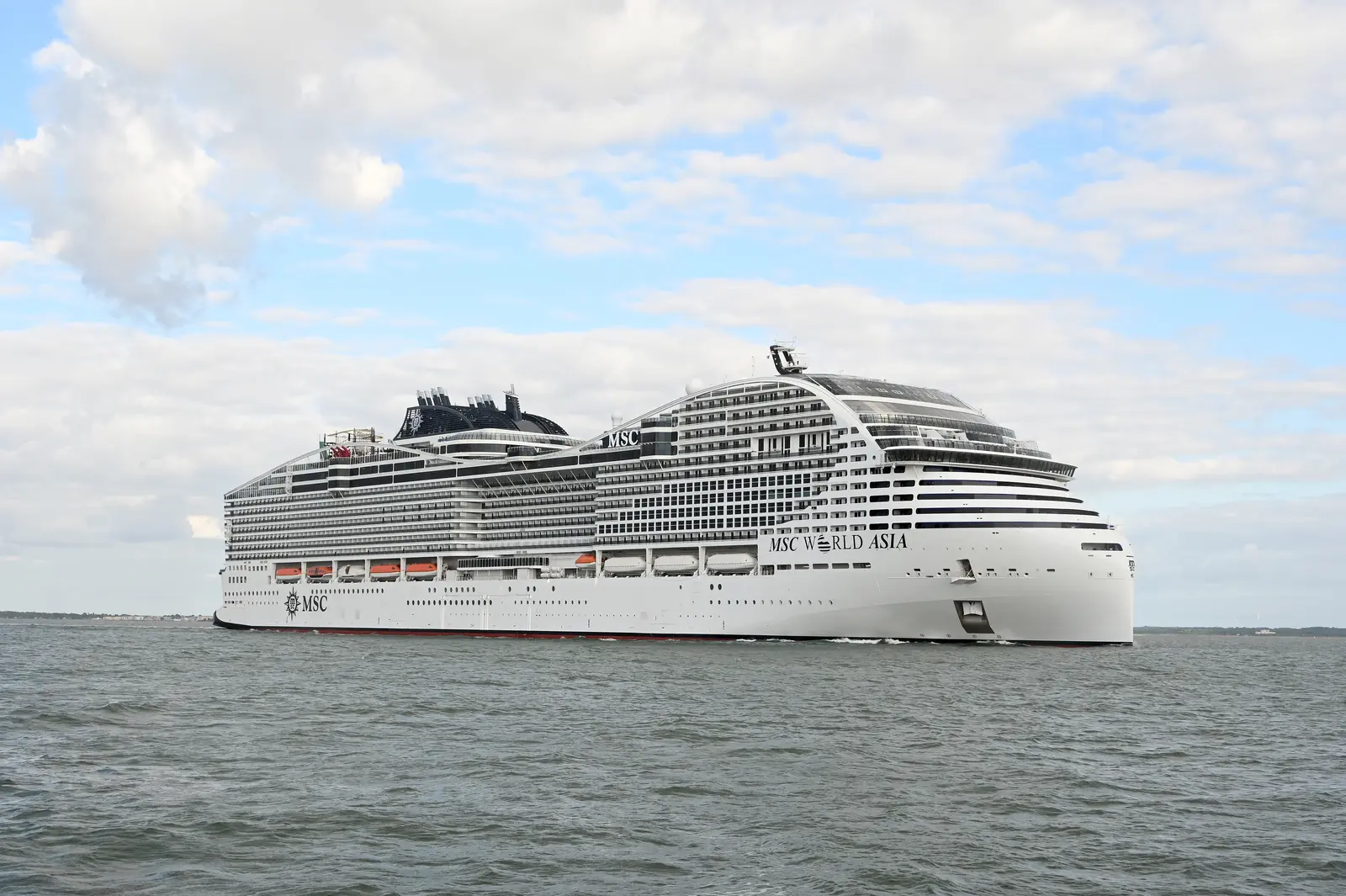 MSC World Asia Sets Sail as One of the World's Largest Cruise Ships
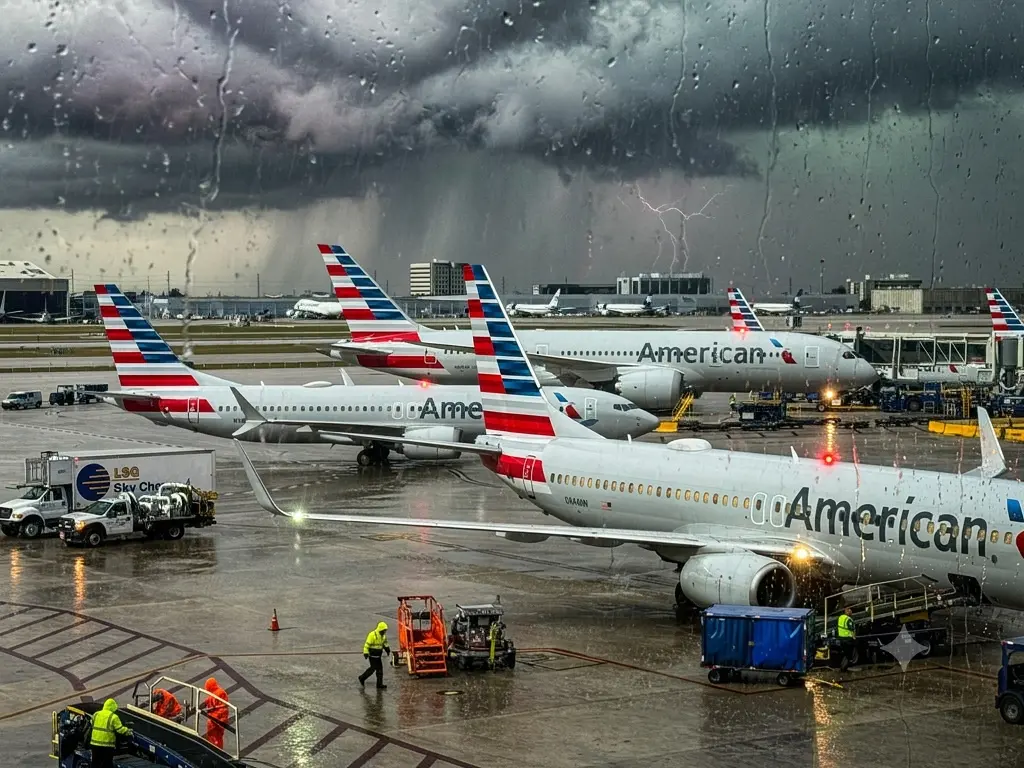 American Airlines Issues Travel Alert For Miami Airport Amid FAA Ground Stop Advisory
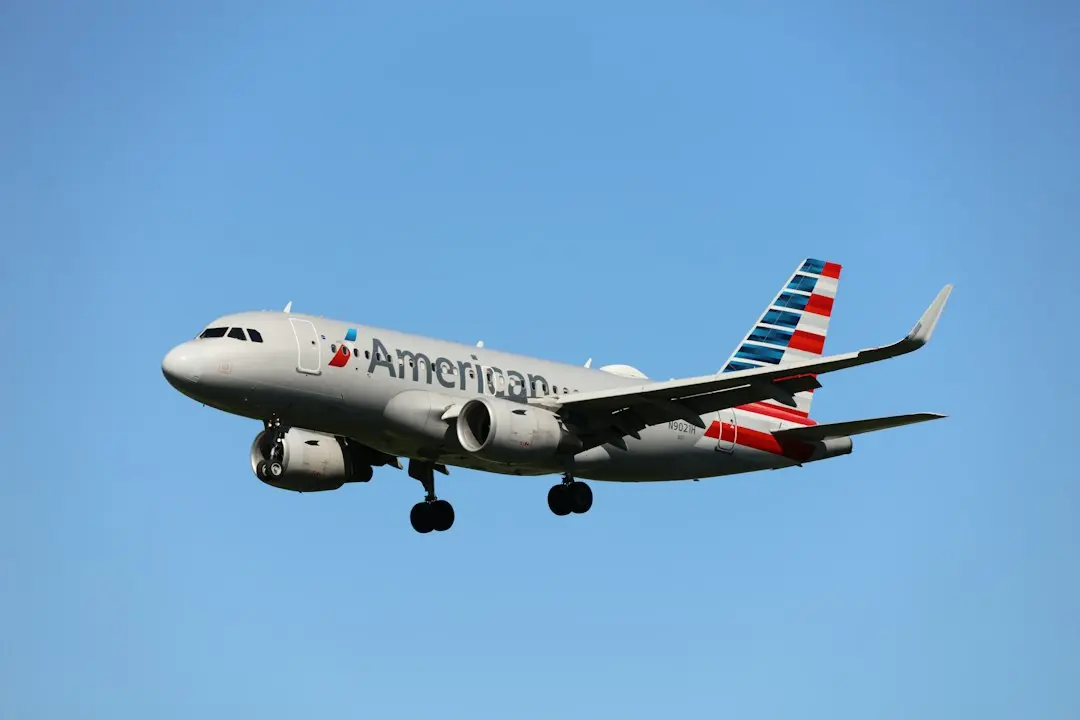 American Airlines Extends Rebooking Options Amid Thanksgiving Storms
The proposed fee aims to offset the environmental footprint of international aviation. While the exact implementation date remains under review, the policy is designed to align airport operations with stricter carbon emission standards. Currently, Delta Air Lines and United Airlines are the primary U. S. carriers serving this route, making their passengers the most immediate targets for the additional costs.
The airport’s decision to implement this surcharge reflects a growing global trend of taxing air travel to fund sustainability initiatives. By placing a financial burden on carbon-intensive routes, officials hope to incentivize greener flight practices. This move is expected to reshape how airlines price their transatlantic and transpacific tickets departing from this hub.
Will Higher Fares Deter International Travel?
American Airlines, which currently does not serve this airport, has announced plans to resume operations there in 2027. Once they return, their passengers will also be subject to the same carbon tax structure. This suggests that the airport intends to maintain this policy as a long-term fixture for all international traffic heading to the United States.
Industry analysts are monitoring whether this substantial fee will lead to a decrease in passenger demand. An $86 increase per person could significantly impact families and cost-conscious travelers choosing between different international gateways. If demand drops, airlines may be forced to reconsider their flight frequencies or shift capacity to airports without such levies.
The aviation industry continues to grapple with the tension between environmental goals and passenger affordability. As this policy moves toward final approval, travelers should prepare for higher base fares on routes originating from this specific hub. Whether other international airports adopt similar models remains a key concern for global airlines and their customers.
Frequently Asked Questions
Which airlines are currently affected by this new policy? Delta Air Lines and United Airlines are the primary carriers currently serving this hub and would be affected by the tax. American Airlines will also be subject to the fee when they resume operations at the airport in 2027.
What is the primary reason for this additional passenger fee? The airport is introducing the charge to address carbon emissions associated with international flights. The funds are intended to support environmental sustainability efforts related to aviation operations.
How much will the average traveler pay in extra fees? The proposed tax could add up to $86 to the price of a ticket for flights bound for the United States. This cost is intended to be applied to all passengers on qualifying international routes.