
New U.S. Border Rules May Block Canadian Rail and Bus Travelers
Pre-Departure Screening Protocols
U. S. Customs and Border Protection is developing strict new protocols for cross-border transit. The agency intends to deny boarding to rail passengers before they depart Canadian stations if they fail to meet entry requirements. This shift aims to tighten security screening processes for travelers entering the United States from Canada.
Latest news
 FITUR 2027 Expansion Promises Record-Breaking Tourism Showcase
 Abu Dhabi Boosts Luxury Marine Tourism Through New Strategic Partnership
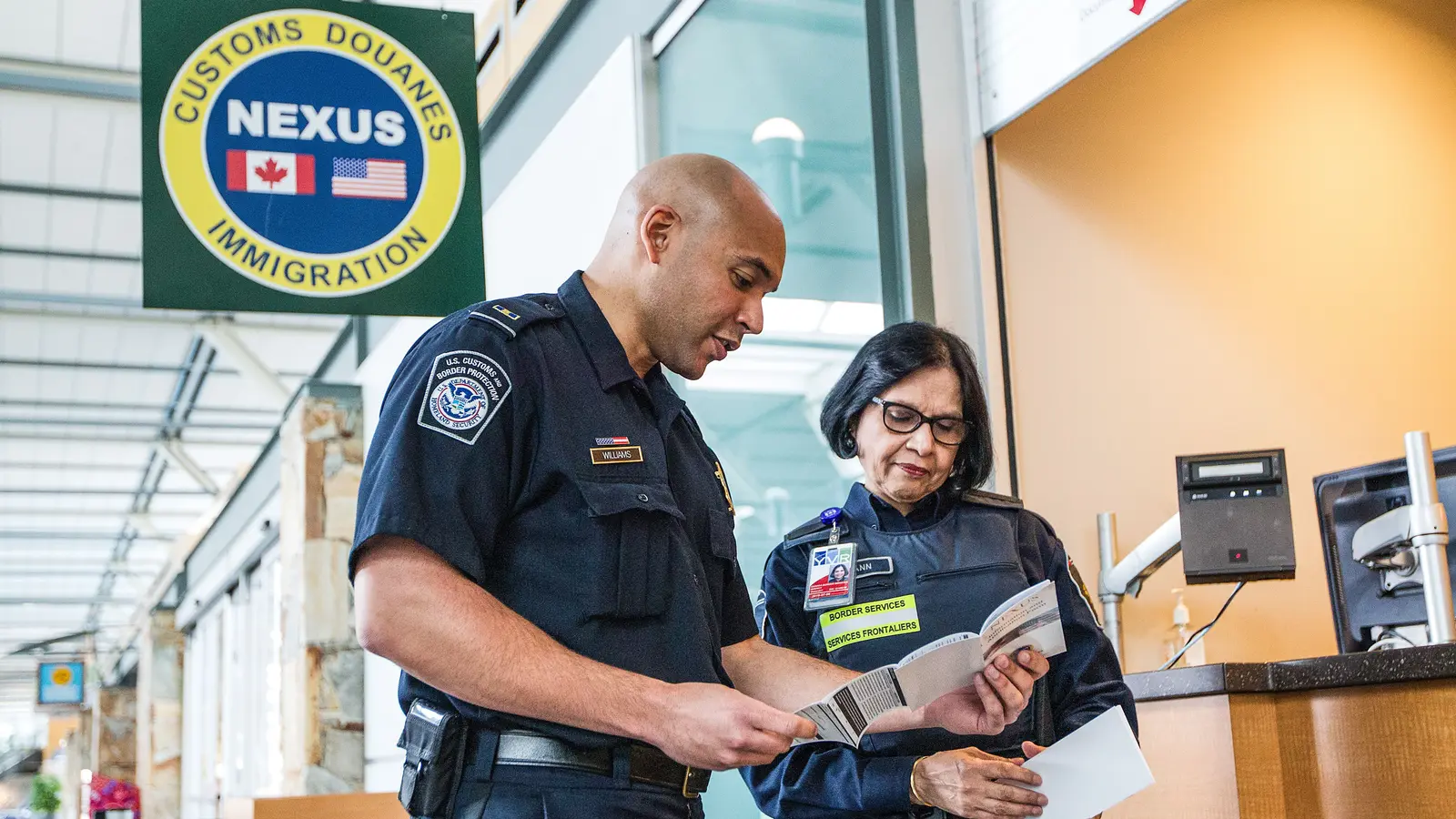 U.S. Border Directive Blocks Canadian Worker From Flight
 Vermont-Quebec Border Crossing Faces Extended Closure for Upgrades
The agency is also drafting plans to extend its regulatory oversight to include cross-border bus operators. These measures follow a recent Appeals Court ruling regarding the scope of officer authority at transit hubs. Officials argue these changes will streamline border operations and prevent ineligible passengers from reaching checkpoints.
The proposed rule changes represent a significant departure from current transit procedures. By shifting the verification process to the point of departure, officials hope to reduce congestion at physical border crossings. Travelers who do not possess valid documentation may be turned away by transit staff acting under federal guidance.
Will Transit Operators Face New Compliance Burdens?
This proactive approach ensures that only authorized individuals board international trains. The policy effectively moves the border control line into foreign territory. It creates a secondary layer of security that prevents logistical complications once a vessel reaches the actual international boundary.
The expansion of authority over bus lines suggests that private carriers will soon face stricter operational mandates. Companies may be required to share passenger manifests or verify travel documents before departure to maintain their cross-border permits. Failure to comply could lead to significant delays or the denial of transit privileges at the border.
Frequently Asked Questions
These regulations will likely alter the experience for thousands of daily commuters and tourists. While the agency frames the move as a security necessity, critics worry about the potential for increased travel friction. The final implementation of these rules remains subject to ongoing administrative review and legal scrutiny.
What happens if a passenger is denied boarding? Travelers who fail to meet the new documentation standards will be blocked from boarding their train or bus. They will be responsible for resolving their entry issues before attempting to travel again.
Does this apply to all cross-border travelers? The rules currently target rail and bus services specifically. The agency is focusing on these transit modes to enhance pre-arrival screening efficiency for large groups of passengers.