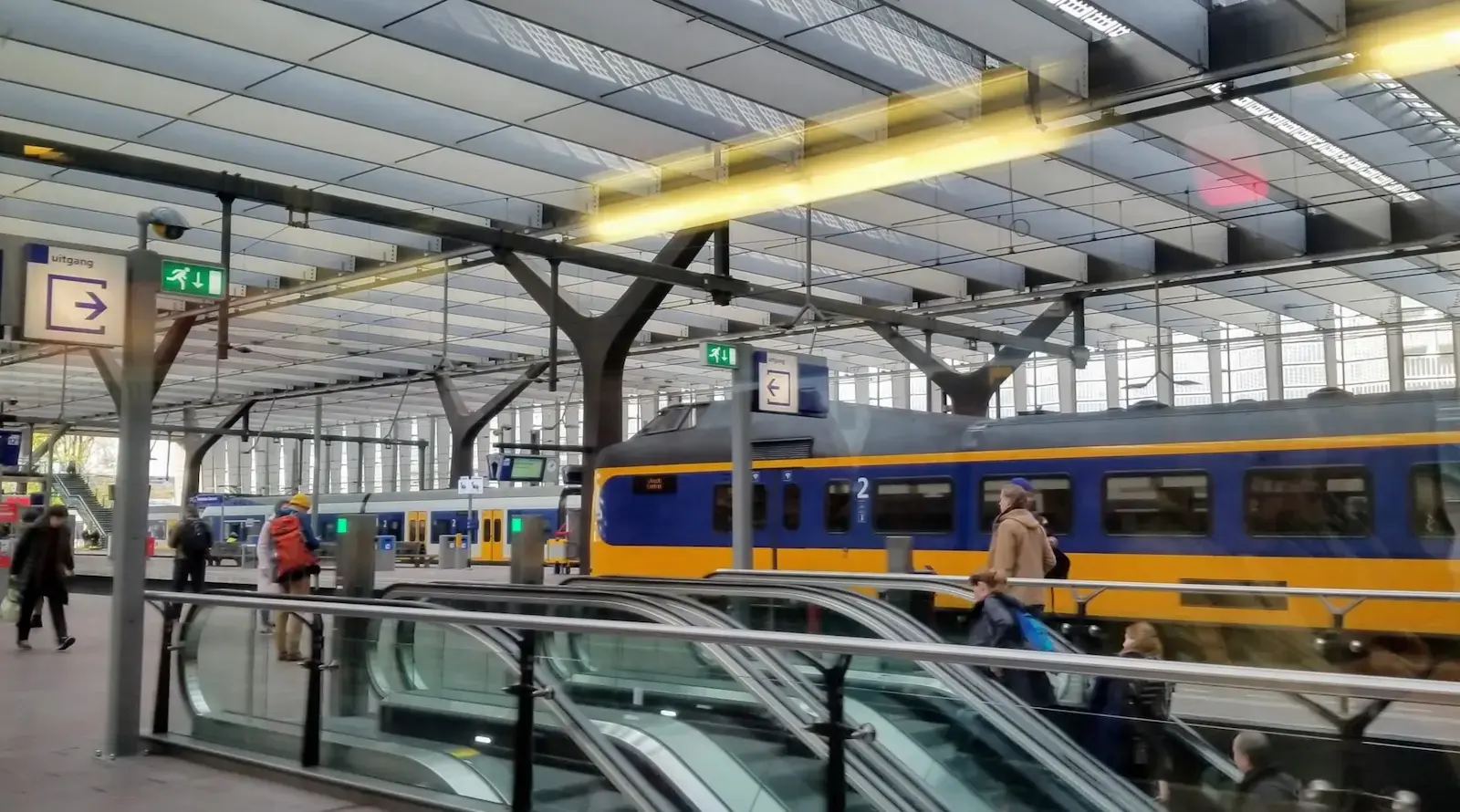
Rail Passengers Face Booking Issues Across Europe
The Fragmented Ticketing Landscape
New EU legislation aims to simplify train travel. However, current booking systems hinder convenient connections. Transport & Environment (T&E) released an analysis detailing these problems today. The report focuses on major European rail hubs and passenger experiences.
Latest news
 Phu Quoc: Vietnam’s Premier Tropical Island Escape
 Finding the Best Neighborhoods to Stay in Peru’s Coastal Capital
 Bomb Threat Diverts Tel Aviv Flight to Sofia
 Tracing Ancient Footsteps Through the Yucatán Wilderness
These outdated systems make it difficult to purchase tickets for journeys spanning multiple operators. Passengers often need to use several websites and apps. This complicates planning and increases the risk of missed connections. The proposed EU Single Ticketing package seeks to address these issues by integrating booking processes.
T&E’s analysis reveals a significant lack of interoperability. Different rail companies use incompatible booking platforms. This forces travelers to navigate a confusing web of websites. Purchasing a single ticket for an entire journey remains a challenge. The report highlights how this discourages rail travel, pushing people toward air travel instead.
Will Single Ticketing Truly Deliver?
Currently, passengers frequently encounter issues with seat reservations. Systems don’t always communicate effectively. This leads to double-booking or unavailable seats. The complexity also makes it hard to compare prices across different operators. A streamlined system would offer transparency and encourage more sustainable travel choices.
The EU’s proposed legislation could revolutionize rail travel. It aims to create a single digital platform for booking and managing journeys. This platform would integrate various national rail systems. Passengers would be able to easily search, book, and pay for trips across borders. However, successful implementation depends on cooperation between rail operators.
T&E emphasizes the need for open data standards. These standards will allow different systems to communicate seamlessly. Without them, the potential benefits of single ticketing will be limited. The organization also stresses the importance of user-friendly interfaces. A simple and intuitive platform is crucial for attracting passengers.
The consequences of inaction are clear. Continued fragmentation will stifle the growth of rail travel. This will hinder efforts to reduce carbon emissions from the transport sector. A successful single ticketing system could unlock the full potential of rail. It could offer a viable and attractive alternative to flying for many journeys.
Frequently Asked Questions
What are the biggest obstacles to seamless rail booking? Incompatible booking systems and a lack of data sharing between rail operators are major problems. These issues create a fragmented experience for passengers and make it difficult to plan complex journeys.
How will the EU legislation address these issues? The legislation proposes a unified digital platform. This platform will integrate national rail systems, allowing passengers to book and manage trips across borders with ease.
When can passengers expect to see improvements? Implementation will require cooperation between rail companies. It is expected to take several years before a fully integrated system is operational across Europe.
Content written by James Walker for travel-good.com editorial team, AI-assisted.