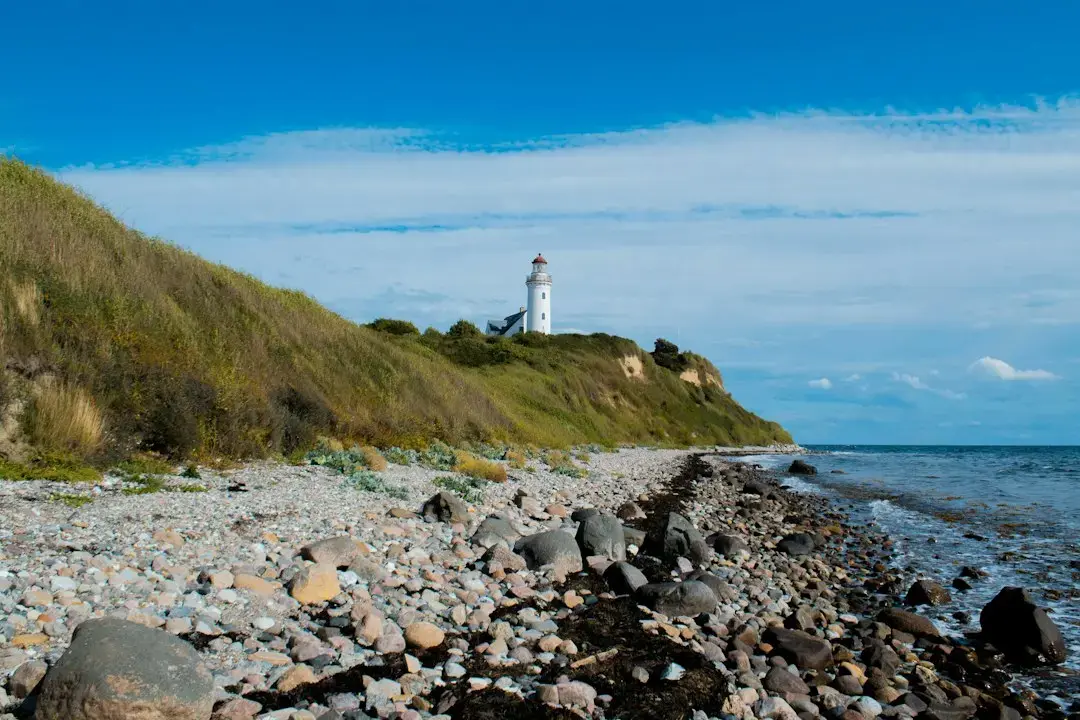
Samsø Island Achieves Carbon-Negative Status Through Renewable Energy Shift
How Community Ownership Drove the Energy Revolution
On the Danish island of Samsø, residents have transformed their energy system to become carbon-negative in less than ten years. Located in the Kattegat Sea, the island now generates all its electricity from wind, solar, and biomass, eliminating fossil fuel dependence entirely. This milestone makes Samsø the world’s first territory to achieve such a transition, drawing global attention as a model for rural sustainability. Local farmers, fishermen, and cooperatives led the effort, investing in community-owned turbines and retrofitting homes with efficient heating. The shift began in 1997 after winning a government renewable energy competition, setting the stage for rapid decarbonization.
Latest news
 Lufthansa to Launch Columbus‑Frankfurt Direct Flights in 2027
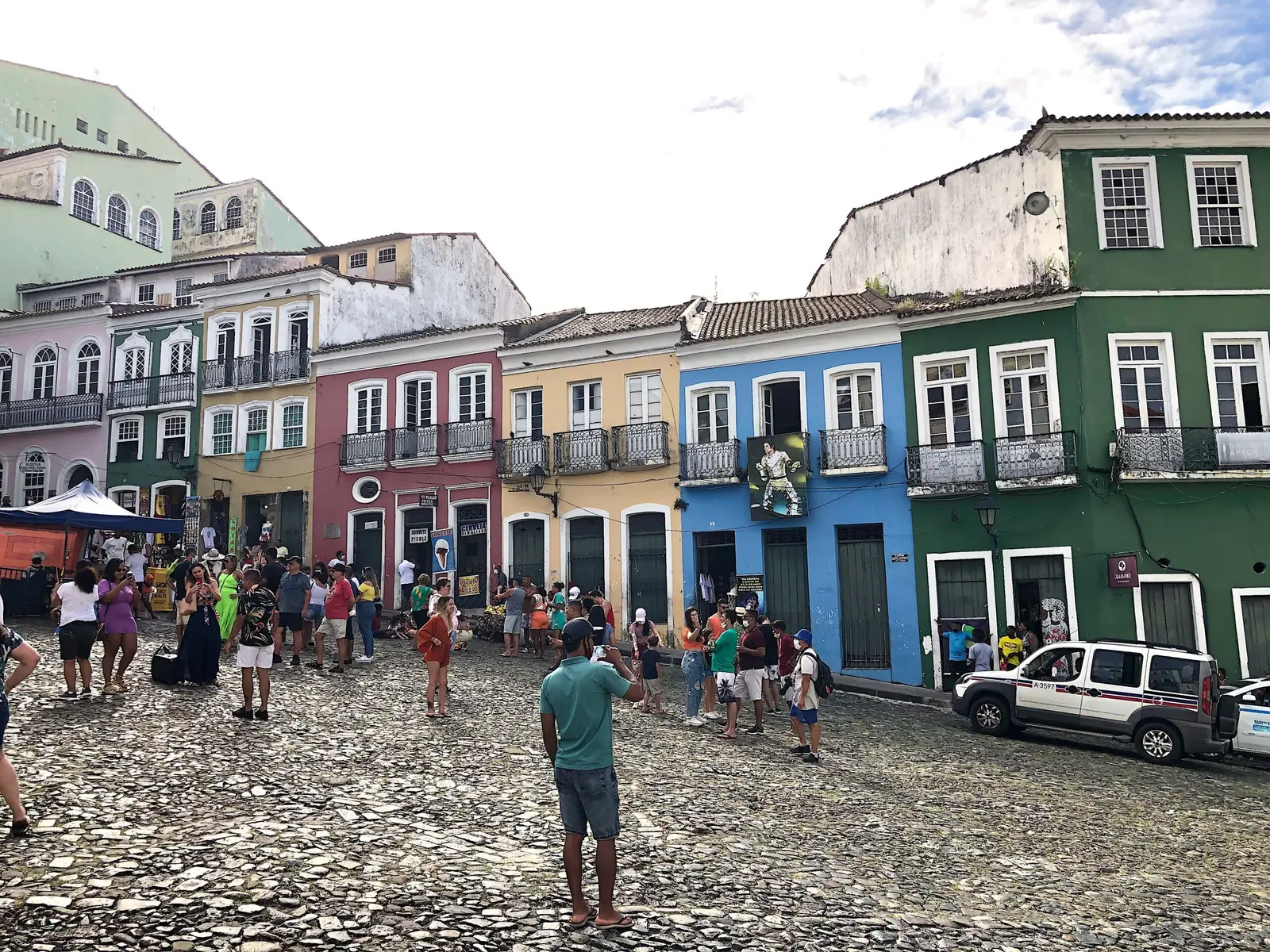 The Vibrant Pulse of Salvador: A City That Feels Like Home
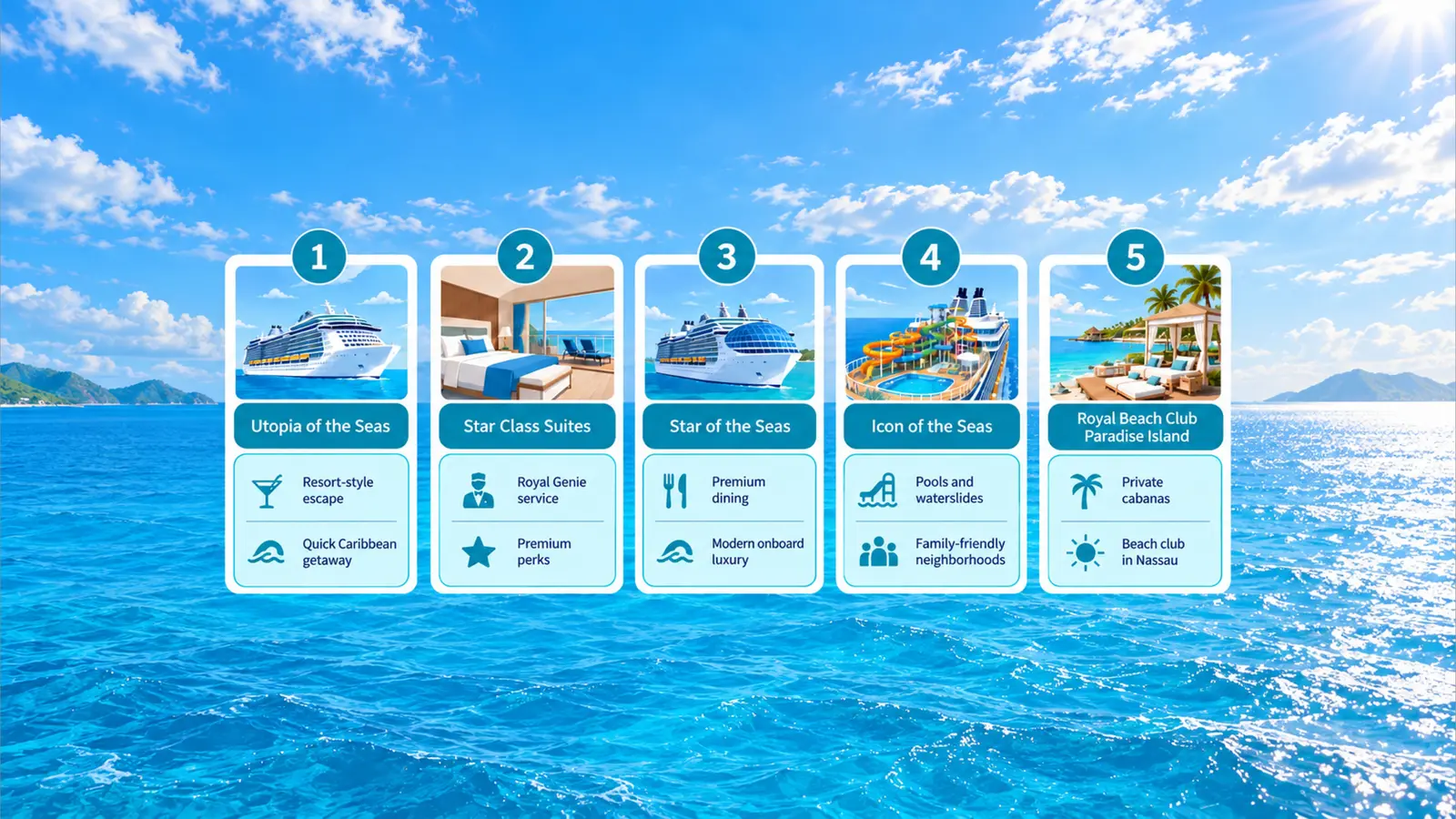 Royal Caribbean’s New $3 Billion Move Brings Sandals Resorts into Its Fleet
 Protests Shut Paris’s Louvre and Spark Global Travel Alerts
Samsø’s success hinged on local participation rather than top-down mandates. Over 80% of the island’s wind turbines are owned by farmers or cooperatives, giving residents direct financial stakes in clean energy. Straw-based heating plants now warm most homes, using agricultural waste that would otherwise be burned or left to rot. Energy efficiency upgrades cut household consumption by nearly half, while excess power is sold to the mainland grid. Former oil furnaces were replaced with heat pumps linked to district networks, slashing emissions. The island’s carbon footprint is now negative, meaning it removes more CO₂ than it emits, largely due to sequestration in soils and forests managed sustainably by locals.
Could Artificial Reefs Restore What Stone-Fishing Damaged?
To heal marine ecosystems harmed by decades of destructive stone-fishing, Samsø residents are constructing an artificial reef off its southern coast. Stone-fishing, which involved dragging heavy rocks to clear seabeds for shellfish, devastated natural habitats and reduced fish populations. The new reef, made from recycled concrete and local granite, aims to provide shelter for juvenile cod, lobsters, and seaweed forests. Marine biologists from Aarhus University are monitoring biodiversity recovery, with early signs of increased mussel and crab settlement. Fishermen hope the reef will revive traditional catches and support eco-tourism, creating jobs tied to ocean health rather than extraction.
How did Samsø afford its renewable energy transition? Funding came from a mix of EU grants, low-interest green loans, and private investments by residents, who pooled resources to buy shares in wind farms and heating plants. Revenue from energy sales now flows back into the community.
Frequently Asked Questions
What makes the new reef different from past conservation efforts? Unlike temporary measures, this reef is designed as a permanent habitat using durable, non-toxic materials, with long-term ecological monitoring built into the project from the start.
Can other islands replicate Samsø’s model? Yes, but success depends on strong local engagement, access to renewable resources, and supportive policies—Samsø’s scale and unity made it feasible, though adaptations are needed elsewhere.
Content written by Sarah Rodrigues for travel-good.com editorial team, AI-assisted.