Ship Swaps and Missed Stops: River Cruise Lines Battle Low Water Levels
Rerouting Strategies: How Lines Keep Passengers on Board
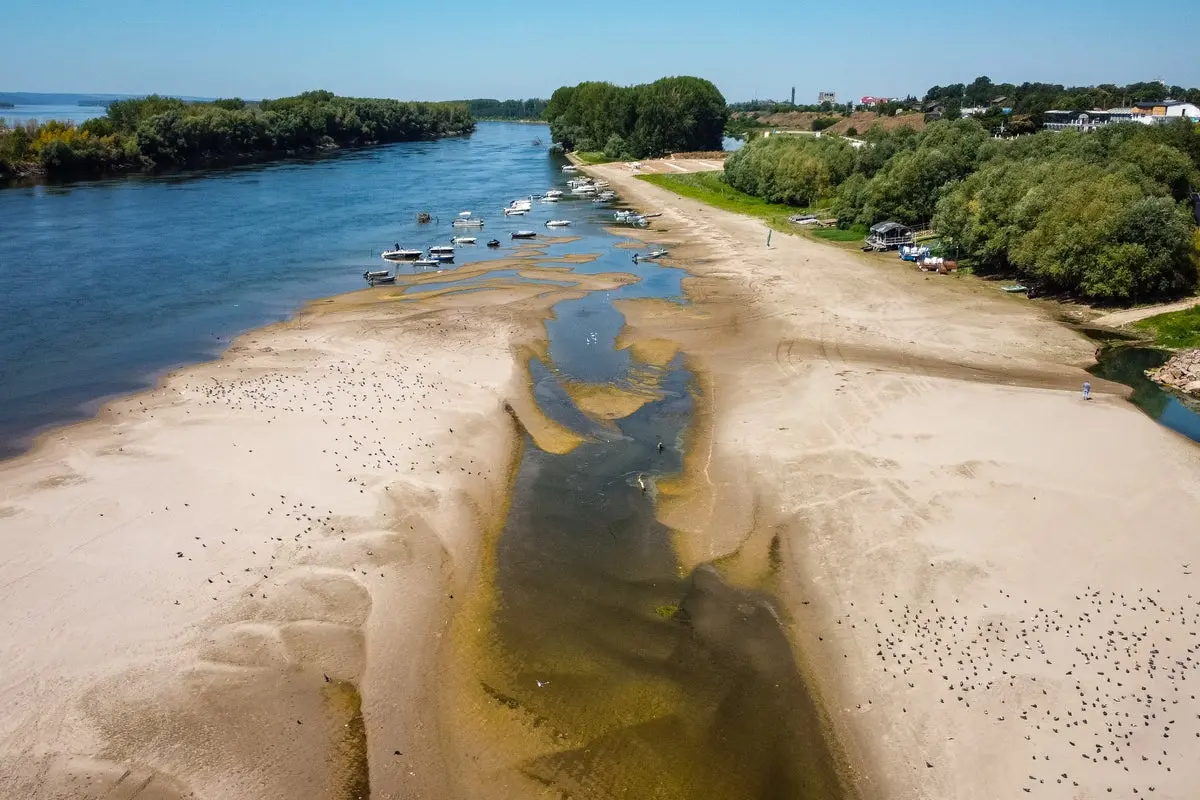
A drought‑hit summer has left river cruise operators scrambling to keep itineraries afloat. In many European rivers, water levels have fallen below safe navigation thresholds, forcing vessels to alter routes or skip ports entirely. Passengers who booked cruises on the Danube, Rhine, and other major waterways are now experiencing delays, rerouted stops, and in some cases, cancellations.
Latest news
 Phu Quoc: Vietnam’s Premier Tropical Island Escape
 Finding the Best Neighborhoods to Stay in Peru’s Coastal Capital
 Bomb Threat Diverts Tel Aviv Flight to Sofia
 Tracing Ancient Footsteps Through the Yucatán Wilderness
The problem began in early June when a prolonged heatwave pushed temperatures above 40 °C across central Europe. Drought conditions reduced river flow, and by mid‑summer, several key ports on the Danube were inaccessible. Cruise lines responded by swapping ships between itineraries, rerouting vessels to alternative destinations, and in some cases, offering refunds or rescheduling. The disruptions have highlighted the vulnerability of river cruising to climate‑induced water shortages.
When a port becomes unreachable, operators must decide whether to divert a ship to a nearby city or cancel the stop altogether. Many cruise companies have developed contingency plans that involve swapping vessels between overlapping itineraries. For example, a ship scheduled to visit Vienna may be redirected to Bratislava if the water level in the Danube near Vienna is too low. This strategy allows the cruise line to maintain a full schedule, though passengers may miss planned activities in the original port.
Can River Cruises Survive Climate Stress? What Will the Future Hold?
Operators also use smaller, more agile vessels that can navigate shallower waters. Some companies have added new boats designed specifically for low‑water conditions, enabling them to keep a presence in key cities even when larger ships cannot. In addition, cruise lines have increased communication with passengers, providing real‑time updates via mobile apps and email. Passengers are encouraged to check their itinerary frequently and to be prepared for possible changes.
The question of long‑term viability for river cruising hinges on several factors. First, the frequency and severity of droughts are expected to rise with climate change, potentially leading to more frequent disruptions. Second, the cost of adapting infrastructure—such as building deeper channels or acquiring new vessels—may strain smaller operators. Third, passenger expectations for seamless travel experiences could pressure companies to invest heavily in contingency planning.
Industry experts suggest that a shift toward more flexible itineraries and partnerships with local tourism boards may help mitigate risks. By collaborating with cities to develop alternative attractions and transport options, cruise lines can offer passengers a richer experience even when a port is off‑limits. Additionally, investing in greener technologies, such as hybrid engines that reduce water consumption, could help maintain navigability during low‑flow periods.
Ultimately, the river cruise industry faces a choice: adapt to a changing climate or risk losing market share to more resilient competitors. The coming years will test the resilience of operators and the willingness of passengers to accept altered itineraries.
Frequently Asked Questions
What happens if a port is closed due to low water? Operators will either redirect the ship to the next available port or cancel the stop. Passengers receive notifications and may be offered alternative activities or a refund.
Can I still enjoy my cruise if the itinerary changes? Yes, many cruise lines provide alternative attractions or local tours in the new port, ensuring a memorable experience despite the change.
Will future cruises be more flexible? Industry trends point toward more adaptable itineraries and contingency plans, especially as climate variability increases. Passengers can expect better communication and options for alternative stops.
Content written by Marc Shoffman for travel-good.com editorial team, AI-assisted.