Sri Lanka Sets Sights on 3 Million Visitors, Emphasizes Spending Over Numbers
Targeting High‑Value Travelers, Not Just Headcounts
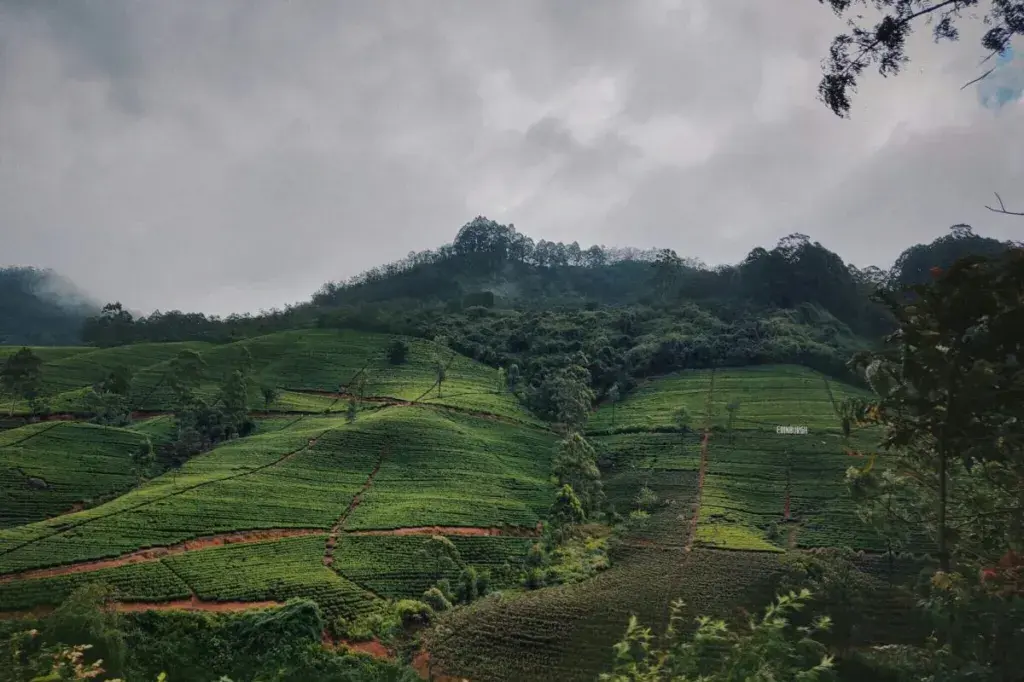
Sri Lanka’s tourism board announced at the Arabian Travel Mart in Dubai that it aims to attract three million international tourists within the next year. Officials say the focus has shifted from sheer visitor counts to how much each guest spends, hoping to boost revenue and support post‑pandemic recovery.
Latest news
 Gumbo reveals Louisiana's cultural fusion through its layered ingredients and cooking process
 The World's Top 'Cities to Watch' in 2026
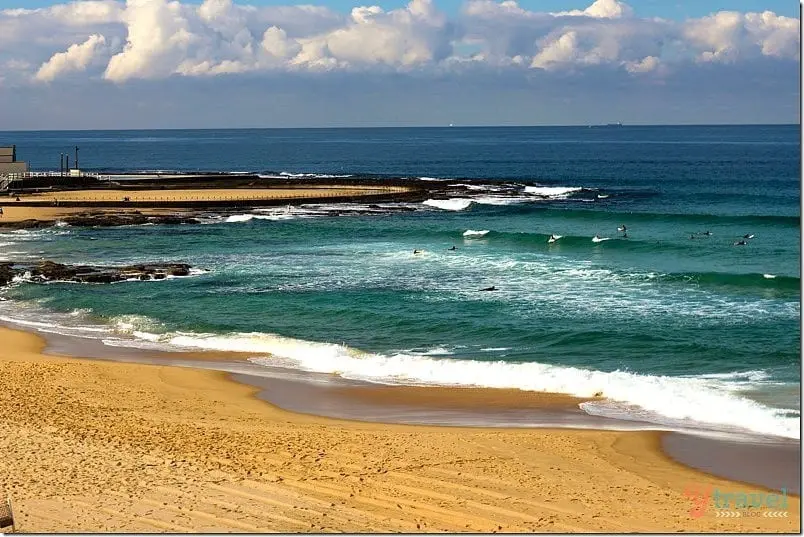 Newcastle NSW Offers Hidden Gems Beyond the Usual Tourist Spots
 What Timeshare Can Teach Hospitality About Experience-Led Loyalty
The island nation, once reliant on high tourist volumes, is now tailoring its strategy to encourage longer stays and higher‑value experiences. The government plans to promote luxury resorts, cultural tours, and eco‑adventures that command premium prices. By partnering with airlines, hotels, and local operators, it hopes to steer travelers toward higher‑spending activities such as wildlife safaris, heritage site visits, and upscale dining. The shift reflects concerns that low‑cost tourists generate limited economic benefit, while affluent visitors can spur job creation and infrastructure upgrades.
Tourism Minister Harsha de Silva explained that „the quality of tourism matters more than quantity.” He outlined incentives for hotels that achieve higher average daily rates and for tour operators offering curated experiences. New marketing campaigns will spotlight Sri Lanka’s UNESCO sites, tea‑plantation tours, and marine conservation projects, aiming to attract visitors willing to spend on unique, immersive packages.
Can the Island Balance Growth with Sustainability?
Data from the Sri Lanka Tourism Development Authority shows that average tourist spending fell to $1,200 in 2022, well below the regional average of $1,800. The government hopes to raise that figure to $1,800 by 2025. To achieve this, it is rolling out a „Spend More, Earn More” scheme, granting tax breaks to businesses that meet spending thresholds and offering training for staff to upsell premium services. Early pilots in Kandy and Galle have already reported a 15 % rise in per‑guest expenditure.
Critics warn that pushing for higher spending could marginalize budget travelers and strain fragile ecosystems. Environmental groups argue that increased demand for luxury resorts may lead to overdevelopment along coastlines and in protected areas. In response, the tourism ministry pledged stricter zoning laws and a commitment to „green tourism” certifications.
Local entrepreneurs see opportunities, noting that boutique hotels and community‑based tours can thrive under a high‑spend model. „We’re training guides to offer deeper cultural narratives, which tourists value and are willing to pay for,” said a tour operator from the cultural triangle. The government’s approach aims to distribute benefits across regions, reducing the traditional concentration of tourists in Colombo and the southern beaches.
If successful, the new strategy could lift tourism’s contribution to GDP from 5 % to nearly 8 % within three years, creating thousands of jobs in hospitality, transport, and ancillary services. However, the plan hinges on global travel confidence, stable exchange rates, and the island’s ability to maintain its natural attractions without overexploitation.
Frequently Asked Questions
What is Sri Lanka’s target for tourist arrivals in the next 12 months? The government aims to welcome three million international visitors by this time next year.
How does the new policy intend to increase tourist spending? By promoting premium experiences, offering tax incentives to high‑spending businesses, and training staff to market upscale services.
Will budget travelers still be welcome? Yes, but the focus will shift toward attracting visitors who opt for longer stays and higher‑value activities, while still maintaining affordable options in certain segments.
Content written by Peden Doma Bhutia for travel-good.com editorial team, AI-assisted.