The Decade That Shrank the World: Travel Milestones of the 1990s
Rail Revolutions and Political Openings
The 1990s redefined global mobility through rapid technological and political shifts. From the launch of high-speed rail links to the democratization of air travel, the decade bridged vast distances. Landmark events like Nelson Mandela’s presidency and the debut of the Eurostar fundamentally altered how people moved across borders and continents.
Latest news
 American Airlines turns 100 years of flight memories into 200,000-mile jackets
 Expedia Group Acquires Kiwi.com to Expand European Flight Sales
 Atlas Ocean Voyages Lets Guests Choose Hull Color for New Sailing Yacht
 MSC World Asia Sets Sail as One of the World's Largest Cruise Ships
During this era, aviation underwent a radical transformation. Virgin Atlantic introduced seatback televisions in 1991, turning long-haul flights into personal entertainment experiences. Simultaneously, the rise of budget airlines began to dismantle the exclusivity of air travel. These carriers made flying affordable for millions, effectively turning international trips into common occurrences rather than rare luxuries.
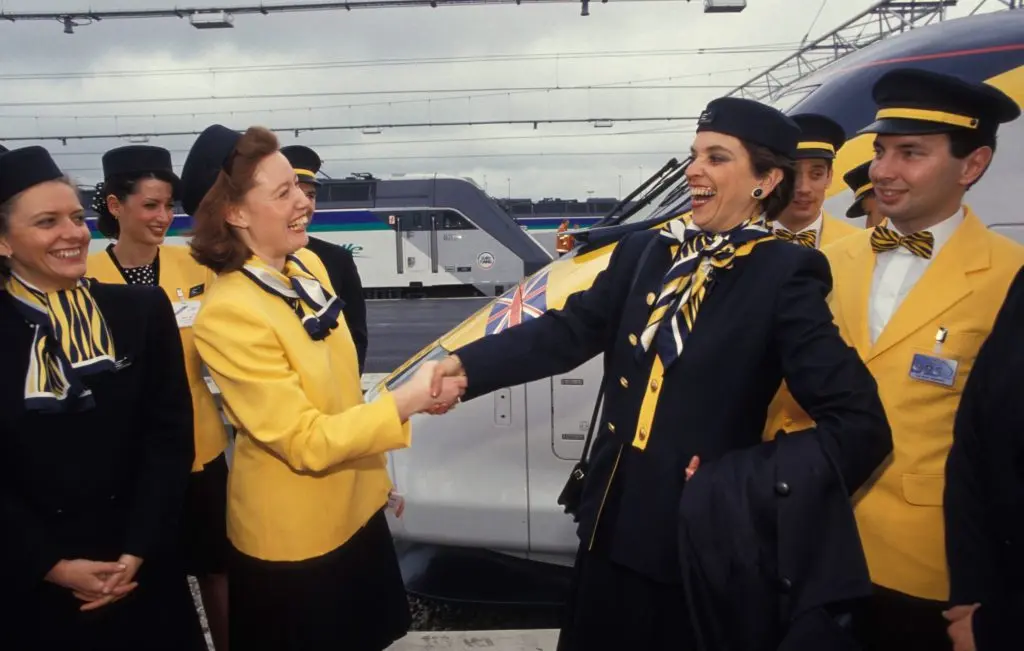
The 1994 launch of the Eurostar service marked a pivotal moment for European integration. By linking London, Paris, and Brussels via the Channel Tunnel, the rail line proved that high-speed trains could compete with short-haul flights. This connectivity fostered deeper economic and cultural ties across the continent, streamlining travel for millions of commuters and tourists.
Did the Nineties Invent Modern Tourism?
Beyond infrastructure, the decade saw a geopolitical thaw that opened new frontiers for global tourism. Following the end of apartheid, South Africa emerged as a major destination under Nelson Mandela. This political transition signaled a broader trend of previously restricted regions welcoming international visitors, expanding the map for travelers worldwide.
The innovations of the nineties established the blueprint for the contemporary travel industry. The combination of in-flight technology, high-speed rail networks, and the emergence of low-cost carriers created an expectation of seamless transit. These developments forced traditional airlines and rail operators to modernize their services to keep pace with changing consumer demands.
Today, the legacy of this decade remains visible in every airport terminal and train station. The rapid expansion of global routes and the focus on passenger comfort originated in this period of unprecedented connectivity. While travel continues to evolve, the foundational shifts of the nineties ensured that the world became a significantly smaller, more accessible place for everyone.
Frequently Asked Questions
What major rail milestone occurred in 1994? The Eurostar service launched, connecting London to Paris and Brussels through the Channel Tunnel. This project revolutionized European travel by providing a high-speed alternative to flying.
How did in-flight experiences change in 1991? Virgin Atlantic introduced personal seatback televisions for passengers. This innovation set a new standard for long-haul comfort and entertainment in the aviation industry.
Why was the 1990s significant for global tourism? The decade combined political shifts, such as the opening of South Africa, with the rise of affordable air travel. These factors collectively made international exploration more accessible to the general public.