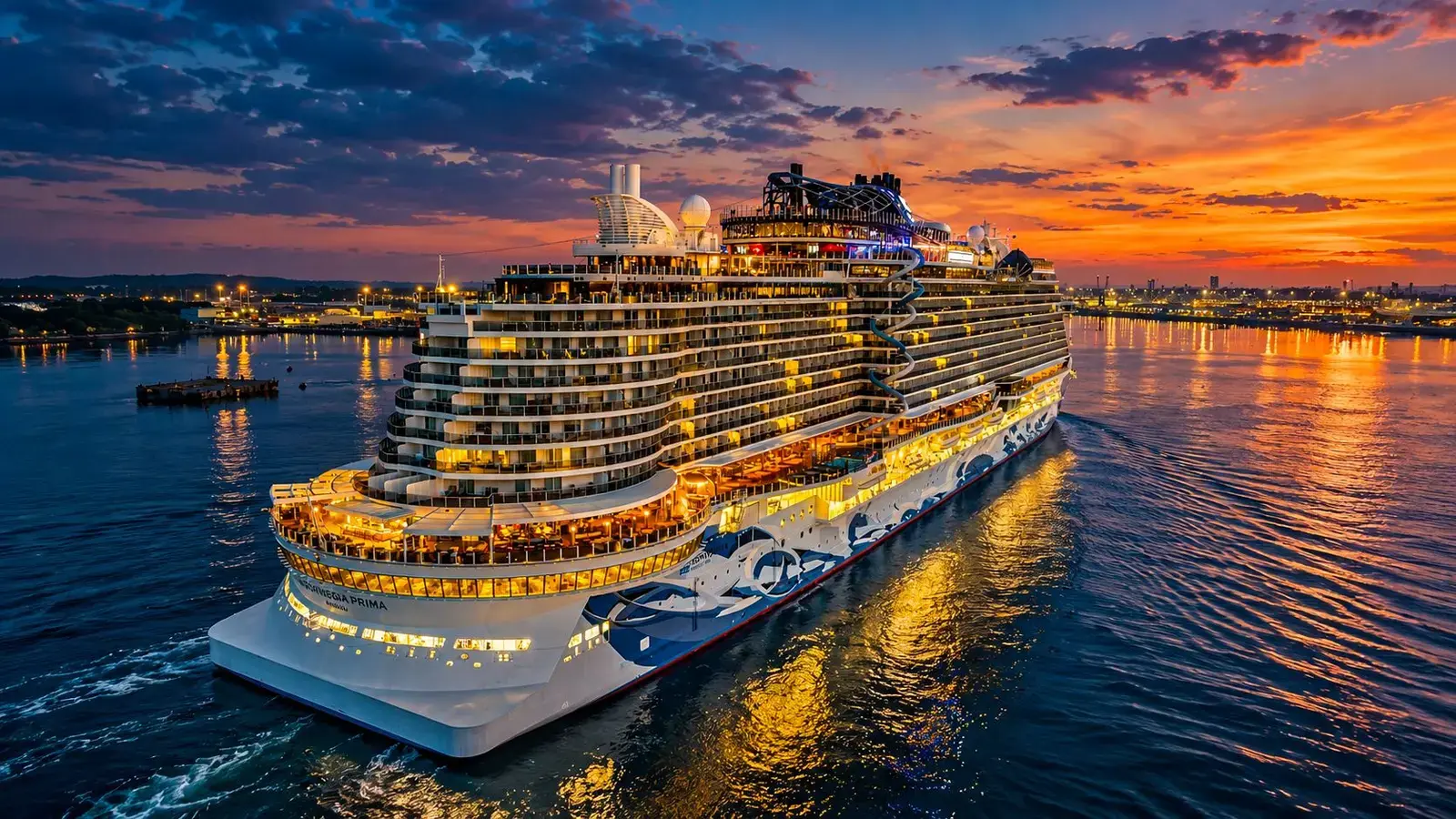
The Norwegian Cruise Line’s Free Dining Still Outshines $60 Specialty Fees
Why Free Dining Matters to Modern Travelers
Norwegian Cruise Line (NCL) is pushing its new Prima and Breakaway Plus vessels, offering guests a complimentary dining experience that rivals the premium specialty restaurants on other carriers. Launched in late 2025, the ships have already attracted a steady stream of travelers eager to enjoy high‑quality meals without the extra cost.
Latest news
 Santa Ana Travel Guide: 10 Best Things to Do & 4-Day Itinerary
 Glorious American Getaways That Seem Like Far‑Off Lands
 Best Credit Cards for Rental Car Elite Status
 Where to Eat, Stay, and Play in Medellín, Colombia's Eternally Cool City
NCL’s strategy centers on value. While most cruise lines charge $50 to $60 for specialty dining, the Prima and Breakaway Plus ships include a wide array of restaurants in the main fare. From Italian trattorias to sushi bars, guests can sample diverse cuisines without an additional fee. The company claims the move will increase bookings and improve customer satisfaction.
Can Free Dining Sustain Profit Margins?
The rise of „value‑oriented” cruising has shifted consumer expectations. Surveys show that 68% of cruise guests now prioritize inclusive dining over exclusive experiences. NCL’s new ships feature a rotating menu of global dishes, with chefs sourced from Italy, Japan, and Mexico. The onboard kitchens use fresh, locally sourced ingredients whenever possible, boosting the appeal of the free meals. The company’s chief culinary officer explained that „our goal is to deliver a world‑class menu that feels like a premium experience, but without the price tag.”
The ships also house a dedicated „Chef’s Table” area, where guests can watch chefs prepare dishes live. Although the table is free, it offers a behind‑the‑scenes look at the culinary process, adding a touch of exclusivity without extra cost. This approach aligns with the growing trend of experiential travel, where guests seek unique interactions rather than merely paying for a fancy meal.
Is the free‑dining model a sustainable strategy for NCL?
What Does This Mean for Future Cruise Lines?
NCL’s financial reports from the first quarter of 2026 show a 12% rise in revenue per available cabin. Analysts attribute the increase to higher occupancy rates on the new vessels, which now average 84% compared to 77% on older ships. The company’s marketing team notes that the free‑dining concept has attracted a broader demographic, including families and older travelers who are budget‑conscious.
However, some industry experts caution that the long‑term viability hinges on operational efficiency. „If the cost of providing high‑quality meals rises, the company will need to adjust its pricing or find new revenue streams,” said a former cruise analyst. NCL plans to offset costs by offering a limited number of specialty restaurants that charge a moderate fee, ensuring a balanced revenue mix.
The free‑dining approach also positions NCL against competitors such as Royal Caribbean and Carnival, which still rely heavily on specialty restaurant revenue. By reducing the need for guests to pay extra, NCL aims to create a competitive advantage that could drive market share growth in the coming years.
Frequently Asked Questions
The success of the Prima and Breakaway Plus ships could signal a shift in the industry. If other carriers adopt similar inclusive dining models, the traditional specialty‑restaurant revenue stream may shrink. NCL’s data suggests that guests who enjoy free meals are more likely to spend on shore excursions, spa services, and onboard merchandise, potentially compensating for lower dining revenues.
Looking ahead, NCL plans to launch a third vessel in 2027 that will feature even more diverse culinary options, including a vegan‑only restaurant and a farm‑to‑table concept. The company’s long‑term goal is to become the leading cruise line for value‑oriented travelers while maintaining profitability.
Content written by Justin Fenwick for travel-good.com editorial team, AI-assisted.