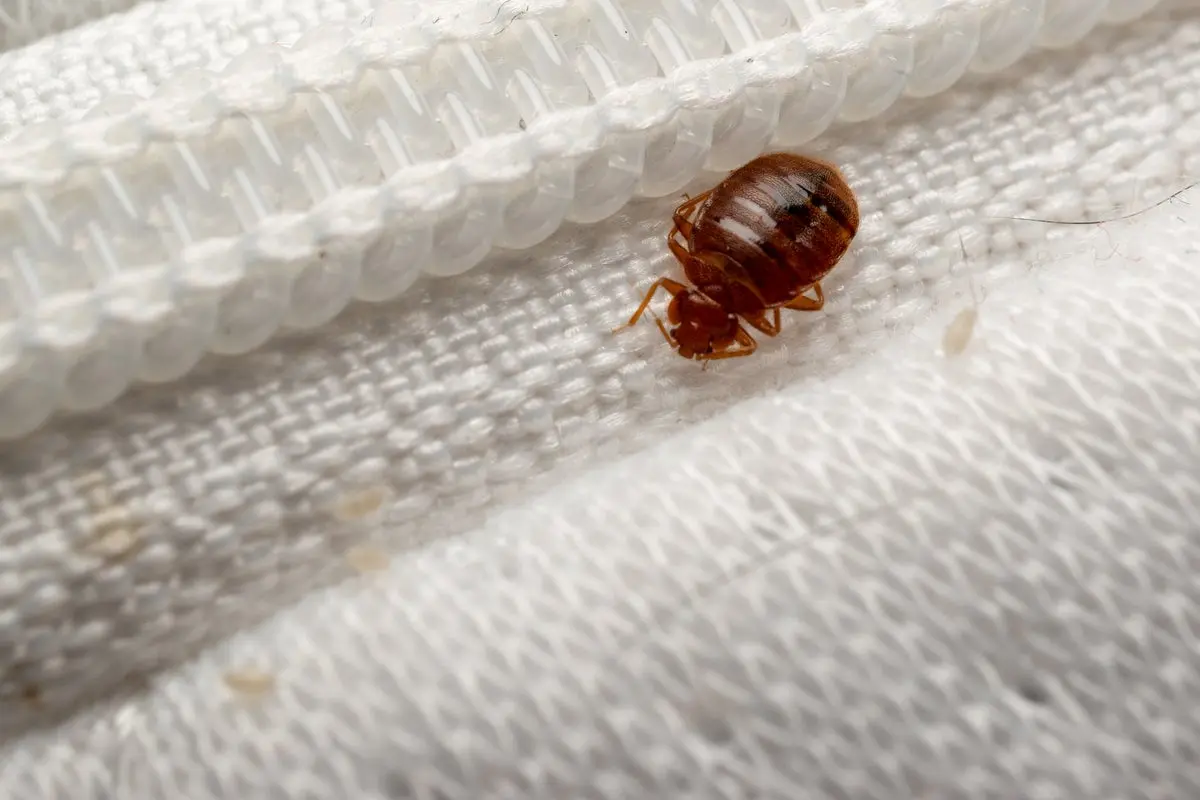
These are the signs you have bedbugs in your hotel room
How to spot bedbugs before they bite
As autumn travel picks up across Europe, rising concerns about bedbug infestations in transport hubs are prompting warnings for passengers. From UK trains to Italian rail networks, experts say the pests are increasingly hitching rides on clothing and luggage, seeking shelter in hotel mattresses and furniture. The seasonal surge in movement has created ideal conditions for bedbugs to spread unnoticed, turning journeys into potential pathways for infestation.
Latest news
 Phu Quoc: Vietnam’s Premier Tropical Island Escape
 Finding the Best Neighborhoods to Stay in Peru’s Coastal Capital
 Bomb Threat Diverts Tel Aviv Flight to Sofia
 Tracing Ancient Footsteps Through the Yucatán Wilderness
Bedbugs are small, nocturnal insects that feed on human blood and can survive for months without feeding. They thrive in warm, hidden spaces like mattress seams, bed frames, and skirting boards, often going undetected until bites appear. Travelers may unknowingly carry them from contaminated seats or luggage racks, especially in crowded or poorly maintained vehicles. Early signs include small red bites in clusters, dark spots on bedding, and a sweet, musty odor in the room.
What should you do if you find bedbugs?
Inspect the mattress corners, headboard, and nearby furniture for live bugs, shed skins, or tiny black droppings. Use a flashlight to check crevices and seams, especially after arriving at a hotel. If you suspect an infestation, notify staff immediately and request a room change—preferably on a different floor. Avoid placing luggage on the bed or floor; instead, use luggage racks kept away from walls.
Wash all clothing in hot water and dry on high heat to kill any bugs or eggs. Seal luggage in plastic bags until it can be treated, and consider steam cleaning or professional pest control for suitcases. Do not attempt to treat the room yourself with over-the-counter sprays, as this can scatter the bugs and worsen the problem. Prompt reporting helps prevent further spread to other guests and rooms.
Can bedbugs spread through airplane seats? Yes, bedbugs can cling to fabric seats and personal items on planes, especially during long flights with high passenger turnover.
Frequently Asked Questions
How long can bedbugs survive without feeding? Bedbugs can live for several months without a blood meal, making them resilient travelers in luggage or clothing.
Is it safe to stay in a room after bedbug treatment? Only after a professional confirms the infestation is fully eradicated, which may require multiple visits and follow-up inspections.
Content written by Natalie Wilson for travel-good.com editorial team, AI-assisted.