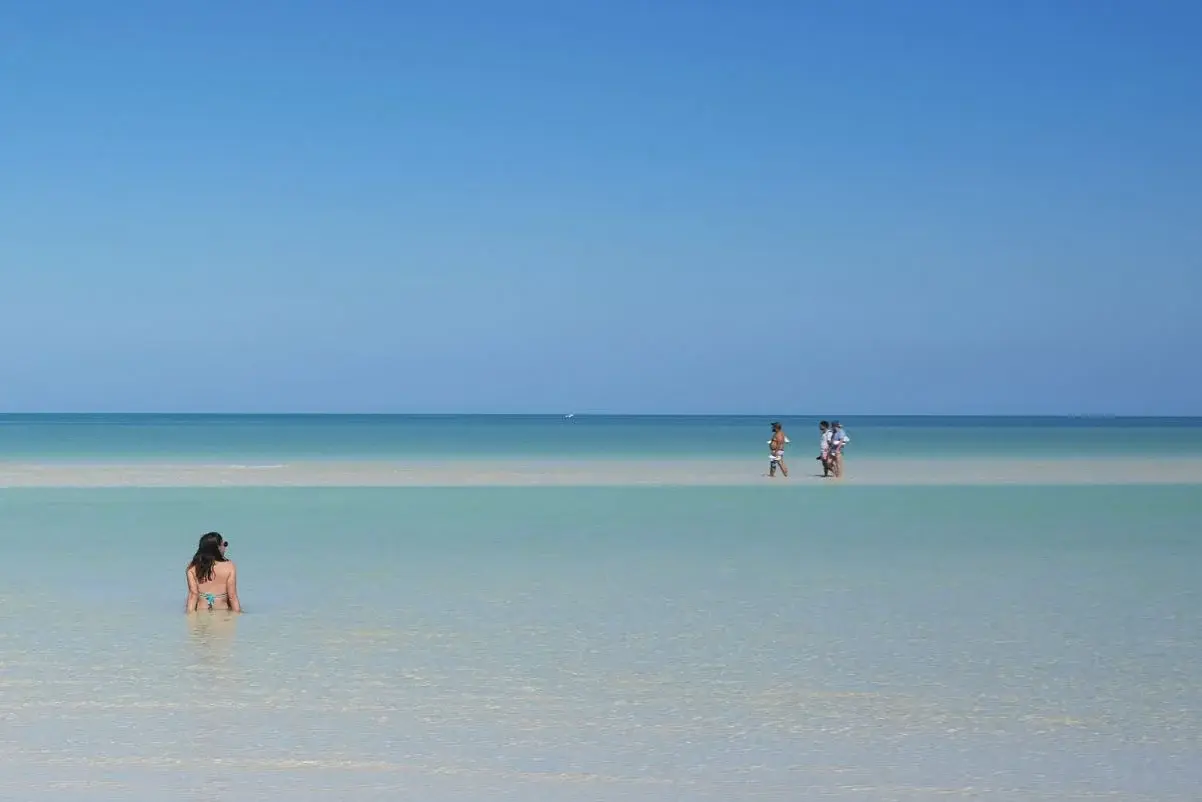
This Barefoot Island Near Cancun With No Cars Is One Of The World’s Fastest Growing Destinations For 2027
Why Holbox Stands Out in a Crowded Market
Holbox Island, located just off the northern coast of Mexico’s Yucatán Peninsula, is emerging as a top global travel hotspot projected to see explosive growth by 2027. Accessible only by ferry from the mainland, the island greets visitors with streets of soft white sand and an immediate sense of tranquility. Unlike the bustling resort zones of nearby Cancun and Playa del Carmen, Holbox offers a stark contrast—no cars, no high-rise hotels, and a pace of life dictated by tides and tourism seasons.
Latest news
 Exploring the Untamed Beauty of Northern Louisiana
 Beyond the Capital: British Tourism Chiefs Target Indian Visitors
 19 Unique Things to Do in Cape May, NJ
 A Local Says to Visit These 29 Farms in Puerto Rico
The island’s charm lies in its deliberate simplicity. Upon disembarking, travelers exchange the roar of traffic for the sound of waves and bicycle bells. There are no paved roads; instead, sandy pathways wind past colorful wooden homes, small cafes, and local art galleries. Golf carts and bicycles are the primary modes of transport, reinforcing the car-free ethos that defines the Holbox experience. This environment attracts those seeking authenticity over luxury, drawing eco-conscious travelers, birdwatchers, and those hoping to swim with whale sharks during seasonal migrations.
Can Holbox Handle the Projected Surge?
Holbox’s rise coincides with shifting travel preferences toward sustainable and immersive experiences. While mass tourism continues to dominate much of the Quintana Roo coastline, Holbox has maintained strict development limits to preserve its ecosystem. The island is part of the Yum Balam Biosphere Reserve, a protected area that shelters flamingos, sea turtles, and diverse marine life. Local authorities enforce building codes that restrict height and mandate traditional materials, ensuring new constructions blend with the landscape. These policies have helped Holbox avoid the overdevelopment seen in neighboring destinations, making it a rare example of controlled growth in a high-demand region.
Despite its appeal, concerns linger about whether the island’s infrastructure can support a significant increase in visitors. Water supply, waste management, and electricity generation remain challenges, particularly during peak season. Some residents worry that rising property values could push out long-term locals, altering the island’s cultural fabric. However, community-led tourism cooperatives and eco-lodges are working to ensure that economic benefits stay within the island. Training programs for guides and hospitality staff emphasize environmental stewardship, aiming to balance prosperity with preservation.
How do you get to Holbox Island? Visitors typically take a bus or drive to the port town of Chiquilá, then board a 20-minute ferry to Holbox. Cars are not allowed on the island, so parking is available in Chiquilá.
Frequently Asked Questions
What is the best time to visit Holbox? The ideal window is from May to September for whale shark encounters, though November to April offers dry weather and fewer mosquitoes. October and early November can bring rain and hurricanes.
Are there ATMs or banks on Holbox? Yes, there are a few ATMs and small banks in the main village, but they can run out of cash during high season. It’s wise to bring pesos and carry backup funds.
Content written by Trevor Kucheran for travel-good.com editorial team, AI-assisted.