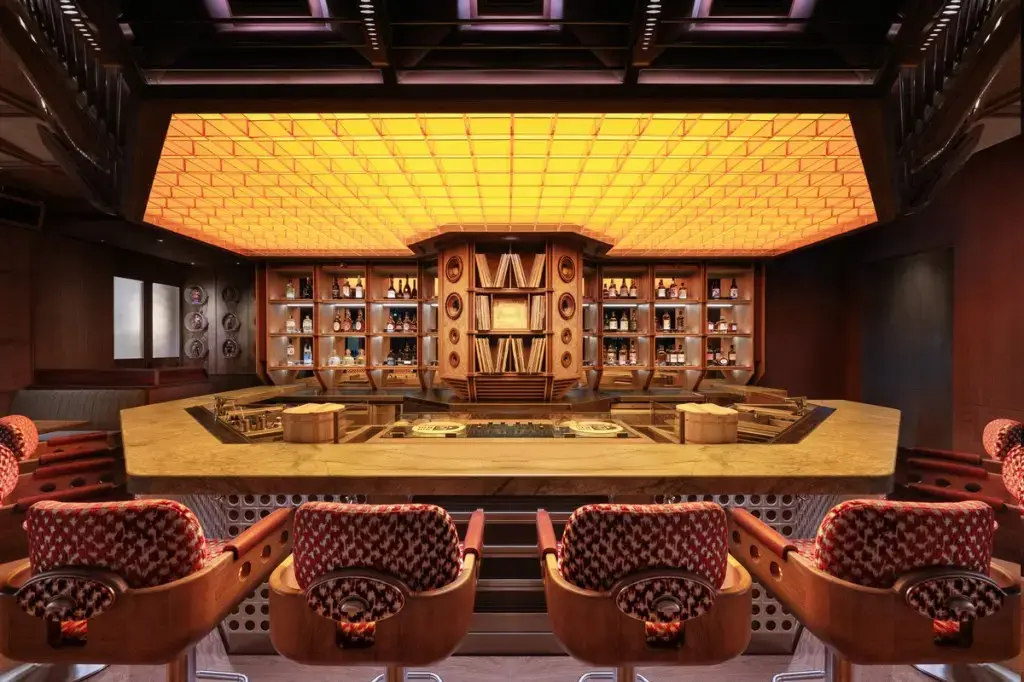
Travel and Hospitality’s Top Innovators Unveiled for Summer 2026
Judgment‑Driven Service as the New Luxury Standard
The latest Skift Take report highlights a wave of new luxury launches across hotels and airlines this summer. It notes that the market is flooded with high‑priced offerings, yet the real differentiator is the judgment behind service that creates truly exceptional guest experiences. Marketing strategist Colin Nagy contributes his perspective on customer‑centric innovation throughout the sector.
Latest news
 Exploring the Untamed Beauty of Northern Louisiana
 Beyond the Capital: British Tourism Chiefs Target Indian Visitors
 19 Unique Things to Do in Cape May, NJ
 A Local Says to Visit These 29 Farms in Puerto Rico
The report catalogues dozens of openings, from ultra‑luxury resorts to premium airline cabins, all priced at the top end of the market. While price tags climb, the emphasis shifts toward how brands use insight and intuition to anticipate guest needs. Nagy argues that the most successful players blend data with human judgment, delivering experiences that feel personalized rather than transactional. This focus on service quality, rather than merely lavish amenities, is reshaping the competitive landscape.
Industry insiders say that the sheer volume of new products could overwhelm travelers, but those that stand out share a common thread: a commitment to anticipatory service. „It’s not enough to have a beautiful lobby or a plush seat,” Nagy explains. „Guests remember the moment a staff member predicts a need before it’s voiced.” Brands are investing in training programs that empower employees to make on‑the‑spot decisions, reducing reliance on scripted interactions. Early adopters report higher satisfaction scores and repeat bookings, suggesting that this approach translates into tangible business benefits.
Will Expensive Offerings Remain Viable Without Genuine Service?
Critics warn that price alone cannot sustain growth in the luxury travel segment. The report underscores that travelers increasingly scrutinize the authenticity of their experiences. Companies that pair high price points with genuine, judgment‑based service are more likely to retain clientele. Conversely, those that rely solely on opulent surroundings risk being labeled as superficial. The data shows a modest but steady rise in repeat visitation for properties that prioritize staff empowerment, indicating that service quality may be the key to long‑term profitability.
Looking ahead, the industry appears poised to double down on this service‑first philosophy. As competition intensifies, brands will likely allocate more resources to employee training and real‑time analytics that support intuitive decision‑making. Travelers can expect a summer filled with dazzling new venues, but the ones that truly stand out will be those where staff anticipate and exceed expectations without being prompted.
Frequently Asked Questions
What defines a „judgment‑driven” service model? It combines data insights with employee autonomy, allowing staff to make real‑time decisions that anticipate guest needs, rather than following rigid scripts.
Why are luxury travel brands emphasizing service over amenities? Because discerning travelers value personalized experiences that feel genuine; exceptional service creates lasting impressions that justify premium pricing.
How are companies training staff for this approach? They are implementing immersive training programs that focus on empathy, situational awareness, and decision‑making skills, enabling employees to act proactively during guest interactions.
Content written by Amelia Stone for travel-good.com editorial team, AI-assisted.