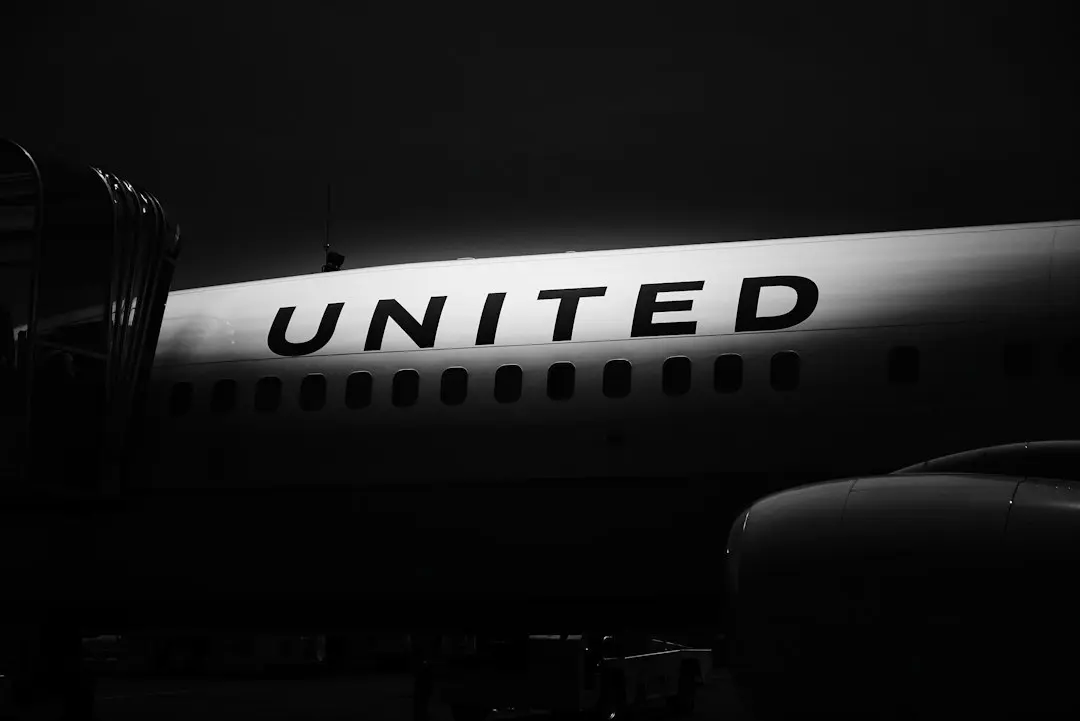
United Airlines Flight 946 Diverts to Canada After Takeoff from Dulles
What Caused the Mid-Air Turnback?
A United Airlines Airbus A319 en route from Washington Dulles International Airport to Amsterdam Schiphol made an unexpected U-turn shortly after departure on October 12, 2026, diverting to Halifax Stanfield International Airport in Nova Scotia, Canada. The flight, carrying passengers bound for Europe, was forced to turn back due to an in-flight issue that required immediate attention, leaving travelers stranded in Canada while arrangements were made for their continuation.
Latest news
 19 Unique Things to Do in Cape May, NJ
 A Local Says to Visit These 29 Farms in Puerto Rico
 21 Best Things to Do in Yakima (By a Local)
 Solo Travel for Women: Practical Tips and Inspiring Destinations
Flight 946 departed Dulles at approximately 7:15 AM EDT, climbing normally before the crew reported a technical concern that prompted the decision to divert. Air traffic control cleared the aircraft to Halifax, where it landed safely around 9:30 AM local time. United Airlines confirmed the diversion was precautionary, emphasizing passenger and crew safety as the priority. The airline dispatched maintenance teams to Halifax to inspect the Airbus A319, while ground staff assisted passengers with rebooking and accommodations. No injuries were reported, and the aircraft remained on the ground for several hours as engineers conducted diagnostics.
How Are Affected Passengers Being Handled?
Preliminary reports from United Airlines indicated a potential issue with the aircraft’s pressurization system, though officials declined to specify exact details pending a full investigation. Aviation experts note that pressurization anomalies are among the most common reasons for unscheduled descents or diversions, particularly on narrow-body jets like the A319 operating on transatlantic routes. The crew followed standard procedures, declaring an urgency to air traffic control before initiating the turnback. Passengers described a calm but noticeable change in altitude and cabin pressure, with some reporting ear discomfort. United later stated the aircraft performed as expected during the diversion and landing, with no signs of distress upon touchdown.
United Airlines arranged for passengers to remain in Halifax overnight, providing hotel vouchers, meal allowances, and assistance with rebooking onto alternative flights to Amsterdam. The airline operated a replacement aircraft from Halifax the following morning, allowing most travelers to continue their journey with a delay of approximately 24 hours. Some passengers opted to return to Washington Dulles instead, with United offering flexible rebooking options. Customer service teams were deployed to Halifax International Airport to manage inquiries and reduce congestion at the gate area. The incident added to a recent string of diversions involving United flights from Dulles, though officials stressed each case is evaluated independently.
Why did the flight divert to Halifax instead of returning to Washington Dulles? Halifax was the nearest suitable airport with adequate facilities and runway length for an Airbus A319, making it the most efficient and safe option given the aircraft’s position and the nature of the issue.
Frequently Asked Questions
Were passengers compensated for the delay and inconvenience? United Airlines provided standard amenities including meals, lodging, and rebooking assistance, with additional compensation evaluated case by case under its customer commitment policy.
Is the Airbus A319 involved now back in service? The aircraft underwent inspection in Halifax and was cleared to fly after maintenance checks, subsequently operating the replacement flight to Amsterdam the next day.
Content written by Alessandro Passalalpi for travel-good.com editorial team, AI-assisted.