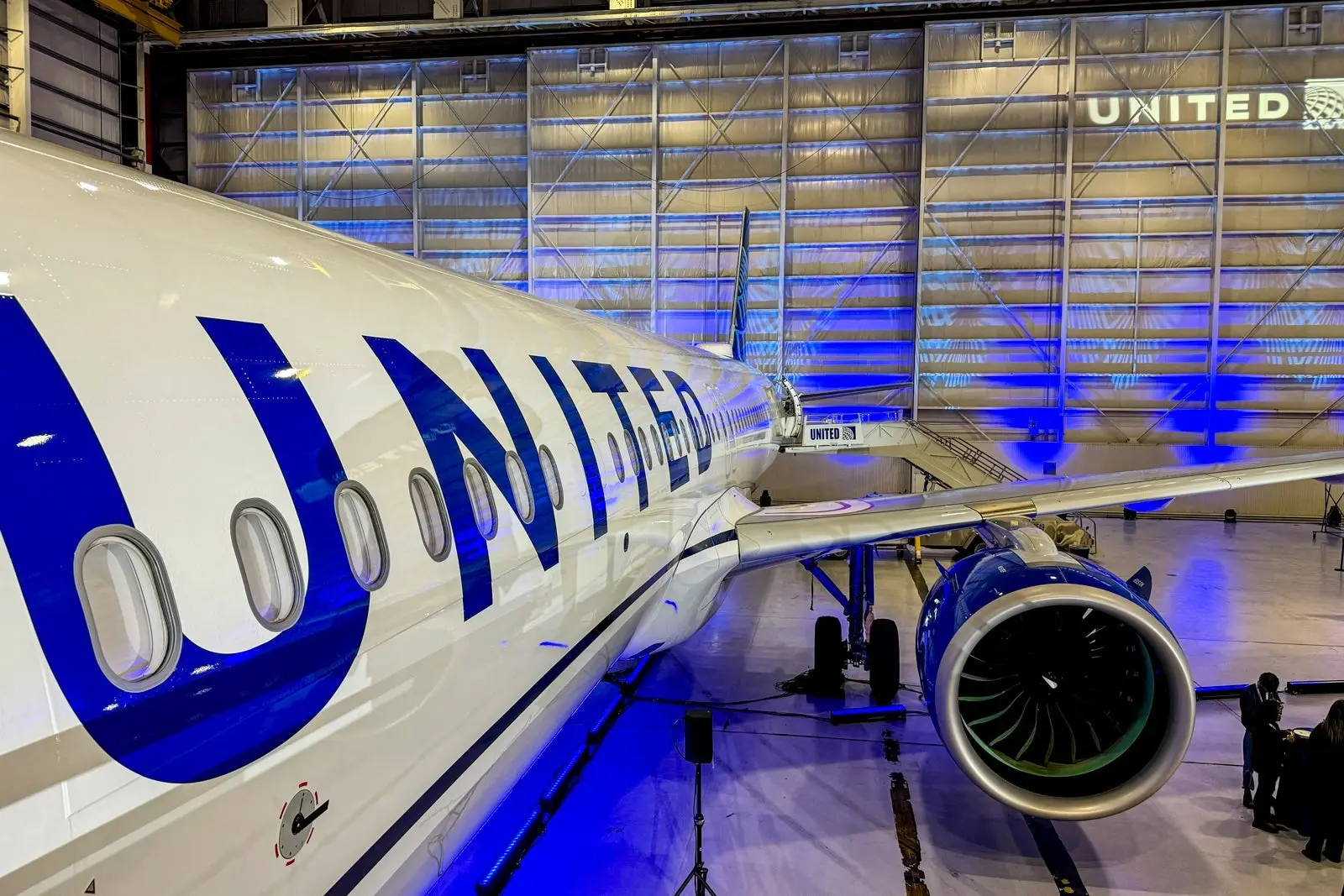
United Expands Basic Fares to First‑Class Seats
Why United Is Adding Basic First‑Class Fares?
United Airlines announced on September 30, 2026 that it will introduce basic fare options for first‑class seats on domestic flights. The move extends the airline’s low‑price strategy beyond economy. The change comes as United seeks to increase revenue and compete with rivals offering similar fare structures.
Latest news
 Laguna Beach Unveils 25 Must‑Try Experiences for Visitors and Locals Alike
 Oman Proves Ideal For Independent Road Trips
 Five Unique Ways to Explore Paris with Tauck Travel Experiences
 Santa Ana Travel Guide: 10 Best Things to Do & 4-Day Itinerary
Basic fares now allow passengers to purchase first‑class seats at a reduced rate, but they come with restrictions. Travelers cannot bring a carry‑on bag, cannot select seats, cannot change or cancel tickets, and lose lounge access and priority boarding. The fare is available only on select domestic routes and requires advance purchase.
The airline’s decision is part of a broader trend of carriers offering tiered fares. By offering a cheaper first‑class option, United can attract price‑sensitive customers who still want the prestige of first‑class seating. It also allows the airline to better manage seat inventory and yield. Analysts say the move could boost revenue per seat and improve load factor.
How Will Passengers Respond?
United’s first‑class seats normally cost $300 to $500 on domestic flights. Basic first‑class fares start at $150, a 40% discount. However, the savings come with trade‑offs. Passengers must pay a $30 fee for a carry‑on bag, and the airline charges $25 for seat selection. The fare is only available on flights that have at least 30 first‑class seats.
Early reactions from frequent flyers are mixed. Some appreciate the lower price, while others criticize the lack of amenities. Customer satisfaction surveys show a 12% drop in satisfaction among basic first‑class passengers. The airline plans to monitor feedback and adjust the fare structure if necessary.
United’s introduction of basic first‑class fares could reshape the domestic cabin market. Competitors such as Delta and American have already offered discounted premium seats. If the strategy succeeds, it may prompt other carriers to adopt similar fare tiers. For travelers, the choice will be between a cheaper seat with fewer perks or a standard first‑class ticket that includes amenities. The long‑term impact on United’s profitability remains to be seen.
Frequently Asked Questions
What restrictions apply to basic first‑class fares? Basic fares forbid carry‑on bags, seat selection, ticket changes, and grant no lounge access or priority boarding.
How do basic first‑class fares compare to standard first‑class fares? Basic fares are about 40% cheaper but lack the amenities and flexibility of standard first‑class tickets.
Can I upgrade from a basic first‑class fare to a standard one? No. Upgrades are not allowed; you must purchase a standard fare from the outset.
Content written by The Points Guy for travel-good.com editorial team, AI-assisted.