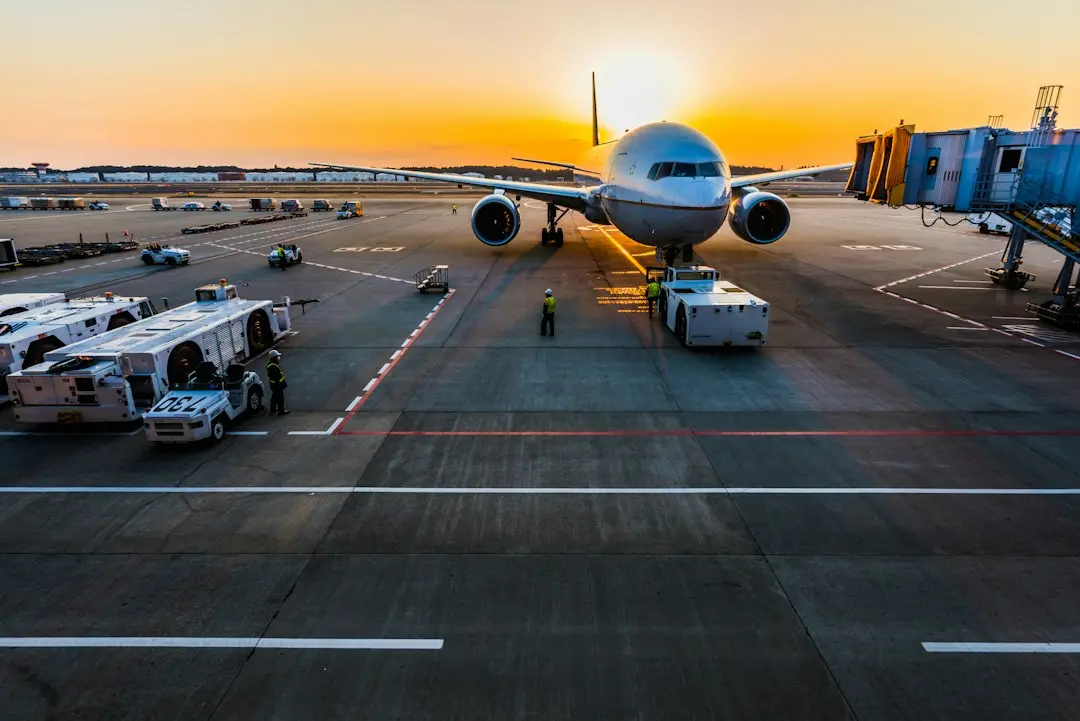
US Airports Ranked by Stress Levels
What Makes These Airports So Intimidating?
Major hubs such as Chicago, New York, and Los Angeles top the list of most stressful airports in the United States, according to a recent survey of frequent flyers and industry experts. The study, conducted in September 2026, gathered responses from over 5,000 travelers who rated factors like security wait times, crowd density, and flight delays.
Latest news
 Delta Flight 2531 Forced to Declare Emergency After Passenger Disturbance
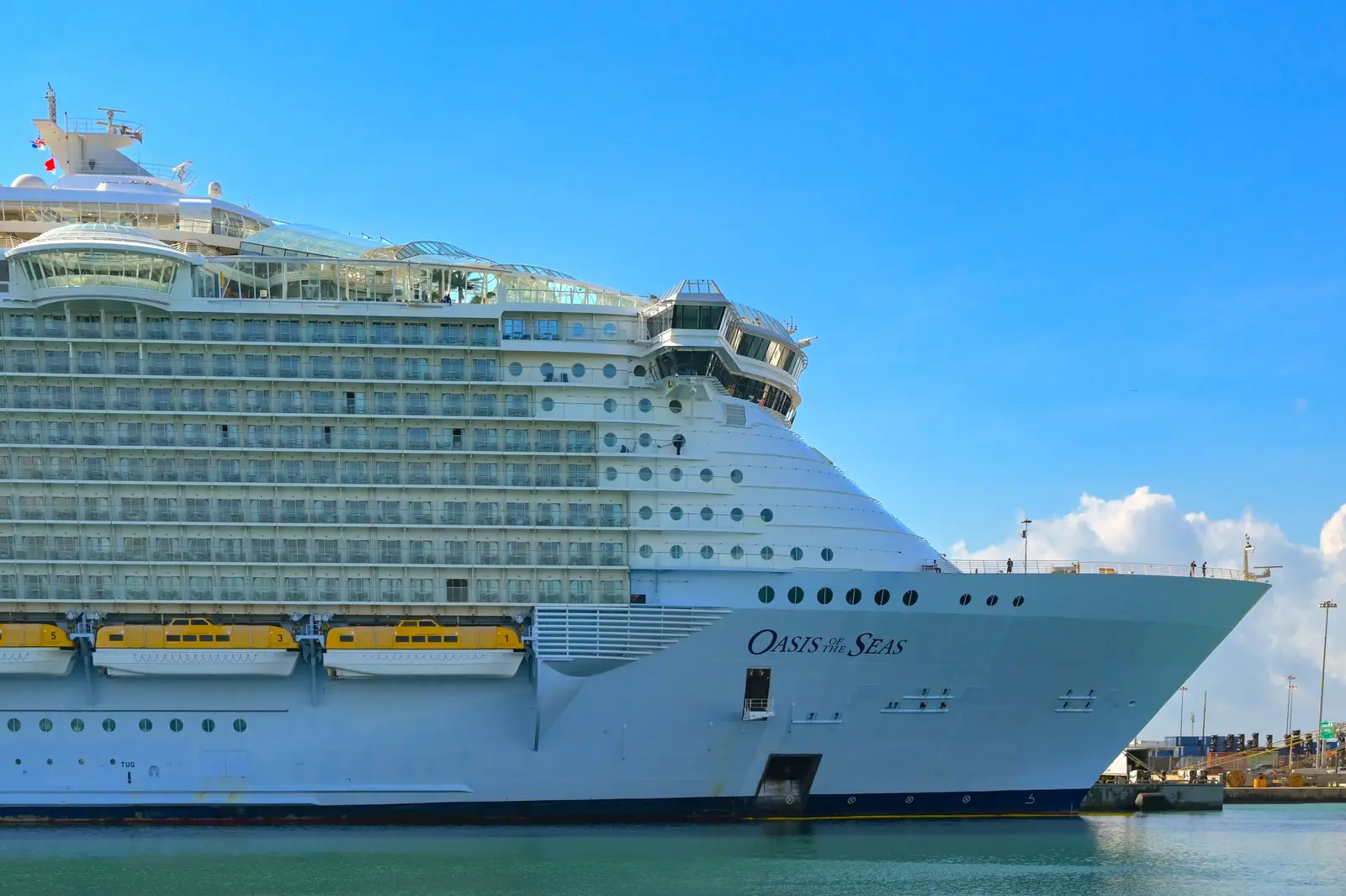 Royal Caribbean Cruise Diverts From Bahamas To Canada Amid Weather Concerns
 Chapel of Expiation: A Silent Witness to France’s Revolution
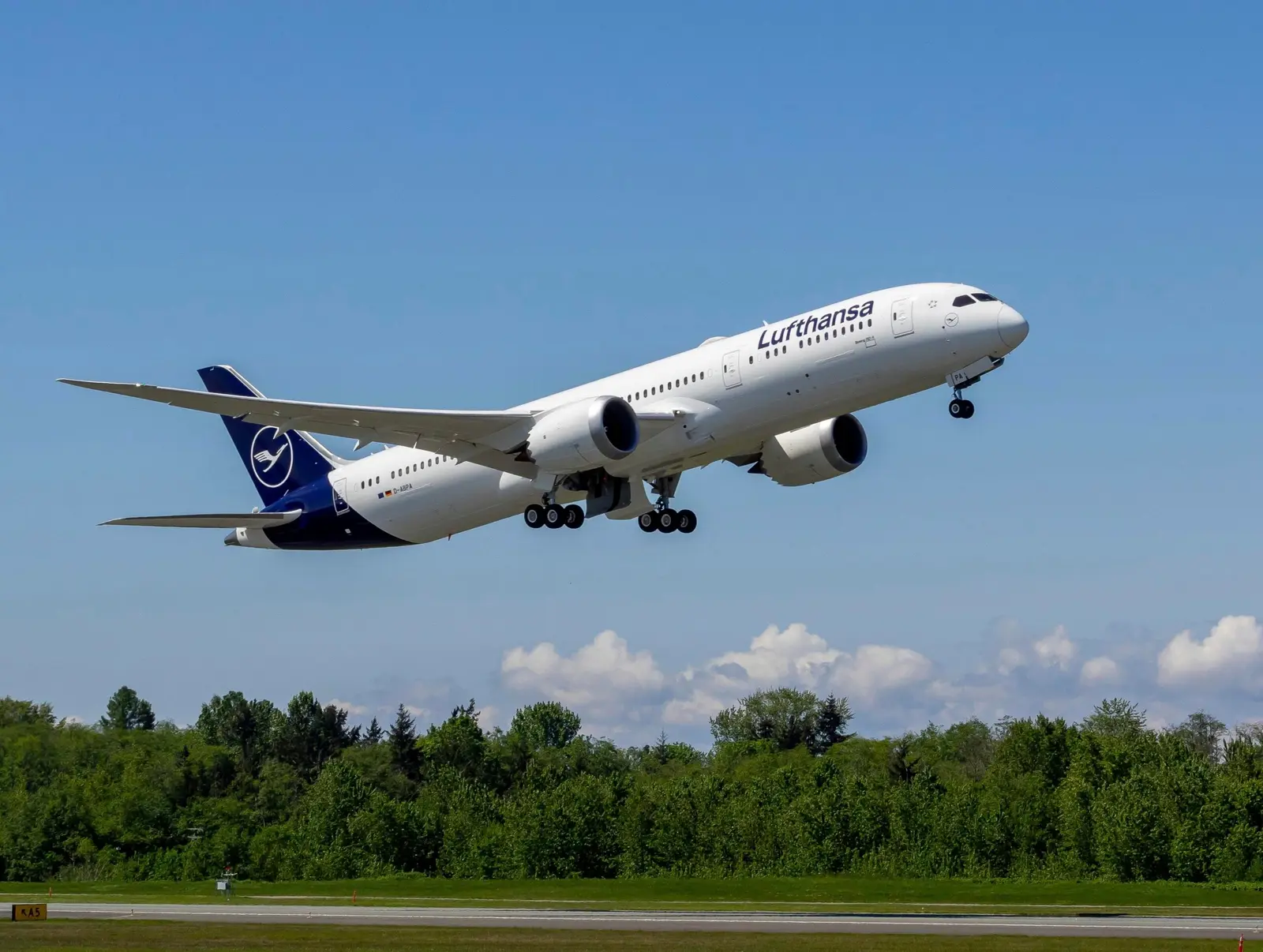 Lufthansa to Launch Columbus‑Frankfurt Direct Flights in 2027
The survey highlighted that passengers at large metropolitan airports experience higher anxiety due to long lines, limited seating, and frequent schedule changes. Chicago O’Hare, for instance, reported an average security wait of 45 minutes, while New York’s LaGuardia saw delays of up to 90 minutes during peak hours. Travelers cited the overwhelming noise and lack of clear signage as additional stressors.
The primary drivers of stress at these airports are congestion and operational inefficiencies. Security checkpoints at O’Hare and JFK are often overcrowded, forcing passengers to stand for extended periods. In addition, the sheer volume of flights—over 2,000 daily at some hubs—creates a chaotic environment that can overwhelm even seasoned flyers. Passengers also noted that inconsistent gate assignments and last‑minute flight changes add to the uncertainty, leading to increased travel anxiety.
Can Technology Reduce the Tension?
Industry insiders explain that the aging infrastructure of many U. S. airports contributes to these problems. Limited space for new technology, such as automated screening lanes, hampers efforts to streamline passenger flow. Moreover, airlines’ aggressive scheduling to maximize aircraft utilization often leaves little room for buffer times, resulting in cascading delays that affect thousands of travelers.
Will smart airports offer relief? Some airports are experimenting with AI‑driven passenger tracking systems that predict congestion and adjust staffing levels in real time. At Dallas‑Fort Worth, for example, a pilot program uses facial recognition to monitor queue lengths and redirect passengers to less crowded lanes. Early reports suggest a 15% reduction in average wait times, though privacy concerns remain.
Frequently Asked Questions
Other airports are investing in mobile apps that provide real‑time updates on gate status, security wait times, and lounge availability. These tools empower travelers to make informed decisions, potentially easing the mental load associated with flight preparation. However, adoption rates vary, and not all passengers are comfortable with the technology.
The long‑term outlook depends on continued investment in infrastructure and passenger experience. If airports can integrate advanced analytics and improve staffing during peak periods, the stress associated with air travel could diminish. Until then, travelers are advised to arrive early, stay informed, and choose flights during off‑peak hours when possible.
Q: Which airport has the longest security wait time? A: Chicago O’Hare reported the longest average wait, at about 45 minutes, according to the survey.
Content written by Rachel Dobkin for travel-good.com editorial team, AI-assisted.