U.S. Border Agents Deny Entry to Canadians Visiting Romantic Partners
Border Agents Question Relationship Frequency
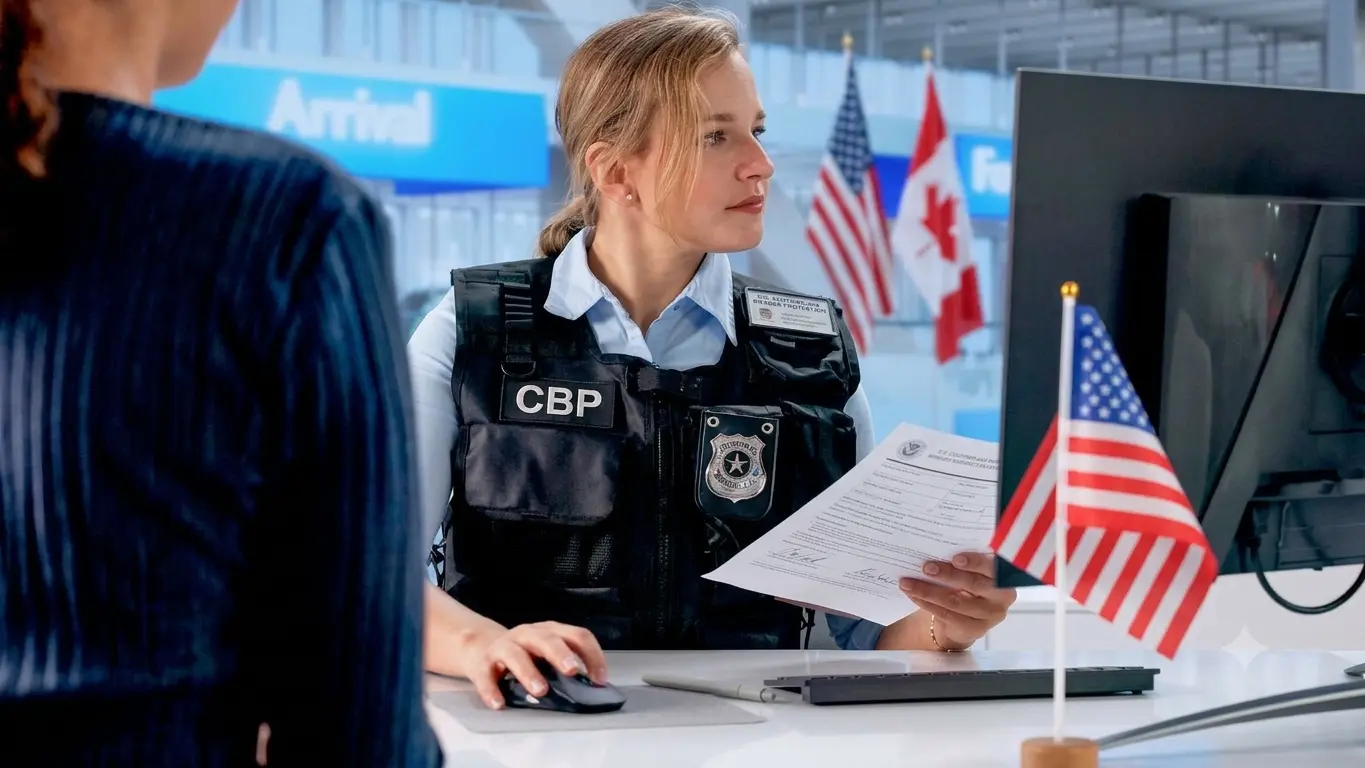
Canadian travelers face increasing scrutiny at U. S. borders when admitting to visiting romantic partners. Customs and Border Protection officers have recently denied entry or issued indefinite bans to several individuals. These actions stem from frequent visits to American boyfriends or girlfriends. The incidents highlight a strict interpretation of federal entry laws. Travelers report significant disruption to their personal relationships due to these border decisions.
Latest news
 FITUR 2027 Expansion Promises Record-Breaking Tourism Showcase
 Abu Dhabi Boosts Luxury Marine Tourism Through New Strategic Partnership
 U.S. Border Directive Blocks Canadian Worker From Flight
 Vermont-Quebec Border Crossing Faces Extended Closure for Upgrades
Federal law grants officers broad discretion to question arriving passengers. Agents may inquire about the specific purpose of each visit. Repeated trips to see the same person can trigger deeper investigation. Officers assess whether the traveler intends to establish permanent residence. This distinction is critical for lawful temporary entry.
One Canadian woman shared her experience in September. She was indefinitely banned from entering the United States. The ban occurred after she visited her American boyfriend frequently. CBP officers determined her visits suggested an intent to live in the U. S. This finding contradicted her claim of temporary tourism. Other travelers reported similar outcomes. Some faced prolonged detention while officers reviewed their travel history. Agents examined bank statements and communication records. The process caused emotional distress for the individuals involved.
How Does Visit Frequency Affect Entry Status?
The legal framework allows officers to deny entry without extensive explanation. Travelers must prove their intent to return home. Frequent visits to a partner complicate this proof. Officers often view such patterns as evidence of immigration intent. This creates a difficult situation for couples in long-distance relationships. Many Canadians rely on visa-free entry for short trips. The new scrutiny undermines this established practice.
Legal experts note that consistency in entry denials is rare. However, recent reports suggest a shift in enforcement priorities. Officers are paying closer attention to relationship details. They ask specific questions about the partner's residency status. They also inquire about the duration of each stay. Travelers who cannot clearly define their visit may face rejection. The lack of clear guidelines causes confusion. Many people do not realize that admitting a romantic relationship can trigger a review.
Frequently Asked Questions
The consequences for denied travelers are severe. An indefinite ban requires complex legal appeals. This process is costly and time-consuming. Families and friends often face separation during the appeal period. The uncertainty adds stress to already strained relationships. Some travelers now avoid mentioning their partners entirely. This strategy risks appearing deceptive to officers. Honesty remains the recommended approach, but the outcome is unpredictable.
Can CBP deny entry based on relationship status? Yes, officers can deny entry if they believe a traveler intends to reside in the U. S. Admitting to frequent visits to a partner may support this belief. The decision rests on the officer's interpretation of intent.
What should travelers do if denied entry? Travelers should request a formal review of the decision. Consulting an immigration attorney is strongly advised. They can help navigate the appeal process for an indefinite ban.