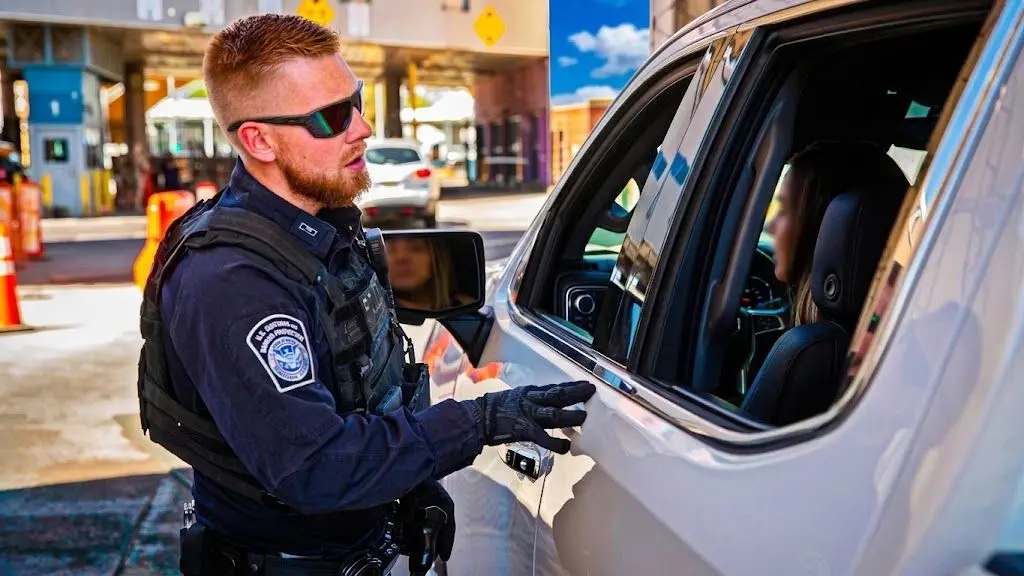
U.S. Border Officers Search Traveler's Phone Over Another Person's Entry Record
From Routine Question to Phone Detention
U. S. Customs and Border Protection officers detained a traveler's phone at Boston Logan International Airport. The search was triggered by an entry record belonging to someone else. This incident highlights expanding device search powers at U. S. ports of entry.
Latest news
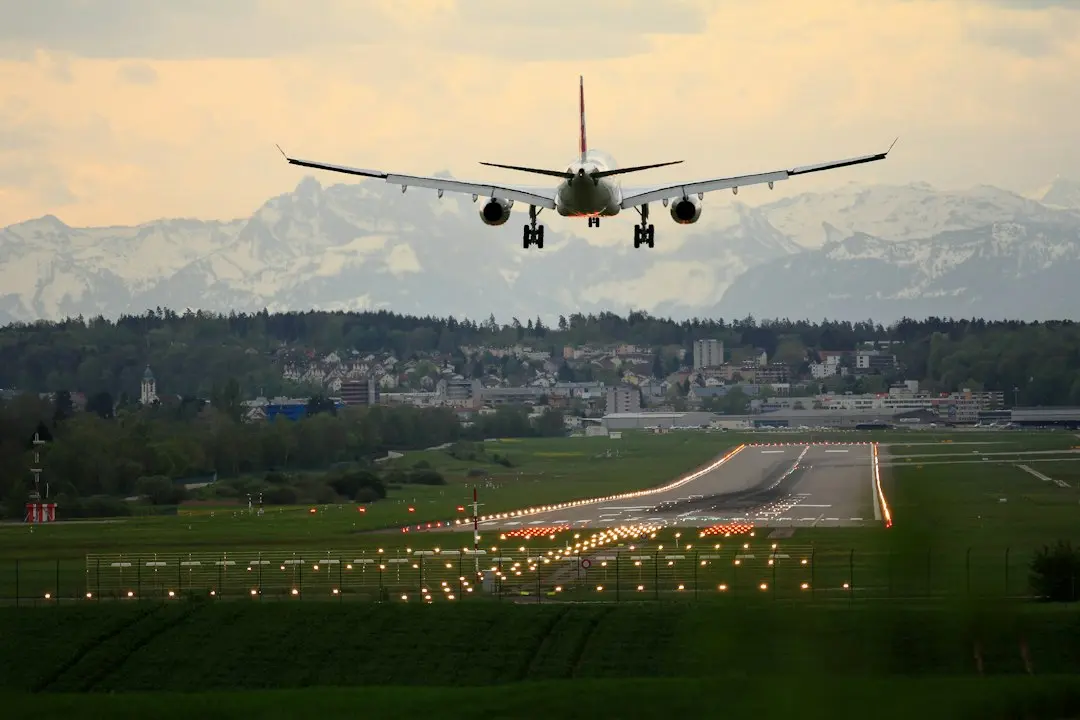 FAA Grounds Flights At 4 Major U.S. Airports Forcing Hundreds of Cancellations In A Single Day
 Travelodge UK partners with Nuitée to power smart distribution
 Why You Should Visit This Lesser Known Walled City In Italy Right Now With $12 Pasta & Medieval Charm
 Top Mirrorless Cameras of 2026: Picks for Every Budget and Brand
The officer asked the traveler about a person they knew. After the traveler answered, the agent plugged inthe phone for a deeper inspection. This sequence of events has sparked concern among frequent flyers about how quickly a routine question can escalate into a full device search.
What Does This Mean for Future Travelers
The process began with a standard secondary check. The officer inquired about a specific individual connected to the traveler. Once the traveler provided a name, the agent connected the phone to a laptop. This step allows officers to examine call logs, messages, and app data. The traveler reported the phone was held for an extended period. This creates anxiety about data privacy and the scope of what officers can access during the search.
The incident underscores a broader trend in border enforcement. CBP has been given broader authority to inspect electronic devices. Travelers should expect more secondary checks and device searches at major airports. Experts recommend keeping phones charged and passwords ready. Understanding the trigger for a search helps travelers prepare mentally and logistically for the process.
Can officers search a phone based on someone else's record? Yes. If an officer connects a traveler to another person with a prior entry record, that can trigger a device search. The traveler's phone becomes a tool to verify the connection.
Frequently Asked Questions
How long can CBP hold a phone? There is no fixed limit. Detention can last from minutes to hours depending on the depth of the investigation. Travelers should plan for potential delays.
What data can officers access? Officers can review call history, text messages, photos, and app data. The scope depends on the reason for the search and the traveler's consent or a warrant.