U.S. Travelers Advised to Delay 2026 World Cup Trips
Stadium Cities Brace
City leaders are urging American citizens to reconsider non-essential travel during the 2026 FIFA World Cup. The caution stems from anticipated major congestion. This impacts several host cities across the United States and Canada. The advice was issued May 2, 2026.
Latest news
 Phu Quoc: Vietnam’s Premier Tropical Island Escape
 Finding the Best Neighborhoods to Stay in Peru’s Coastal Capital
 Bomb Threat Diverts Tel Aviv Flight to Sofia
 Tracing Ancient Footsteps Through the Yucatán Wilderness
Officials express concern about overwhelmed infrastructure. They predict significant strain on transportation and local services. The World Cup is expected to draw massive crowds. This could disrupt daily life for residents and visitors alike. The recommendation specifically suggests working remotely, if possible, to avoid travel complications.
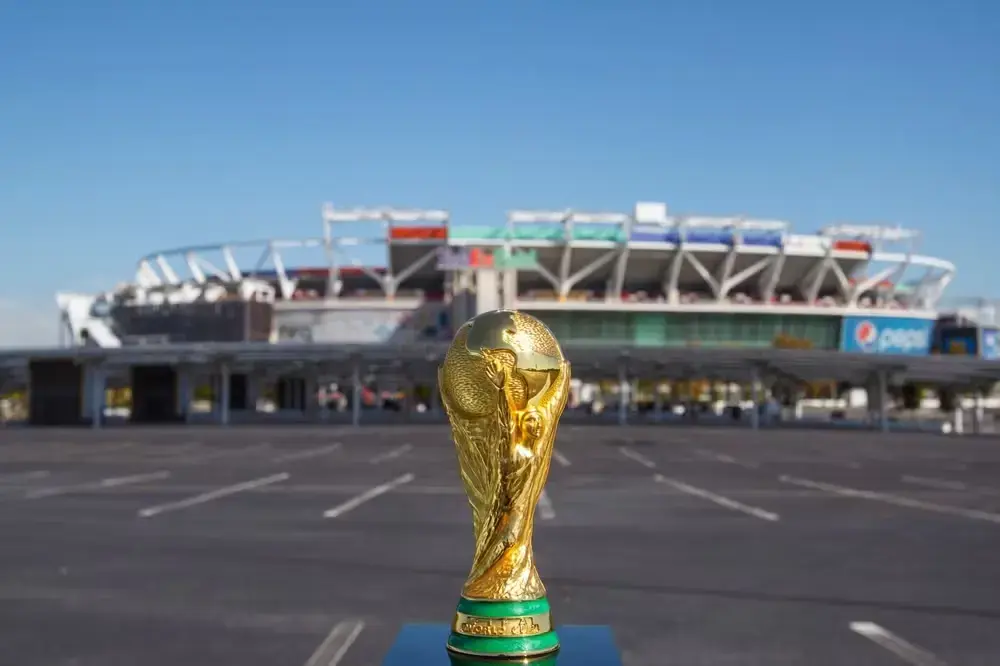
The 2026 tournament will be unique, featuring an expanded 48-team format. Games are scheduled across 16 North American cities. This includes locations in the U. S., Canada, and Mexico. FedEx Field in Maryland, near Washington D. C., is one of the designated host stadiums. It anticipates a substantial influx of international fans.
Local authorities are preparing for unprecedented logistical challenges. They are focusing on managing traffic flow and ensuring public safety. The scale of the event necessitates proactive measures. Officials want to minimize disruption to essential services. They are also worried about hotel availability and strain on emergency resources.
Will Remote Work Become the New Norm for Travelers?
The unusual travel alert raises questions about future event planning. Could large-scale events necessitate a shift in work habits? The suggestion to work remotely highlights a growing trend. More companies are embracing flexible work arrangements. This could become a standard practice during major international gatherings.
The advisory isn't a complete travel ban. It's a strong recommendation to avoid unnecessary trips. Those who must travel are encouraged to plan well in advance. Booking accommodations and transportation early is crucial. Travelers should also be prepared for potential delays and crowded conditions.
The situation could lead to increased demand for virtual event experiences. Fans may opt to watch games from home or at local viewing parties. This would reduce the pressure on host cities. It could also offer a more convenient and affordable way to enjoy the tournament.
Frequently Asked Questions
The long-term consequences remain to be seen. This event could reshape how we approach travel during major events. It emphasizes the need for better infrastructure planning. It also highlights the potential of remote work as a travel alternative.
What is driving this unusual travel alert? The primary concern is severe congestion in host cities. Officials fear the World Cup will overwhelm local transportation and services. They are proactively advising Americans to avoid unnecessary travel.
Does this apply to all travel during the World Cup? The alert focuses on non-essential travel. Those who must attend games or have critical business are still able to travel. However, they should expect significant delays and plan accordingly.
Could this become a common practice for future events? It's possible. The success of remote work during the pandemic demonstrated its viability. This could lead to similar recommendations for other large-scale events.
Content written by Marco Ricci for travel-good.com editorial team, AI-assisted.