U.S. Travelers Face Changes at Banff National Park as Free Admission Perk Ends
How the Policy Change Affects Cross-Border Travelers
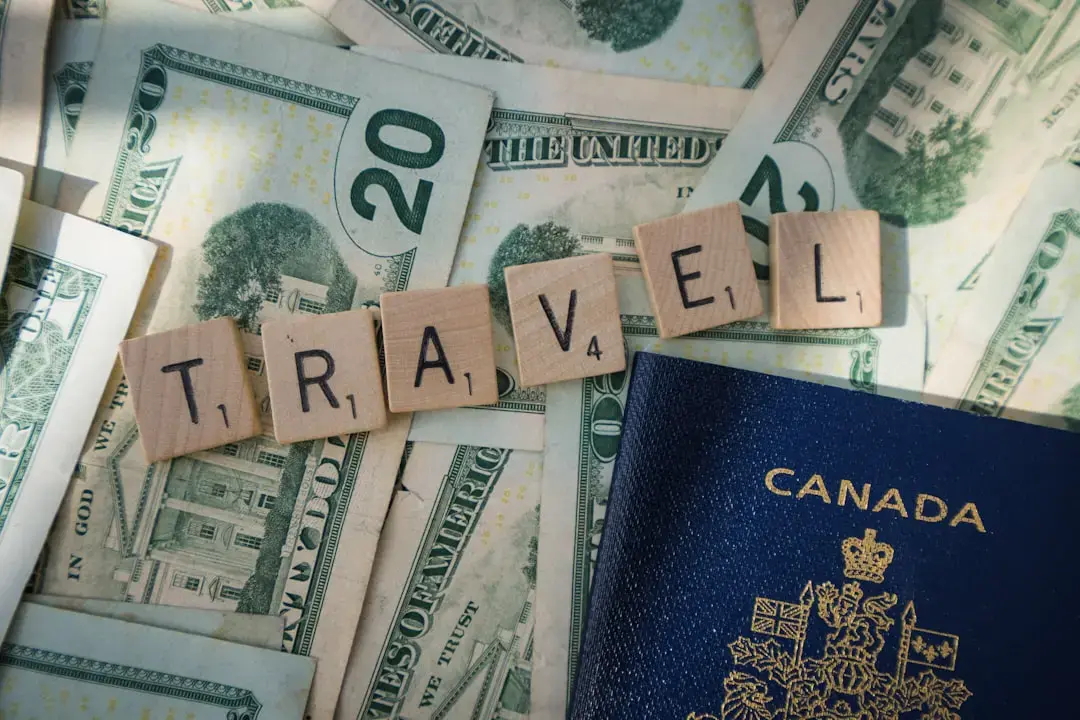
Starting September 10, 2026, U. S. visitors to Banff National Park in Alberta, Canada, must pay admission fees after a longstanding free entry perk for American travelers was discontinued. The change affects all vehicles entering the park through its main gates, ending a policy that had allowed U. S. citizens complimentary access for decades. Park officials cite rising operational costs and increased visitor numbers as reasons for ending the benefit, which had been in place since the early 2000s. The shift aligns Banff’s entry policy with that of other Canadian national parks, where fees apply uniformly to all international guests. Canadians and Americans alike are now adjusting to the new reality at one of North America’s most visited natural destinations.
Latest news
 India’s Foreign Arrivals Are Falling — but the 2047 Tourism Target Is Now 100 Million
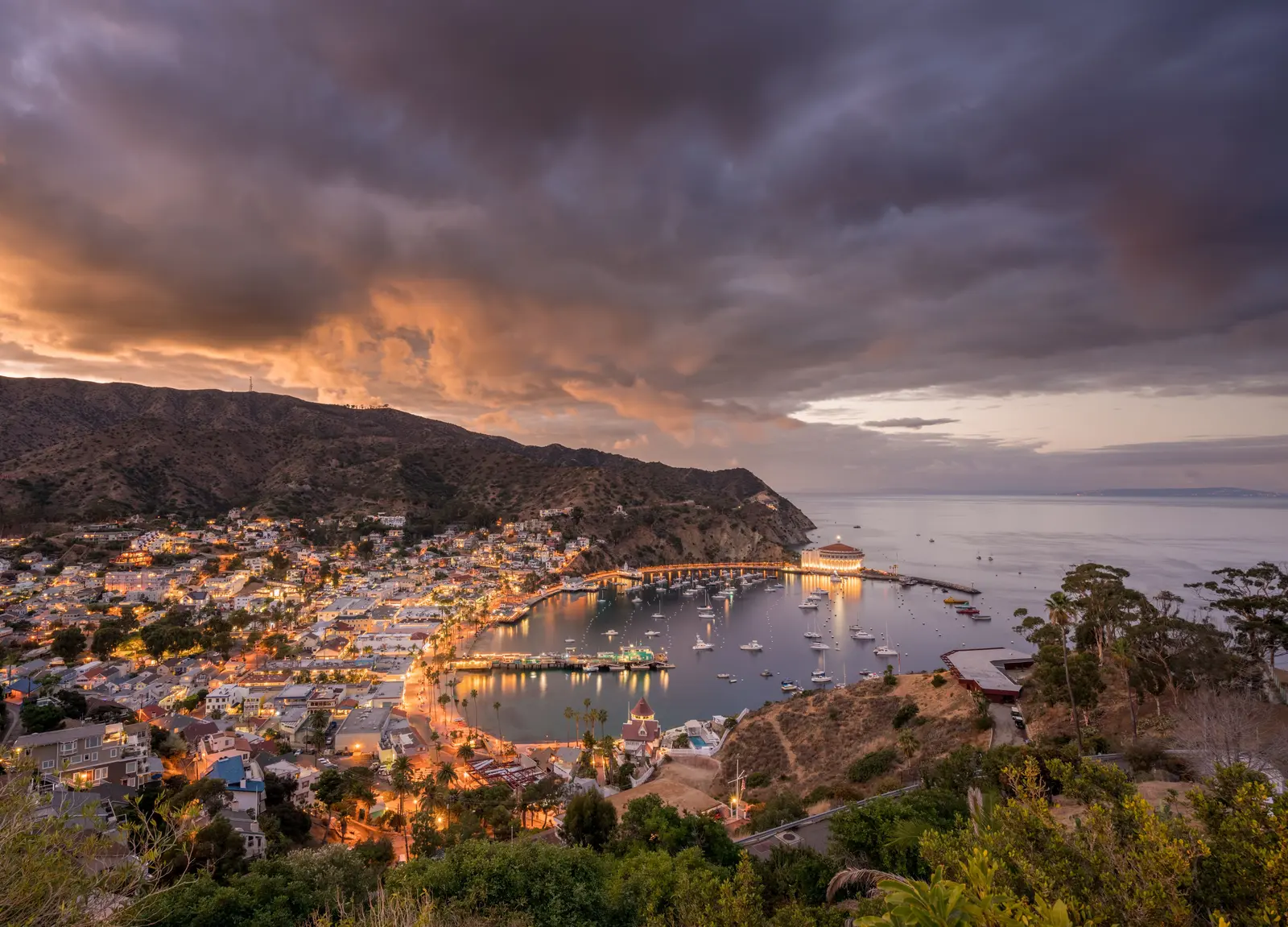 Avalon: The Greek Isles of Southern California Offer Mediterranean Charm Without the Flight
 Winter Direct Flights: US Airlines Open New Routes to Canada
 High Shoals Falls: A Hidden Gem in the North Georgia Mountains
U. S. travelers previously enjoyed free admission under a reciprocal agreement tied to historical tourism ties between the two countries. That arrangement has now been terminated, meaning Americans must purchase daily or annual passes like other international visitors. A vehicle pass for a family of up to seven people now costs CAD 20.50 per day, while an annual Discovery Pass is CAD 72.25. Park officials say the revenue will support trail maintenance, wildlife protection, and visitor services strained by record attendance. In 2025, Banff welcomed over 4.5 million visitors, a 12 percent increase from the previous year. Some U. S. tourists have expressed disappointment on social media, calling the change unfair given past privileges. Others acknowledge the need for sustainable funding as crowds grow. Local businesses in Banff townsite report no immediate drop in U. S. bookings, though travel agents note increased inquiries about fee structures.
What Alternatives Exist for Budget-Conscious Visitors
Travelers seeking to minimize costs can explore free activities outside the park’s paid zones, such as hiking trails in nearby provincial areas or visiting the town of Banff itself, which remains accessible without a pass. Parks Canada offers discounted rates for seniors and youth, and free admission days are still held annually on Canada Day and other national holidays. Some U. S. visitors are combining Banff trips with visits to Yoho or Kootenay National Parks, where fees are similar but crowds may be lighter. Travel experts recommend purchasing passes online in advance to reduce wait times at entrances. Despite the added cost, demand for Banff remains high, with lodging reservations for summer 2027 already exceeding 80 percent capacity. The long-term effect on U. S. visitation patterns remains uncertain, though officials expect numbers to stabilize as travelers adjust to the new fee structure.
Why did Canada end free admission for U. S. travelers to Banff? The free entry perk was ended due to rising costs of managing increased visitor numbers and to align Banff’s policy with other Canadian national parks that charge all international guests.
Frequently Asked Questions
Are there any days when admission is still free? Yes, Parks Canada offers free admission on certain national holidays, including Canada Day, and for youth under 18 and seniors over 65 on specific days throughout the year.
Will the fee change reduce the number of U. S. visitors to Banff? Early data shows no significant drop in U. S. bookings, though travel agents report more questions about costs; officials anticipate visitation will stabilize over time as travelers adapt.
Content written by Marco Ricci for travel-good.com editorial team, AI-assisted.