
Why Baggage Claim Areas Are Often Located Far From Airport Gates
Can Airport Layouts Truly Make Waits Feel Shorter?
Airport designers use the concept of occupied timeto manage passenger experience. When travelers are walking toward baggage claim, they are engaged in a purposeful activity, which reduces boredom and frustration. This strategy is particularly effective in high-traffic hubs where actual baggage processing times cannot be significantly reduced. The longer the walk, the more likely passengers are to perceive the overall arrival process as efficient, even if the actual wait remains unchanged. Real-world observations at major U. S. airports show that terminals with extended pedestrian routes to baggage claim report higher satisfaction scores related to arrival experience, despite similar baggage delivery times.
Latest news
 Delta Flight 2531 Forced to Declare Emergency After Passenger Disturbance
 Royal Caribbean Cruise Diverts From Bahamas To Canada Amid Weather Concerns
 Chapel of Expiation: A Silent Witness to France’s Revolution
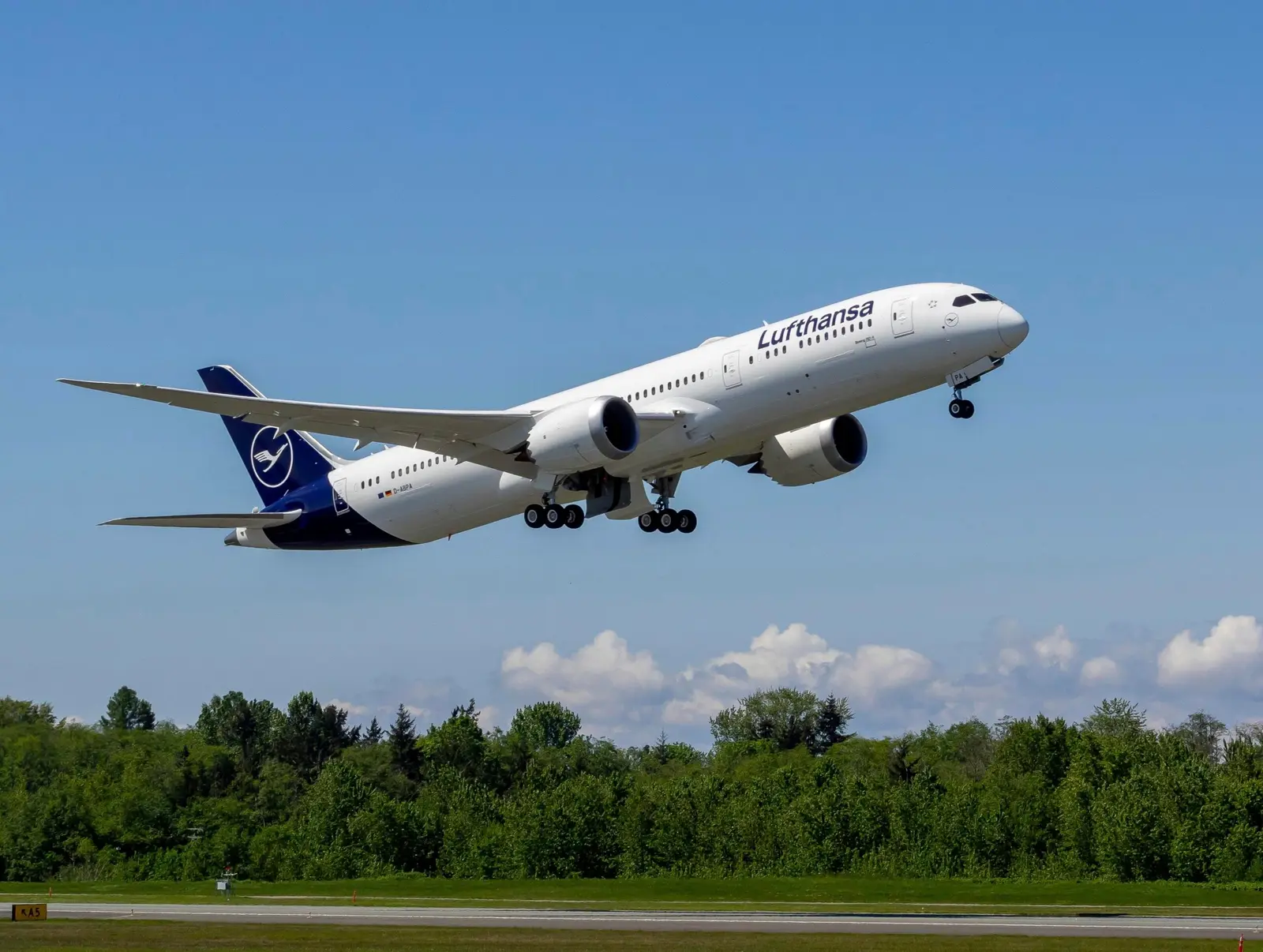 Lufthansa to Launch Columbus‑Frankfurt Direct Flights in 2027
Yes, evidence from behavioral studies supports this approach. Experiments in queue psychology demonstrate that people judge waits based on how they feel during the interval, not just the duration. Factors like anxiety, boredom, and uncertainty amplify perceived wait time, while movement, clear signage, and visual progress reduce it. By increasing the walking distance to baggage claim, airports introduce a buffer zone where passengers transition from the confined space of the aircraft to the public terminal. This transition helps reset expectations and lowers stress levels before the final wait. Data from airport experience surveys indicate that passengers who walk more than 600 feet to reach baggage claim report feeling that their wait was more reasonable than those who walk less than 200 feet, even when actual carousel wait times are identical.
Frequently Asked Questions
Why don’t airports just speed up baggage handling instead? While improving baggage handling systems is important, physical constraints like aircraft turnaround schedules and baggage sorting logistics limit how fast luggage can be delivered. Design strategies focus on what can be controlled—passenger perception—when operational speed has practical limits.
Is this design used in all airports? Not universally, but it is common in larger international and domestic hubs where passenger volume justifies longer terminal layouts. Smaller regional airports may place baggage claim closer due to space constraints and lower passenger throughput.
Does this strategy work for all travelers? It tends to be most effective for able-bodied passengers. Airports must balance psychological design with accessibility needs, ensuring that those with mobility challenges have access to efficient transport options like carts or assistance services to avoid creating inequities in experience.
Content written by Marco Ricci for travel-good.com editorial team, AI-assisted.