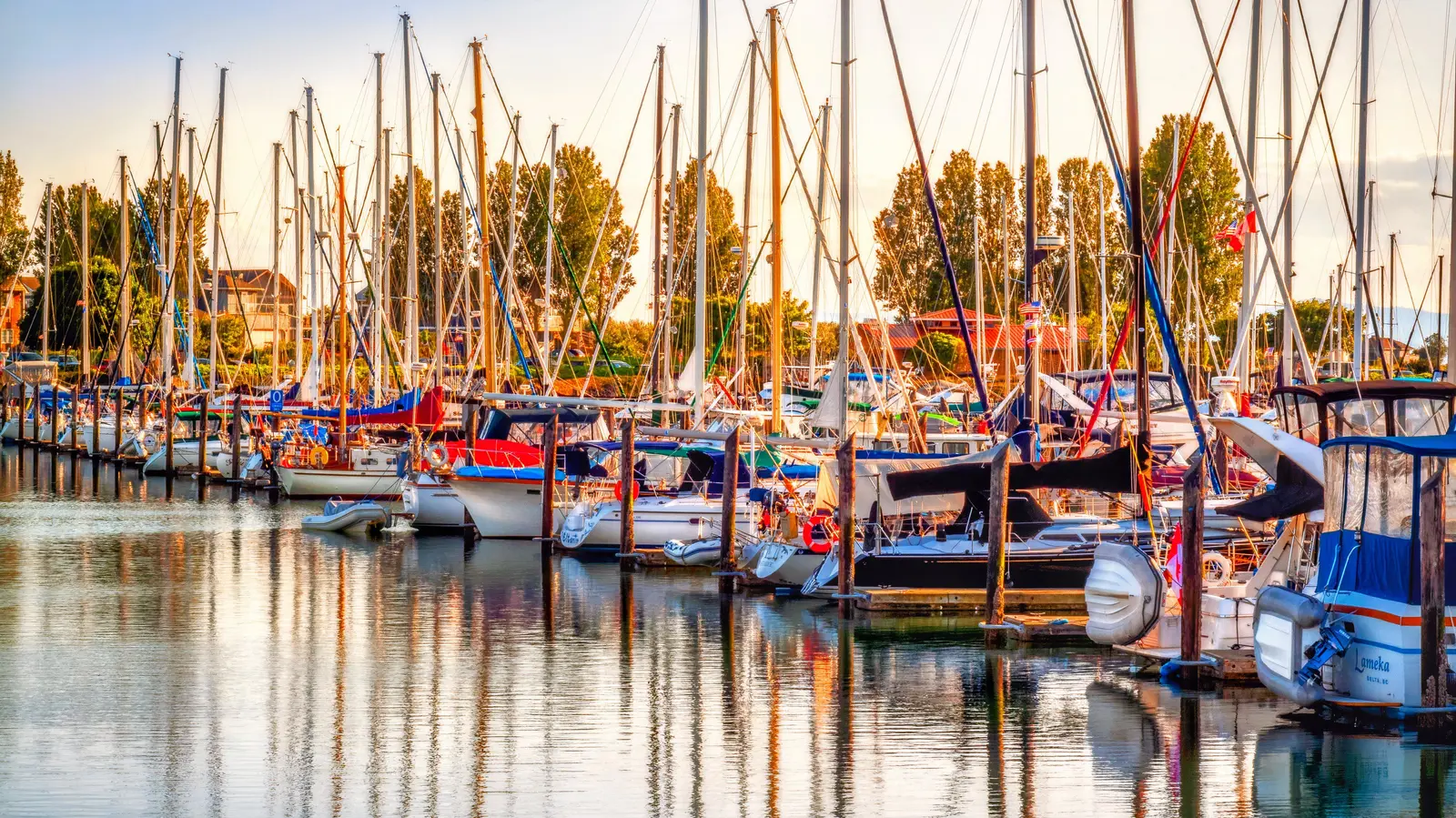
Why Driving To This Washington Town Requires A Passport, Even If You're An American
How Border Life Shapes Daily Routines in Point Roberts
Point Roberts, a small exclave of Washington State, sits isolated at the southern tip of the Tsawwassen Peninsula in British Columbia, Canada. Accessible only by land through Canadian territory, this unique American community requires travelers to cross an international border twice—once entering Canada and once re-entering the United States—despite never leaving U. S. soil geographically. With a population of just over 1,300 residents, Point Roberts has functioned as a practical peninsula of Canada since the 1846 Oregon Treaty established the 49th parallel as the U. S.-Canada border, inadvertently leaving this sliver of land south of the line but disconnected from the rest of Washington State.
Latest news
 Santa Ana Travel Guide: 10 Best Things to Do & 4-Day Itinerary
 Glorious American Getaways That Seem Like Far‑Off Lands
 Best Credit Cards for Rental Car Elite Status
 Where to Eat, Stay, and Play in Medellín, Colombia's Eternally Cool City
The geographic anomaly stems from the treaty’s oversight in not accounting for the peninsula’s protrusion below the 49th parallel. As a result, Point Roberts became U. S. territory while remaining physically attached to Canada. Residents and visitors must drive approximately 25 miles through British Columbia, passing through two border crossings: the Peace Arch crossing when entering Canada and the Point Roberts crossing when returning to the U. S. Both require valid passports or equivalent travel documents for all individuals, including American citizens, due to the international transit. Local officials emphasize that while the community receives U. S. federal services and uses the U. S. postal system, daily life is deeply intertwined with nearby Canadian towns like Tsawwassen and Delta, where many residents shop, seek healthcare, and send children to school.
What Happens When Border Policies Shift?
Life in Point Roberts operates on a binational rhythm. Children attend school in Blaine, Washington, requiring a daily commute that includes border crossings both ways. Grocery shopping often happens in Canada due to proximity and lower prices, though some goods must be imported from the U. S. The local economy relies heavily on Canadian visitors who come for lower fuel prices and tax-free shopping, while Americans visit for recreational access to Boundary Bay and its beaches. During the pandemic, border restrictions severely disrupted routines, stranding some residents and highlighting the community’s dependence on unimpeded cross-border movement. Despite these challenges, residents express a strong attachment to their unique lifestyle, valuing the quiet, coastal setting and close-knit community that defines life at the edge of two nations.
Changes in U. S. or Canadian immigration policies directly affect Point Roberts’ accessibility and viability. Stricter documentation requirements, increased wait times, or temporary closures can isolate the community, impacting access to essential services. Local leaders have long advocated for special consideration, such as enhanced driver’s licenses or NEXUS program expansions, to ease the burden of frequent crossings. While no plans exist to alter the town’s status, ongoing discussions between border officials aim to balance security with the practical realities of life in an exclave. As international travel norms evolve, Point Roberts remains a living example of how geography, history, and policy intersect in unexpected ways along the world’s longest undefended border.
Why can't residents drive directly from Point Roberts to the rest of Washington State? The land connection is blocked by Canadian territory; the only land route passes through British Columbia due to the 49th parallel border cutting south of the peninsula.
Frequently Asked Questions
Do American citizens need a passport to visit Point Roberts? Yes, because reaching the town requires driving through Canada, triggering international border controls both entering and exiting Canadian territory.
Is Point Roberts the only U. S. place requiring a passport to reach by land from the mainland? Yes, it is the only practical example of a U. S. exclave accessible only via foreign land, making a passport necessary for all overland travelers regardless of nationality.
Content written by Kristyn Meyer for travel-good.com editorial team, AI-assisted.