
Winter Sun Seekers Transform Southern Campgrounds into Seasonal Towns
How the Snowbird Culture Holds Together
Every October, thousands of retirees and remote workers abandon the cold north. They drive RVs to warm-weather states like Florida, Arizona, and Texas. By November, these parks become bustling temporary communities. The exodus reverses sharply by April, leaving the lots empty again.
Latest news
 Atlas Ocean Voyages Lets Guests Choose Hull Color for New Sailing Yacht
 MSC World Asia Sets Sail as One of the World's Largest Cruise Ships
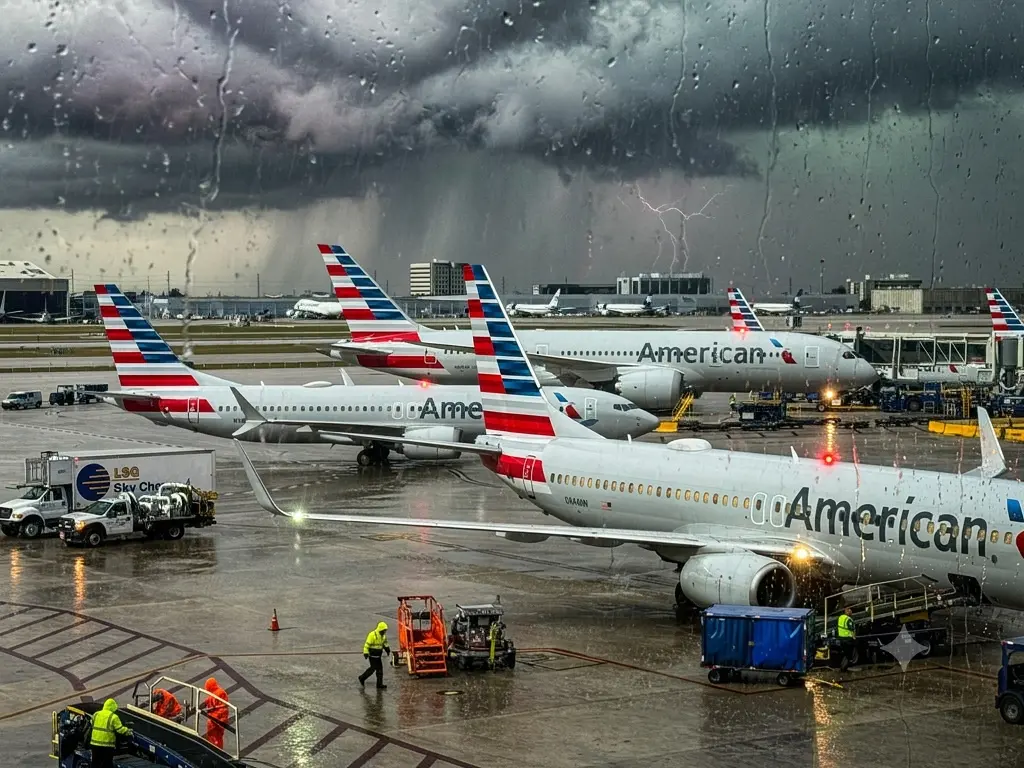 American Airlines Issues Travel Alert For Miami Airport Amid FAA Ground Stop Advisory
 American Airlines Extends Rebooking Options Amid Thanksgiving Storms
The seasonal migration creates a unique social ecosystem. Residents rely on each other for company, shared meals, and local knowledge. Parks often host organized activities, from bingo nights to group hikes. This structure helps newcomers settle in quickly.
The term snowbirddescribes people who spend winter in warmer climates. Most are over 55, though younger remote workers now join the ranks. They choose parks based on amenities, proximity to beaches or mountains, and community vibe. Long-stay discounts are standard, encouraging months-long stays.
What Happens When the Birds Fly South
Parks operate like small cities for a few months. They offer laundry facilities, swimming pools, and organized social events. The culture emphasizes mutual support. Older residents mentor newer arrivals, sharing tips on local attractions and park rules. This intergenerational exchange keeps the community tight-knit.
By late March or April, the migration reverses. RVs depart, and parks return to their off-season quiet. Staff downsize, and maintenance crews repair wear and tear. The cycle repeats annually, creating a predictable rhythm for both residents and park operators.
Looking ahead, the trend is growing. More people are choosing flexible work arrangements, expanding the snowbird demographic. Parks are adapting with better Wi-Fi and coworking spaces. The seasonal neighborhood model is evolving to meet modern needs while preserving its core community spirit.
Frequently Asked Questions
When do snowbird RV parks typically fill up? Parks begin filling in October and November. The peak season runs through March or early April, when residents start heading back north.
Who qualifies as a snowbird? Traditionally, snowbirds are retirees or semi-retirees seeking warm winter weather. Today, the group also includes remote workers and young professionals escaping cold climates.
What amenities do these parks offer? Most provide swimming pools, laundry facilities, and organized social events. Many now include high-speed internet and coworking areas to support remote work.