Unveiling Rome’s Culinary Heritage: A 2026 Food Tour Experience
From Ancient Markets to Modern Bites: The Evolution of Roman Street Food
A recent guided tour through Rome’s historic streets offered a fresh look at the city’s culinary traditions, revealing that Italian cuisine extends far beyond pizza and pasta. The excursion, which combined historical context with street‑food sampling, highlighted the diverse regional flavors that define Italy’s gastronomic identity.
Latest news
 FITUR 2027 Expansion Promises Record-Breaking Tourism Showcase
 Abu Dhabi Boosts Luxury Marine Tourism Through New Strategic Partnership
 U.S. Border Directive Blocks Canadian Worker From Flight
 Vermont-Quebec Border Crossing Faces Extended Closure for Upgrades
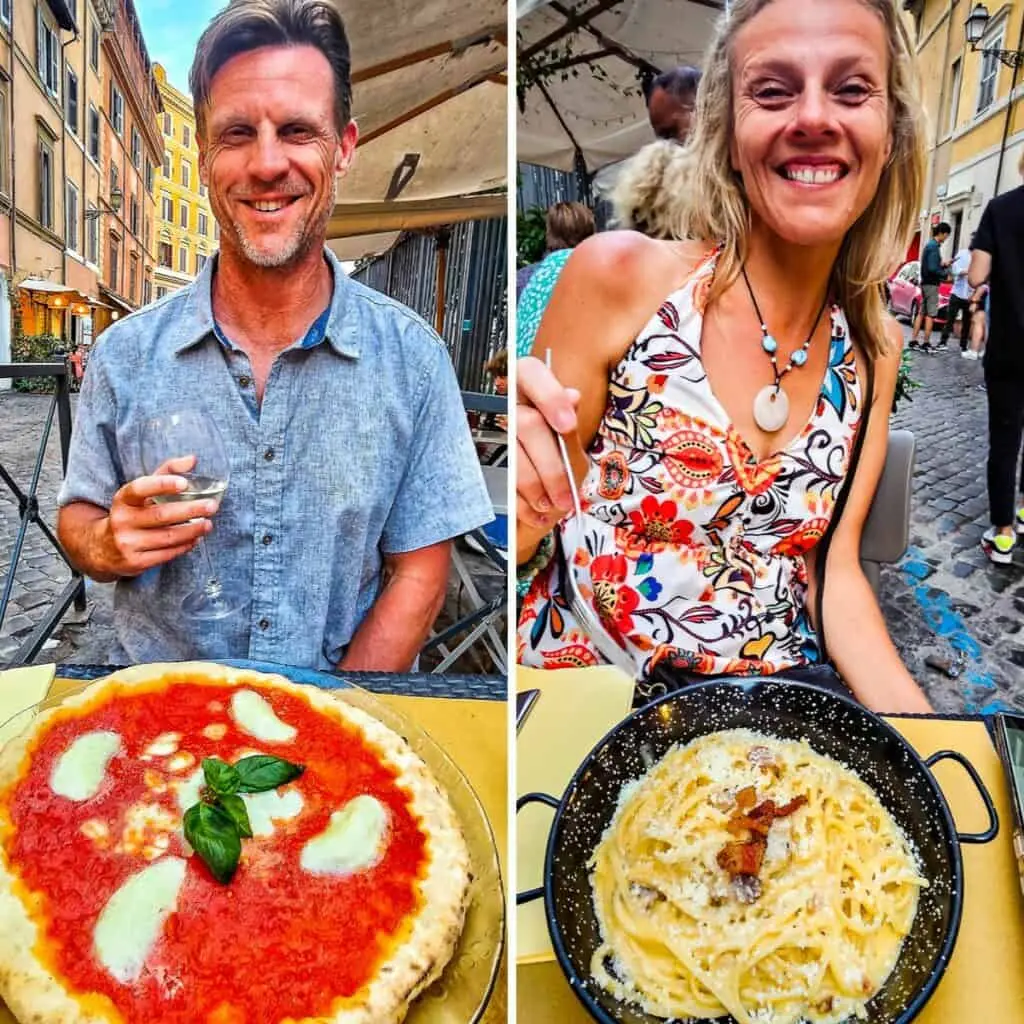
The tour began in the heart of Rome, where participants were introduced to the city’s culinary history and then guided to local vendors. Visitors tasted classic Roman dishes such as supplì, carbonara, and saltimbocca, while learning how each dish reflects the region’s agricultural produce and cultural influences. The guide explained that Italy’s lack of a single national cuisine stems from its varied geography and long history of regional autonomy.
How Does Regional Diversity Shape Italy’s Food Identity?
The tour traced the lineage of Roman street food back to the bustling markets of the Roman Forum, where merchants sold fresh produce and quick meals to citizens. Over centuries, these stalls evolved into the vibrant street‑food scene seen today. The guide highlighted how ingredients like olive oil, tomatoes, and cheeses have been staples since antiquity, yet their preparation has changed with technology and trade. Participants sampled freshly made pizza bianca, a thin dough topped with rosemary and sea salt, and discovered that its origins lie in the simple, affordable fare of Roman workers.
Local chefs emphasized the importance of seasonal ingredients, noting that many street‑food recipes are adapted to what is locally available. This adaptability has allowed Roman cuisine to maintain authenticity while embracing new culinary trends. The tour also showcased how modern chefs reinterpret traditional dishes, blending classic techniques with contemporary flavors to attract both locals and tourists.
What’s Next for Rome’s Food Scene?
Italy’s culinary landscape is a mosaic of regional specialties, each shaped by geography, climate, and history. In the north, dairy and wheat dominate, giving rise to dishes like risotto and polenta. In the south, olive oil and citrus fruits are prevalent, leading to lighter, zestier preparations. Rome sits at a crossroads, absorbing influences from both sides. The guide illustrated this by comparing Roman carbonara to the Neapolitan version, which uses guanciale instead of pancetta and omits cream. By tasting these variations, participants gained a deeper appreciation for how subtle ingredient changes can alter a dish’s character.
Frequently Asked Questions
The tour also addressed the modern challenges facing traditional street food, such as rising costs and competition from global fast‑food chains. Local vendors are responding by emphasizing quality, sustainability, and storytelling. One stall owner shared that she sources tomatoes from a nearby farm, ensuring freshness and supporting the local economy. These efforts help preserve Rome’s culinary heritage while adapting to contemporary demands.
Looking ahead, Rome’s food scene is poised to blend heritage with innovation. Culinary schools are incorporating street‑food techniques into their curricula, and chefs are experimenting with plant‑based alternatives to classic meats. Tourism authorities are promoting food tours as a way to experience authentic Roman culture, encouraging visitors to explore beyond the typical tourist spots. As the city continues to evolve, its culinary traditions remain a living testament to Italy’s rich history and regional diversity.