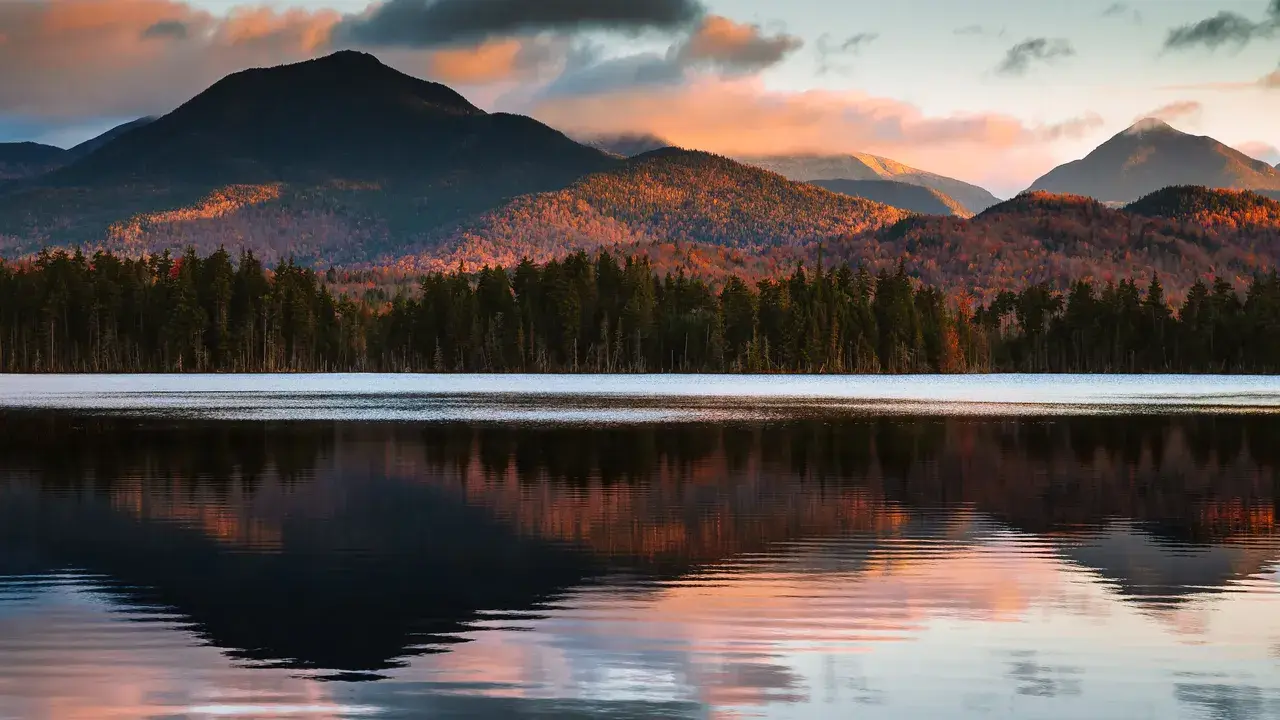
The Best Fall Foliage in the USA: A Guide to Where to Go This Autumn
Which States Offer the Longest Viewing Seasons?
As autumn arrives across the United States, landscapes transform into vibrant displays of red, gold, and yellow, drawing travelers to scenic routes and national parks from New England to the Pacific Northwest. Peak viewing typically occurs between late September and mid-October, depending on elevation and regional climate conditions. This seasonal spectacle offers a chance to witness nature’s annual color shift before winter sets in.
Latest news
 Exploring the Untamed Beauty of Northern Louisiana
 Beyond the Capital: British Tourism Chiefs Target Indian Visitors
 19 Unique Things to Do in Cape May, NJ
 A Local Says to Visit These 29 Farms in Puerto Rico
The intensity and timing of fall colors depend on factors such as temperature, rainfall, and daylight hours. Cool nights and sunny days encourage the production of anthocyanins, which create red and purple hues, while carotenoids reveal yellows and oranges as chlorophyll breaks down. Popular destinations include the Blue Ridge Parkway, Acadia National Park, and the Columbia River Gorge, where mixed hardwood forests create layered panoramas. Local tourism boards often provide weekly foliage trackers to help visitors plan trips around peak color.
How Does Climate Change Affect Fall Foliage?
States with diverse elevations and microclimates, such as Vermont, New Hampshire, and Colorado, often extend the foliage season due to staggered peak times across different areas. In Vermont, lower valleys may peak in early October while higher elevations change color weeks earlier. Similarly, in the Great Smoky Mountains, the display can last over a month as colors move down slopes. This variability allows travelers multiple opportunities to catch peak conditions even if they miss the ideal window in one location.
Rising average temperatures and shifting precipitation patterns are altering the timing and vibrancy of fall colors in some regions. Studies from the University of Massachusetts indicate that warmer delays in color onset have been observed in parts of the Northeast over recent decades. Drought stress can also cause leaves to brown and drop prematurely, reducing both the duration and brilliance of the display. Conservation efforts now include monitoring forest health to better understand long-term impacts.
When is the best time to see fall foliage in New England? Peak color in New England generally occurs from late September to mid-October, with northern areas like Maine and New Hampshire changing earlier than southern Connecticut and Massachusetts.
Frequently Asked Questions
Can I see good fall colors in the western United States? Yes, regions such as Colorado’s aspen groves, Utah’s canyons, and California’s eastern Sierra Nevada offer striking autumn displays, though the color palette may differ from eastern forests.
Do all trees change color in the fall? No, only deciduous trees shed their leaves and show fall color; evergreens like pines and firs retain their needles year-round and do not participate in the seasonal transformation.
Content written by Amelia Stone for travel-good.com editorial team, AI-assisted.