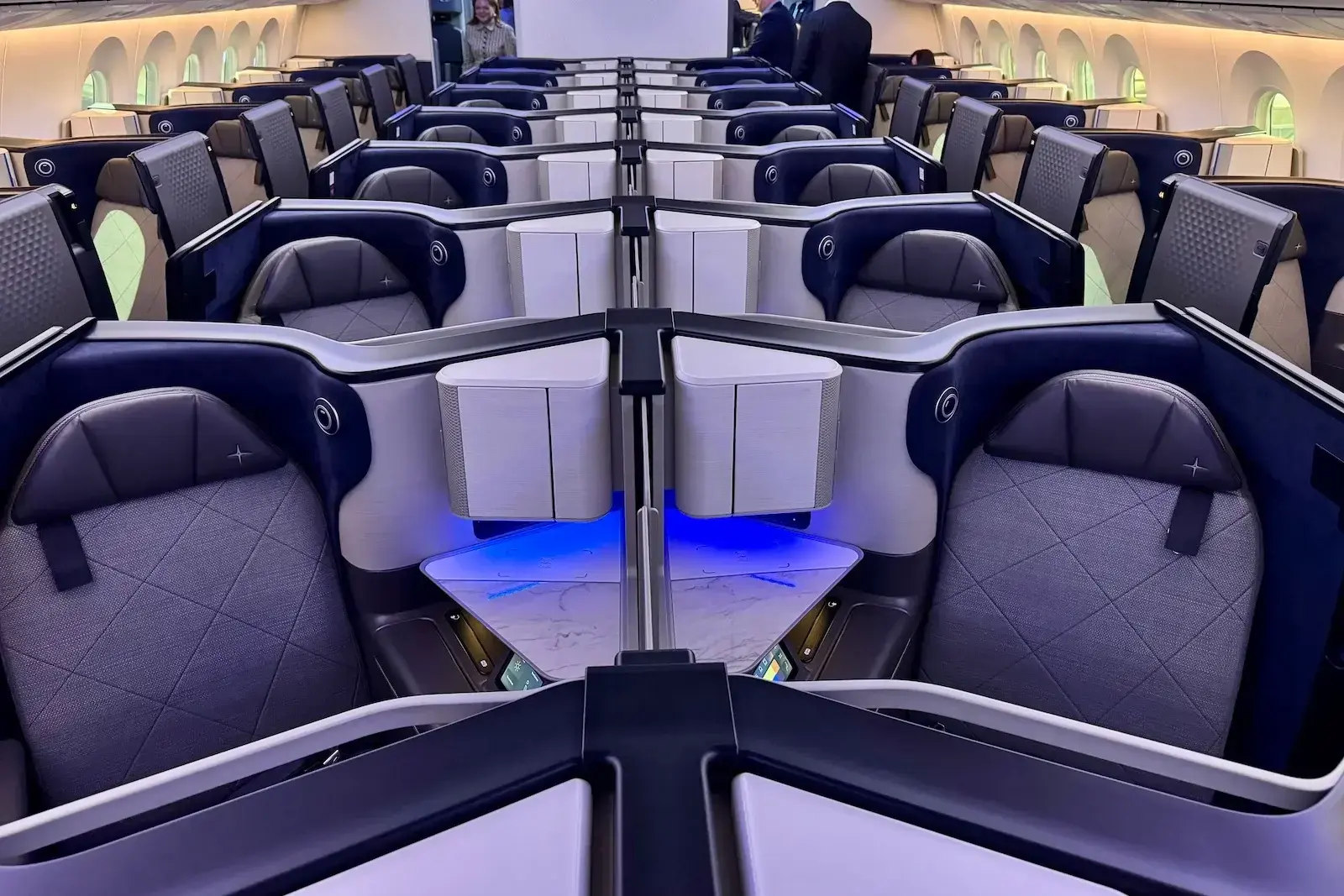
United Airlines Introduces New Fare Options for Premium
New Fare Structure and Restrictions
United Airlines has unveiled new fare categories for its premium seating options, expanding choices for travelers. This change affects the airline's Polaris and Premium Plus tickets, providing additional fare types with stricter limitations. The announcement comes as part of a broader strategy to enhance customer options while maintaining profitability.
Latest news
 Exploring the Untamed Beauty of Northern Louisiana
 Beyond the Capital: British Tourism Chiefs Target Indian Visitors
 19 Unique Things to Do in Cape May, NJ
 A Local Says to Visit These 29 Farms in Puerto Rico
The introduction of these basic fare options mirrors the airline's previous rollout of basic economy tickets. By implementing these new tiers, United aims to attract a wider range of customers who may be looking for more budget-friendly choices in business class. The airline's decision reflects a growing trend in the industry, where airlines are increasingly segmenting their offerings to cater to diverse passenger needs.
The new fare categories will include lower-priced options that come with various restrictions. For instance, passengers purchasing these basic tickets may not earn frequent flyer miles or have access to certain benefits typically associated with premium travel. This shift may lead to frustration among travelers who expect the perks that come with higher-priced tickets.
United is positioning these basic fares as an alternative for those who prioritize cost over additional amenities. The airline hopes this strategy will draw in price-sensitive customers while still maintaining its premium status. However, critics argue that the lack of rewards and benefits could deter frequent travelers who value the experience that comes with business class.
Customer Reactions and Industry Implications
Responses from travelers have been mixed since the announcement. Some appreciate the option to fly at a lower price point, while others express concern over the reduced benefits. Frequent flyers, in particular, are wary of the potential loss of perks that enhance their travel experience.
As airlines continue to navigate the post-pandemic landscape, these changes could have lasting implications for customer loyalty. United's new fare structure may encourage other airlines to adopt similar models, further altering the dynamics of premium travel.
Looking ahead, the success of United's basic premium fares will depend on how well they balance cost and customer satisfaction. As travelers adapt to these changes, United will need to monitor feedback closely to ensure they meet the evolving demands of their clientele.
Content written by Amelia Stone for travel-good.com editorial team, AI-assisted.