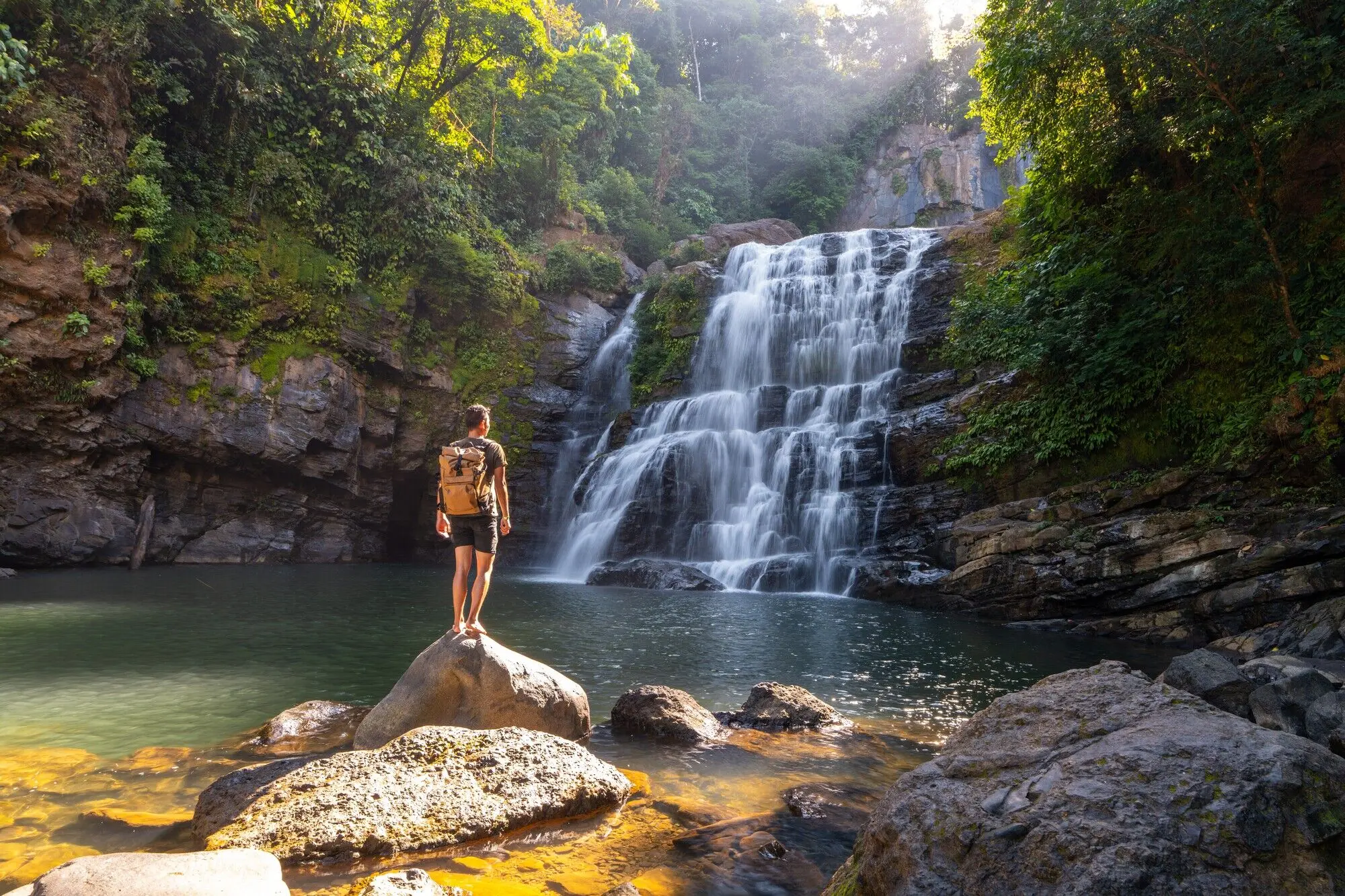
Uvita: A Hidden Gem Beyond the Beach in Costa Rica
Why Uvita’s Inland Location Enhances the Experience
Nestled just inland from Costa Rica’s southern Pacific coast, Uvita offers travelers a refreshing alternative to crowded beach towns. This quiet community, part of the larger Bahía Ballena region, blends lush rainforest access with proximity to marine wonders like Marino Ballena National Park. Solo traveler and photographer Pete R., drawing from over 13 years of exploring Central America, shares why Uvita stands out as a destination for those seeking authenticity over typical tourist trails.
Latest news
 U.S. Ski Resorts Skip Ottawa Convention Amid Canadian Tourism Slump
 Exploring the Untamed Beauty of Northern Louisiana
 Beyond the Capital: British Tourism Chiefs Target Indian Visitors
 19 Unique Things to Do in Cape May, NJ
What makes Uvita special is its balance between accessibility and tranquility. Unlike more developed coastal hubs, the town maintains a laid-back pace where local life unfolds openly—think family-run sodas serving fresh casados and morning markets brimming with tropical fruit. Its location slightly removed from the shoreline means fewer high-rise resorts and more opportunities to connect with nature, whether through hiking trails leading to waterfalls like Nauyaca or kayaking through mangrove estuaries teeming with birdlife. Pete emphasizes that this positioning allows visitors to experience both jungle and ocean ecosystems without sacrificing comfort.
How Do Travelers Avoid Common Pitfalls in Uvita?
Being set back from the immediate coastline isn’t a drawback—it’s a strategic advantage. Travelers gain easier access to inland adventures such as horseback riding through primary rainforest or visiting indigenous Boruca communities known for their vibrant mask-making traditions. Meanwhile, the famous whale tail-shaped sandbar at Playa Uvita remains just a short drive or bike ride away, especially accessible during low tide when Marino Ballena National Park reveals its iconic geological feature. Pete notes that this duality lets visitors tailor their days: mornings spent exploring cloudforest trails and afternoons cooling off in the Pacific, all without long transit times between activities.
Frequently Asked Questions
Timing and preparation are key to maximizing a visit. Pete advises avoiding the peak dry season crowds by traveling in May or November—shoulder months that offer fewer tourists, lush greenery from recent rains, and better wildlife spotting opportunities. He also stresses the importance of packing insect repellent and quick-dry clothing, given the region’s humidity and frequent afternoon showers. For those hoping to witness the annual humpback whale migration, planning between August and October increases chances of sightings, though responsible tour operators should always be chosen to minimize disturbance to marine life.
Is Uvita suitable for families with young children? Yes, the town’s calm atmosphere, shallow swimming areas at certain beaches, and accessible nature trails make it welcoming for families, though parents should supervise closely near rivers and during hikes. Do I need a car to get around Uvita? While the town center is walkable, having a rental vehicle provides flexibility to reach distant attractions like waterfalls or remote beaches, though taxis and local buses are available for shorter trips. Can I visit Uvita as a day trip from nearby destinations like Dominical or Quepos? Absolutely—many travelers combine Uvita with stops along the Costa Ballena corridor, spending half a day exploring its highlights before continuing south or north along the coast.
Content written by Amelia Stone for travel-good.com editorial team, AI-assisted.