Yellowstone Visitors Harass Wildlife After Recent Bison Attack
Why Do Visitors Ignore Safety Warnings?
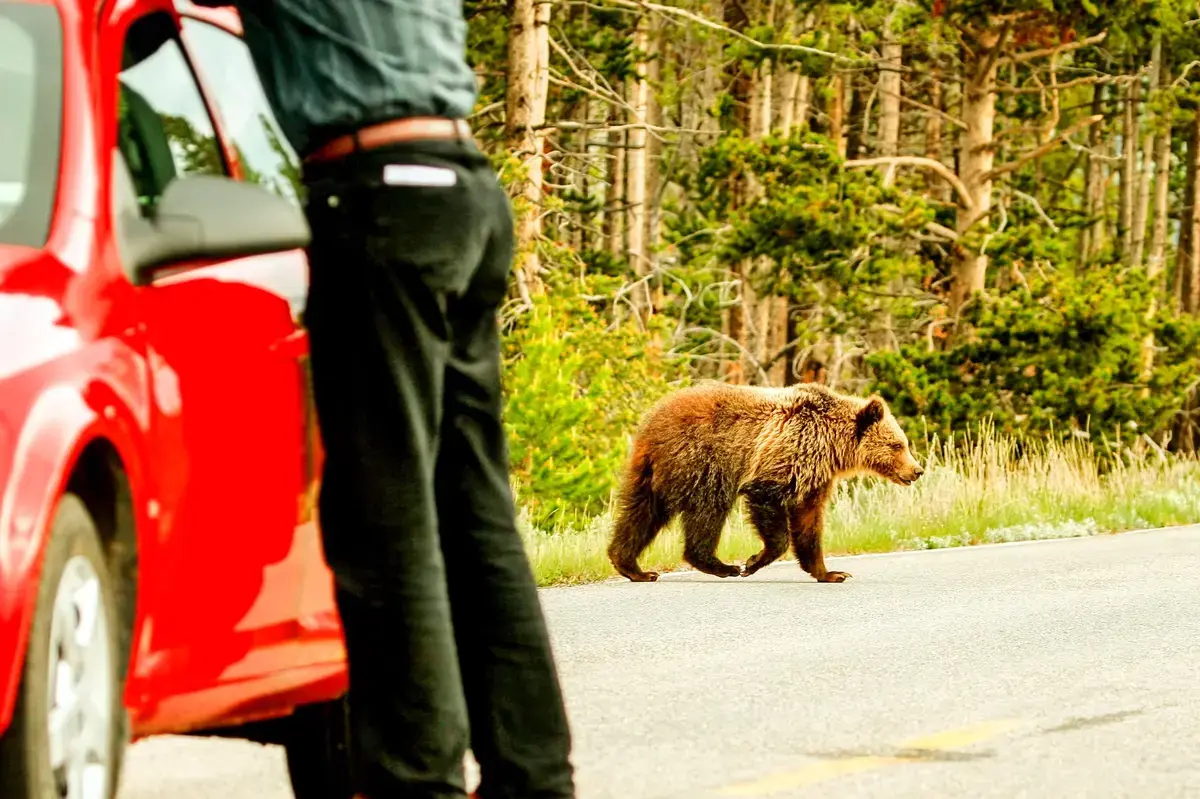
A troubling incident unfolded recently in Yellowstone National Park. Tourists were seen actively pursuing a mother bear and her cubs. This reckless behavior occurred just days after a bison severely injured a park visitor.
Latest news
 19 Unique Things to Do in Cape May, NJ
 A Local Says to Visit These 29 Farms in Puerto Rico
 21 Best Things to Do in Yakima (By a Local)
 Solo Travel for Women: Practical Tips and Inspiring Destinations
The incident highlights a persistent problem with visitor conduct in national parks. Despite clear warnings, some individuals continue to disregard wildlife safety guidelines. Such actions endanger both animals and people.
Park officials consistently advise visitors to maintain safe distances from wildlife. Signs and brochures detail these regulations throughout Yellowstone. Yet, some tourists prioritize getting a closer look or a better photo. This often leads to dangerous encounters, like the recent bison attack. The woman involved in that incident was tossed into the air after approaching the animal too closely.
What Are the Consequences of Such Actions?
Experts suggest a combination of factors contributes to this behavior. A lack of understanding about wild animal behavior is one. Others believe some visitors feel entitled to unique experiences, even if it means breaking rules. The desire for viral social media content also plays a role.
Harassing wildlife can lead to severe penalties, including fines and park bans. More importantly, it can stress animals, altering their natural behaviors. In some cases, animals may need to be relocated or, tragically, euthanized if they become too habituated or aggressive towards humans. This puts a strain on park resources and compromises the park's mission of conservation.
The recent events underscore the need for continued public education. Park rangers work tirelessly to ensure visitor safety and wildlife protection. However, their efforts are undermined when visitors act irresponsibly. Respecting wildlife and following park rules are crucial for everyone's safety and the preservation of these natural treasures.
Frequently Asked Questions
How close should visitors get to wildlife in Yellowstone? Park regulations require visitors to stay at least 25 yards (23 meters) from most large animals like bison and elk. For bears and wolves, the safe distance increases to 100 yards (91 meters).
What should someone do if they encounter wildlife too closely? If you find yourself too close to an animal, slowly and calmly back away. Avoid sudden movements or loud noises that could startle the animal. Never run, as this might trigger a chase response.
Are there consequences for harassing wildlife in national parks? Yes, harassing wildlife in national parks is illegal and can result in significant fines, court appearances, and even jail time. Violators may also face bans from national parks.
Content written by Marco Ricci for travel-good.com editorial team, AI-assisted.