
Discover the Antarctic Peninsula: 50 Must‑See Spots on a Cruise
Penguins and Marine Life: A Living Showcase
A 2026 guide to the most unforgettable sights on a voyage along the Antarctic Peninsula, from bustling penguin colonies to abandoned research outposts.
Latest news
 Delta Flight 2531 Forced to Declare Emergency After Passenger Disturbance
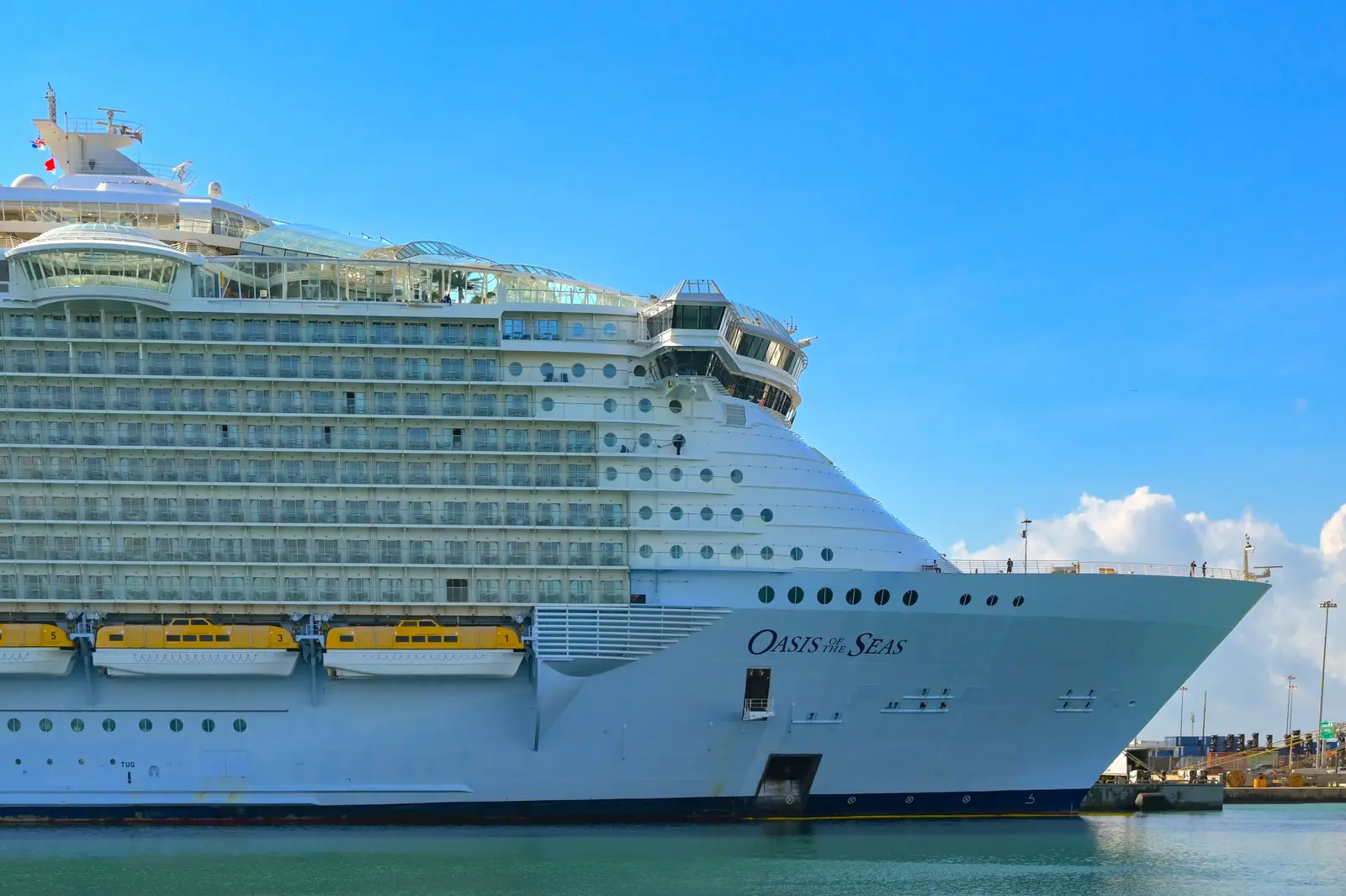 Royal Caribbean Cruise Diverts From Bahamas To Canada Amid Weather Concerns
 Chapel of Expiation: A Silent Witness to France’s Revolution
 Lufthansa to Launch Columbus‑Frankfurt Direct Flights in 2027
The Antarctic Peninsula has become a popular destination for adventure travelers. In 2022, a cruise ship crossed the treacherous Drake Passage, then glided southward along the peninsula’s rugged coast. The journey offered passengers a front‑row seat to the continent’s most iconic wildlife and historic sites.
The peninsula’s dramatic landscape is a mosaic of towering ice cliffs, black volcanic peaks, and endless stretches of sea ice. Visitors can witness massive colonies of gentoo and Adélie penguins, the elusive emperor penguins nesting on the ice, and the haunting remnants of early 20th‑century research stations. The combination of natural beauty and human history makes the Peninsula a living museum of polar exploration.
The Ghosts of Early Exploration: Abandoned Research Stations
The peninsula is home to more than 10 million penguins, making it one of the world’s richest breeding grounds. Gentoo penguins, with their bright orange beaks, dominate the coastal colonies, while Adélie penguins nest in dense, muddy heaps. Emperor penguins, the largest of the species, are rarely seen but can be spotted near the ice shelves during the breeding season.
Beyond penguins, the waters teem with seals, whales, and sea birds. Weddell seals haul out on the ice, while humpback whales breach the calm Southern Ocean. Birdwatchers can spot the rare Antarctic petrel and the striking snow petrel, both nesting on the peninsula’s cliffs.
The Peninsula’s history is etched into abandoned research outposts scattered along its coast. Old huts, once bustling with scientists, now lie silent and weather‑worn. The ruins of the 1912–1913 Scott expedition’s base, for example, offer a stark reminder of the harsh conditions early explorers faced.
Is the Peninsula Sustainable for Tourism?
These sites provide a tangible link to the past, allowing visitors to imagine the daily lives of those who first studied the continent’s climate and wildlife. Walking among the crumbling structures, travelers feel the weight of history and the resilience required to endure the extreme environment.
The influx of cruise ships raises concerns about environmental impact. Melting ice and rising temperatures already threaten the fragile ecosystem. To mitigate damage, many tour operators have adopted strict guidelines: limiting the number of visitors per site, enforcing a no‑touch policy with wildlife, and ensuring waste is removed from the continent.
Local authorities also monitor the health of penguin colonies, tracking breeding success and population changes. This data informs future regulations and helps protect the peninsula’s biodiversity.
The future of Antarctic tourism depends on balancing adventure with conservation. Continued research and responsible travel practices will be essential to preserve this unique landscape for generations to come.
Frequently Asked Questions
What is the best time of year to visit the Antarctic Peninsula? The peak season is from late October to early March, when temperatures are milder and wildlife activity is highest.
Can I see emperor penguins on a cruise? Yes, but only during the breeding season (June to August). They nest on the ice, so sightings are limited and require careful navigation.
How do cruise ships minimize their environmental footprint? Operators follow strict guidelines: restricting visitor numbers, enforcing wildlife distance rules, and ensuring all waste is removed from the continent.
Content written by Peter Watson for travel-good.com editorial team, AI-assisted.