The Peninsula Shanghai: A 1920s‑style Oasis in Modern China
A Design That Bridges Eras
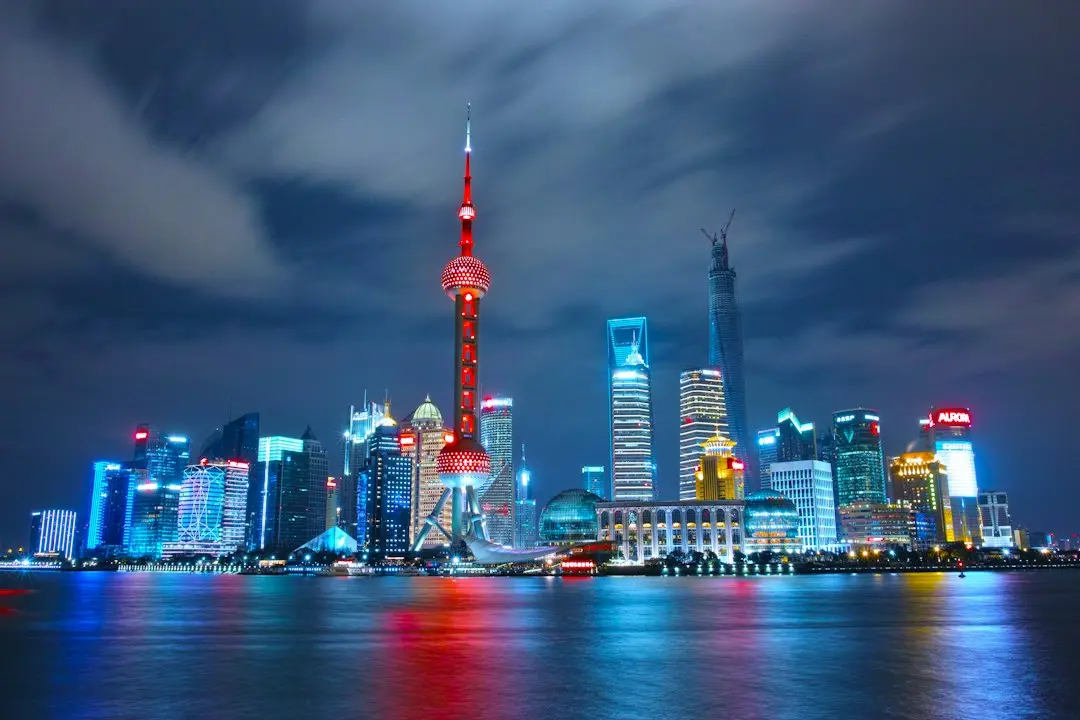
The Peninsula Shanghai opened its doors in 2015, offering guests a blend of historic elegance and contemporary luxury. Located on the western bank of the Huangpu River, the hotel sits opposite the glittering skyline of Pudong, providing sweeping views of landmarks such as the Oriental Pearl Tower and the Shanghai Tower. Its design embraces an Art Deco aesthetic, evoking the glamour of the Roaring Twenties.
Latest news
 Delta Flight 2531 Forced to Declare Emergency After Passenger Disturbance
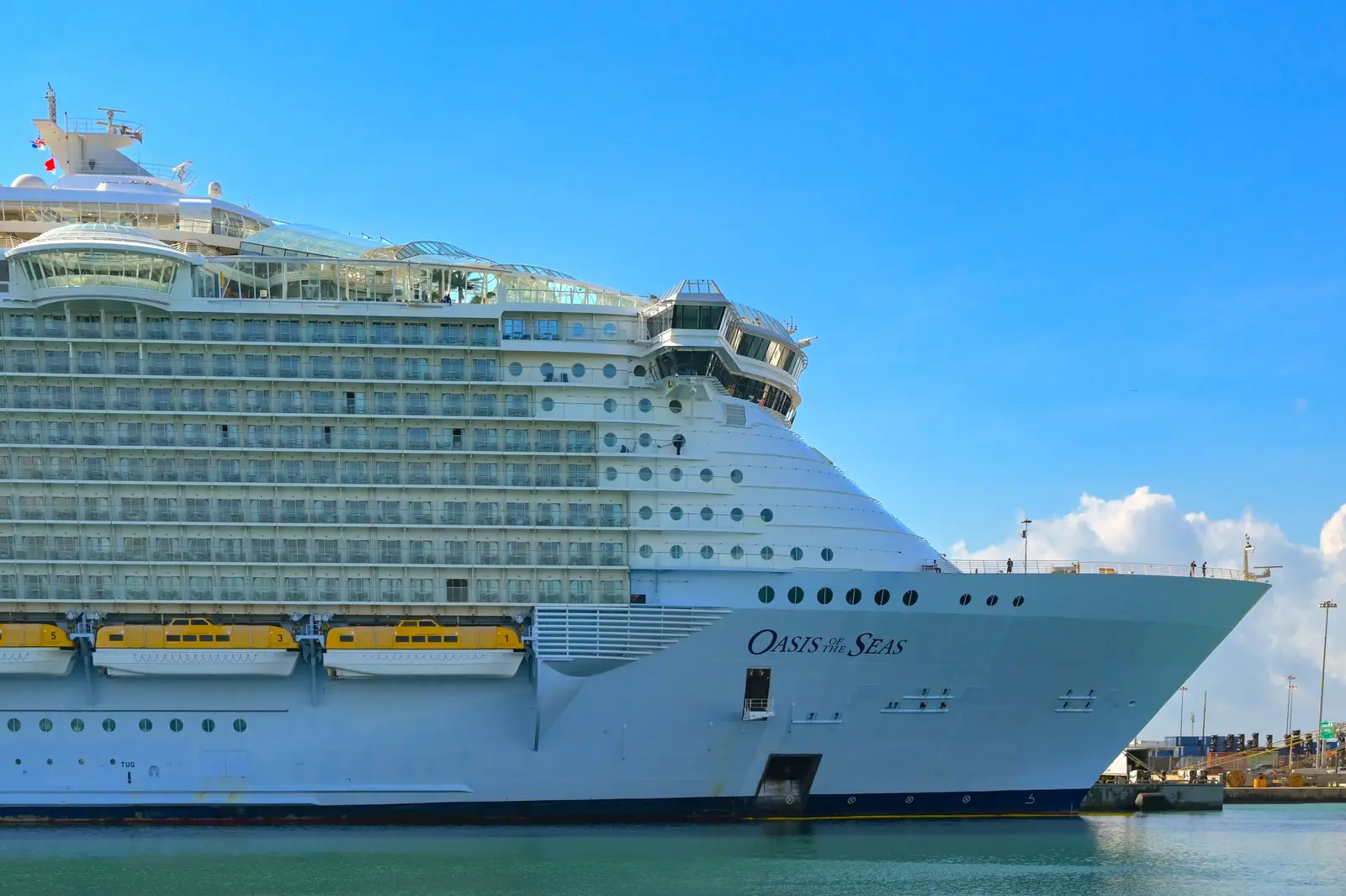 Royal Caribbean Cruise Diverts From Bahamas To Canada Amid Weather Concerns
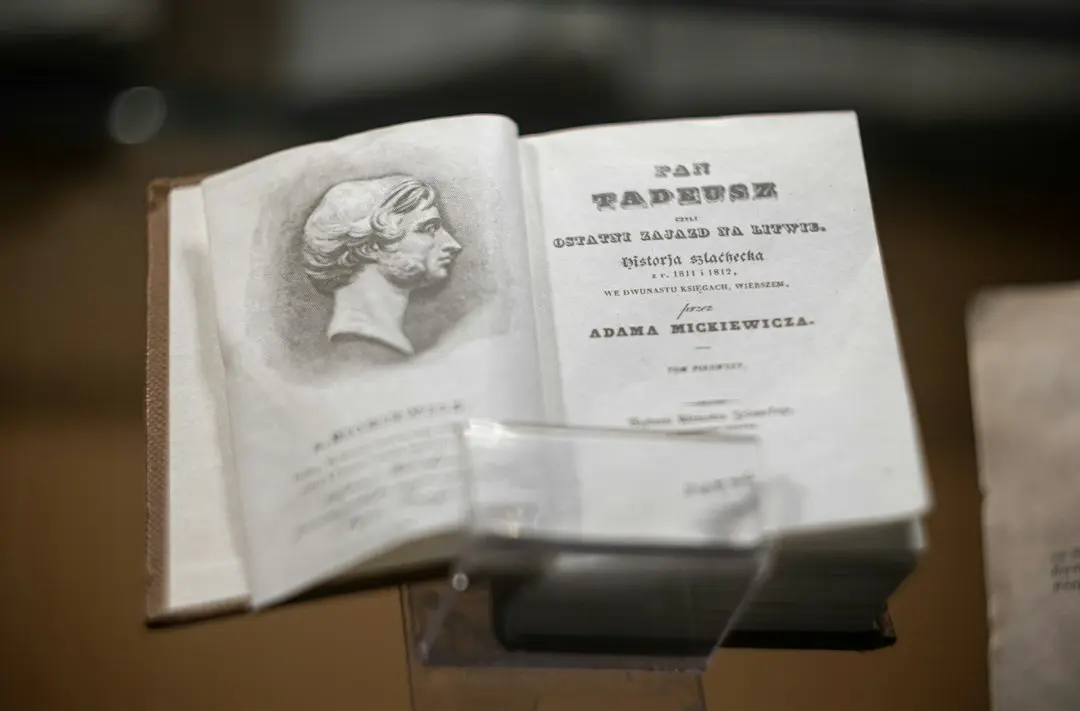 Chapel of Expiation: A Silent Witness to France’s Revolution
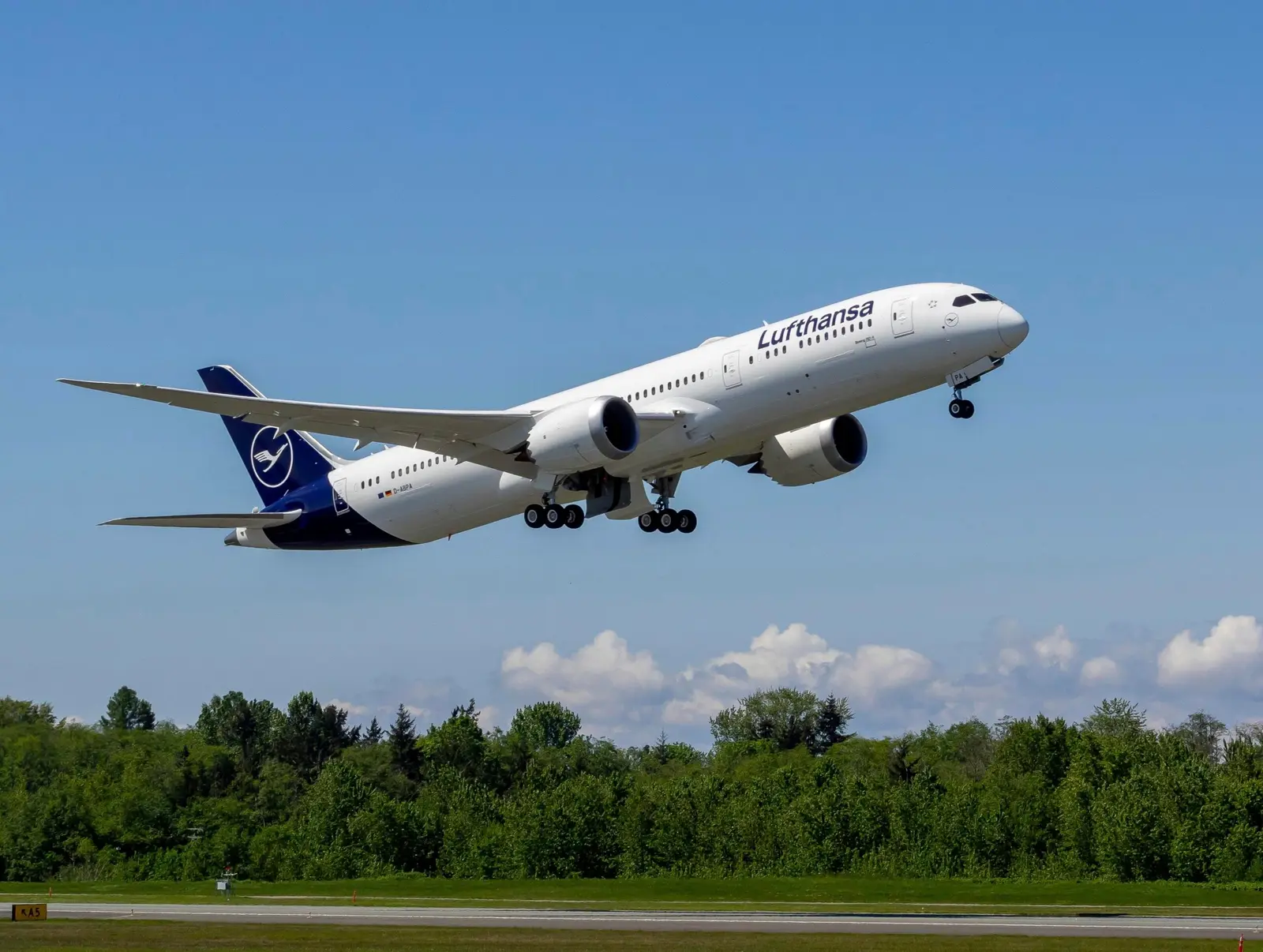 Lufthansa to Launch Columbus‑Frankfurt Direct Flights in 2027
The hotel’s architecture and interior décor draw heavily on early twentieth‑century motifs. Rich wood paneling, brass fixtures, and vintage lighting fixtures create a nostalgic atmosphere, while high‑tech amenities ensure modern comfort. The Peninsula’s team emphasizes „old‑school hospitality,” with personalized service and attention to detail that harks back to an earlier era of travel. Guests can enjoy panoramic city views from the rooftop bar, a luxurious spa, and meticulously curated rooms that blend classic furnishings with contemporary technology.
How Does the Hotel Appeal to Today’s Travelers?
From the moment guests step through the grand lobby, they are transported to a bygone era. The lobby’s soaring ceilings and ornamental plasterwork echo the grandeur of 1920s hotels, while floor‑to‑ceiling windows frame the river and the skyline. The interior designers sourced period‑appropriate furnishings from archives and antique dealers, ensuring authenticity. Yet every room is equipped with the latest smart‑room controls, high‑speed Wi‑Fi, and noise‑cancelling technology, allowing guests to enjoy both nostalgia and convenience.
The Peninsula’s culinary offerings also reflect this blend. The restaurant menu features classic dishes with a modern twist, and the bar serves vintage cocktails alongside contemporary drinks. The hotel’s attention to detail extends to its concierge services, where staff are trained to anticipate guests’ needs with the same attentiveness that would have been expected in a 1920s luxury hotel.
What Is the Future for Luxury Hotels in China?
The Peninsula Shanghai targets affluent tourists and business travelers seeking a unique experience. Its prime riverside location offers unobstructed views of the city’s most iconic structures, making it an ideal backdrop for photos and events. The hotel’s reputation for personalized service attracts high‑profile guests, including celebrities, corporate executives, and dignitaries. Additionally, the hotel’s emphasis on wellness—through its award‑winning spa and fitness center—cater to wellness‑conscious travelers.
The hotel’s success can also be measured by its occupancy rates and guest reviews. Travelers frequently praise the seamless blend of historic charm and modern luxury, noting that the hotel feels „timeless.” The Peninsula’s marketing strategy highlights its heritage design and exceptional service, positioning it as a premium destination in Shanghai’s competitive hospitality market.
As China’s tourism industry continues to grow, luxury hotels are increasingly incorporating heritage themes to differentiate themselves. The Peninsula Shanghai demonstrates that blending historical aesthetics with contemporary amenities can attract a discerning clientele. Other hotels may follow suit, creating niche experiences that appeal to both domestic and international travelers. The trend also encourages collaboration with local artisans and heritage preservation groups, ensuring that cultural authenticity remains central.
Frequently Asked Questions
The Peninsula’s continued success will likely influence the design of future luxury properties in Shanghai and beyond. By marrying the elegance of the 1920s with the demands of modern travelers, the hotel sets a new standard for luxury hospitality in China.
Q: Which city landmarks can guests view from the hotel? A: From the riverside location, guests can see the Oriental Pearl Tower, Shanghai Tower, and the „Bottle Opener” skyline of Pudong.
Content written by Samuel Mathewson for travel-good.com editorial team, AI-assisted.