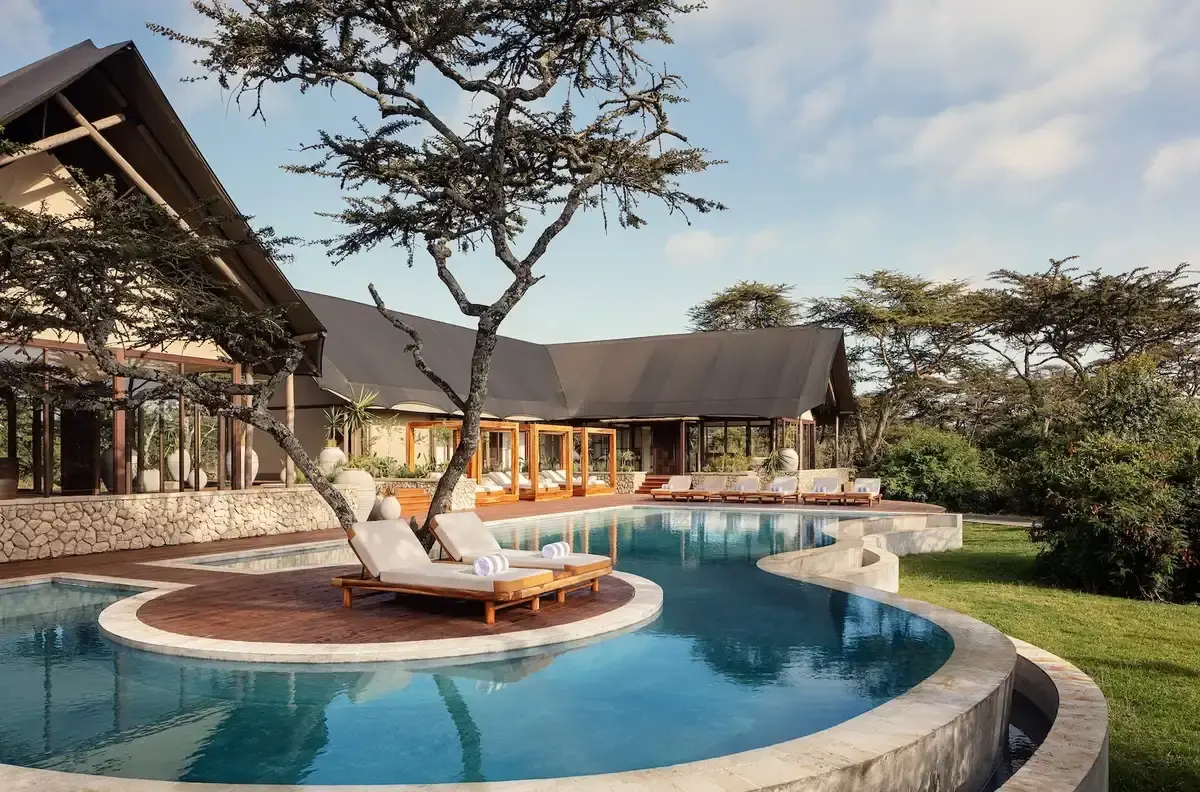
JW Marriott Opens Safari Camp in Kenya's Private Conservancy
Conservation Efforts in Action
The JW Marriott Mount Kenya Rhino Reserve Safari Camp has opened on a 45,000-acre private conservancy in Kenya. This highly anticipated hotel is a significant addition to the country's tourism industry. Located in a pristine natural setting, the camp offers guests a unique safari experience.
Latest news
 Delta Flight 2531 Forced to Declare Emergency After Passenger Disturbance
 Royal Caribbean Cruise Diverts From Bahamas To Canada Amid Weather Concerns
 Chapel of Expiation: A Silent Witness to France’s Revolution
 Lufthansa to Launch Columbus‑Frankfurt Direct Flights in 2027
The camp's location on a private conservancy provides a safe haven for wildlife, particularly rhinos. The conservancy is home to a diverse range of flora and fauna, offering guests an immersive experience in nature. With its luxurious amenities and stunning natural surroundings, the JW Marriott Mount Kenya Rhino Reserve Safari Camp is poised to become a top destination for travelers.
What Does This Mean for Sustainable Tourism?
The JW Marriott Mount Kenya Rhino Reserve Safari Camp is more than just a luxurious getaway – it's also a hub for conservation efforts. The camp is situated on a private conservancy that is dedicated to protecting endangered species, particularly rhinos. By staying at the camp, guests are directly supporting conservation efforts and contributing to the protection of Kenya's wildlife.
Frequently Asked Questions
As tourism continues to grow in Kenya, the JW Marriott Mount Kenya Rhino Reserve Safari Camp sets a new standard for sustainable tourism. By combining luxury with conservation, the camp offers a unique model for environmentally responsible travel. But what does this mean for the future of tourism in Kenya, and how can other hotels follow suit?
The opening of the JW Marriott Mount Kenya Rhino Reserve Safari Camp has significant implications for Kenya's tourism industry. With its focus on conservation and sustainability, the camp is likely to attract a new generation of travelers who prioritize environmentally responsible travel. As the tourism industry continues to evolve, it will be interesting to see how other hotels and resorts follow suit.
Content written by Sophie Chen for travel-good.com editorial team, AI-assisted.