
Swiss “Lift Safari” Lets Travelers Glide to Alpine Trails
Riding the Buiräbähnli: A Quirky Mountain Tram
Ailsa Sheldon embarked on a „lift safari” this summer, traveling across Engelberg’s high alpine region using a patchwork of tiny cable cars, aging gondolas, and remote post buses. The journey began in early July, linking villages and peaks without a single footstep on the trail.
Latest news
 Delta Flight 2531 Forced to Declare Emergency After Passenger Disturbance
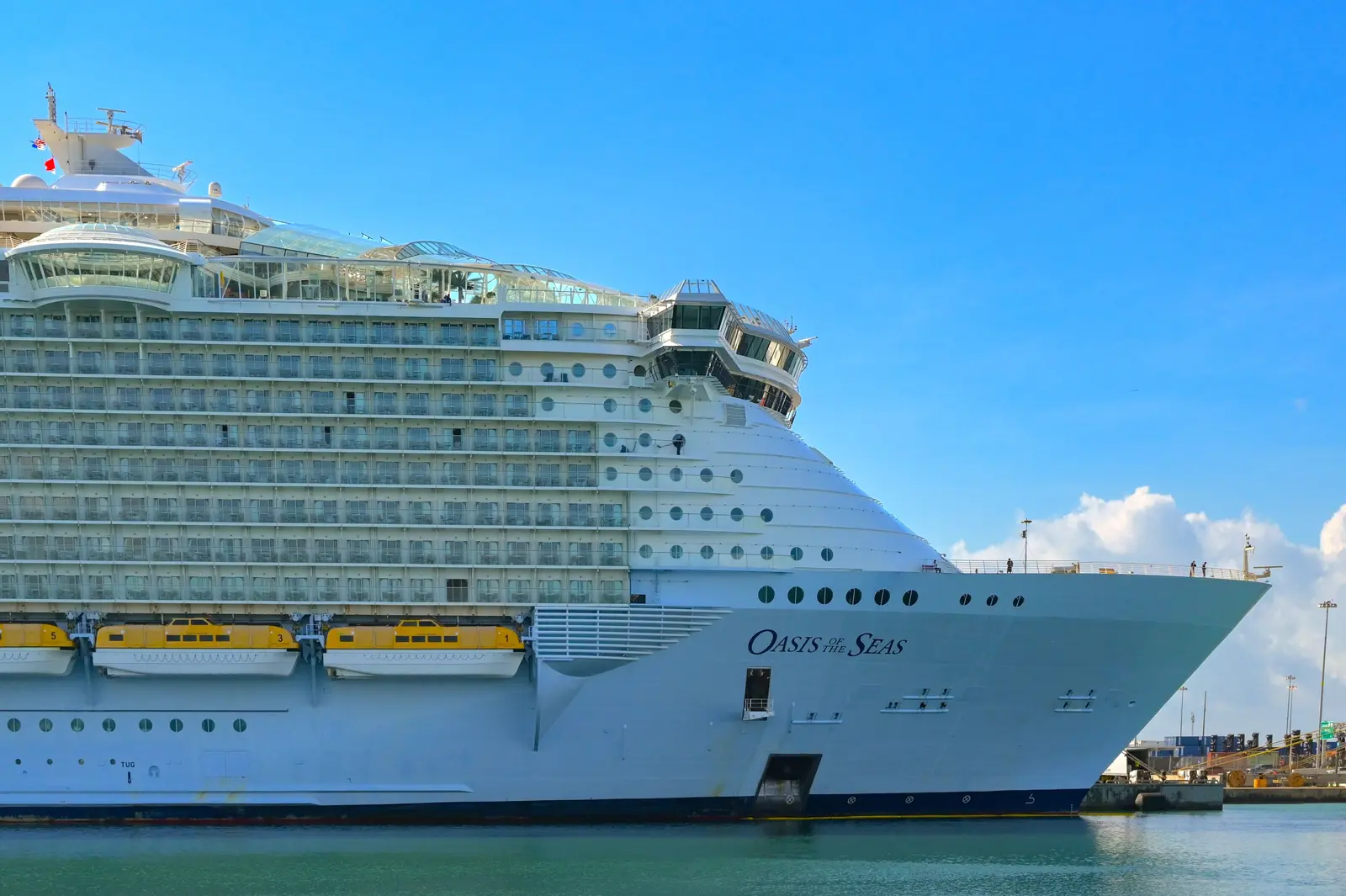 Royal Caribbean Cruise Diverts From Bahamas To Canada Amid Weather Concerns
 Chapel of Expiation: A Silent Witness to France’s Revolution
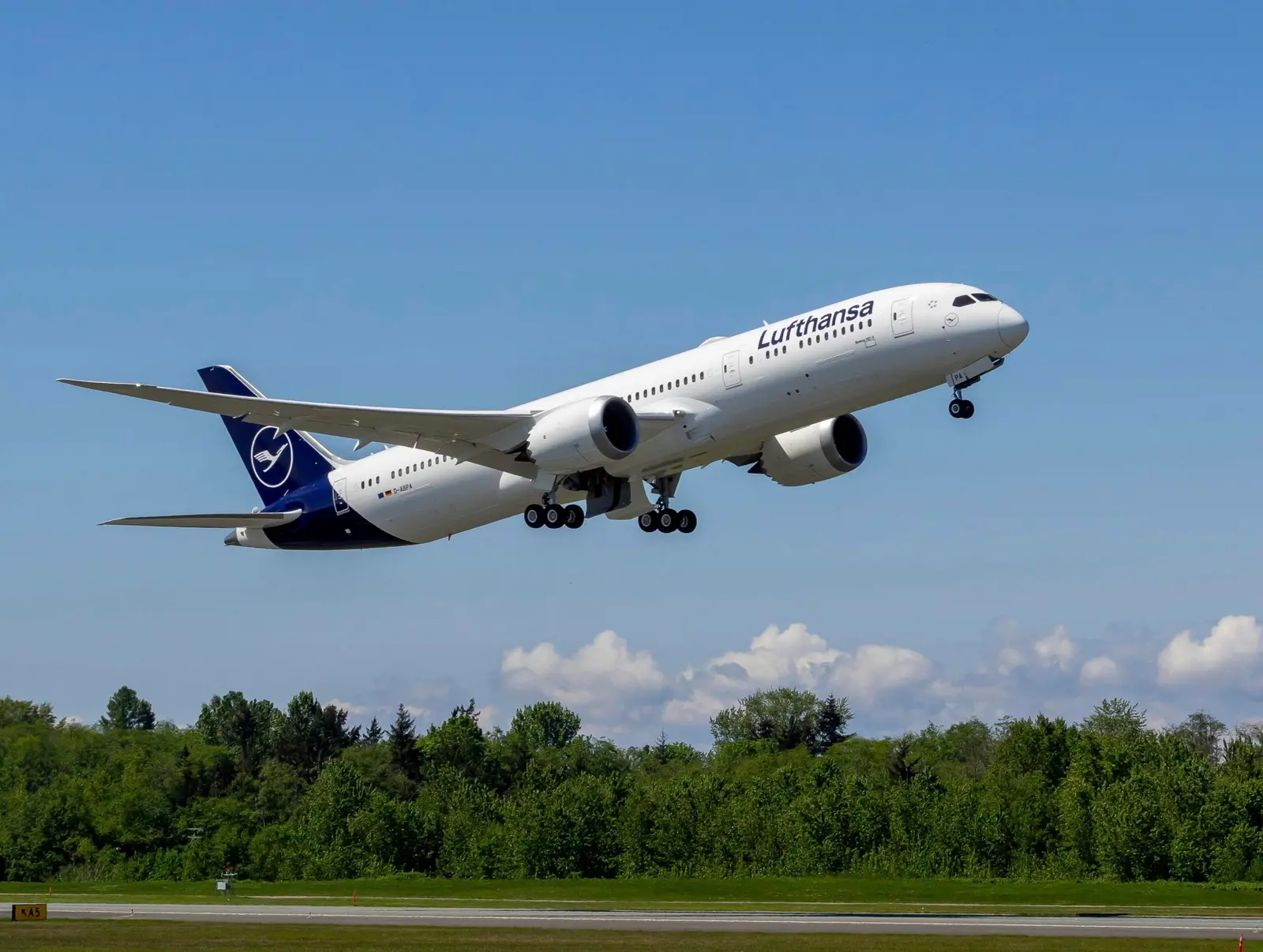 Lufthansa to Launch Columbus‑Frankfurt Direct Flights in 2027
Sheldon’s adventure showcases how Switzerland’s extensive lift network opens rugged terrain to non‑hikers. By hopping from one modest aerial tram to the next, she accessed remote valleys, glacier viewpoints, and alpine pastures that usually demand strenuous trekking. The experience highlights the country’s commitment to inclusive mountain tourism and the ingenuity of its transport heritage.
The centerpiece of the safari is the Buiräbähnli, a narrow, vintage tram that clatters up steep inclines like a mechanical goat. Its wooden seats creak, and the panoramic windows reveal jagged peaks that seem within arm’s reach. Sheldon describes the ascent as „a nervous thrill, the cabin shaking as it climbs, yet offering unrivaled views of snow‑capped ridges.”
Can Tourists Really Access Alpine Trails Without a Hike?
The tram’s route weaves through dense pine forests before emerging onto a sun‑lit plateau. Along the way, small stations appear like hidden gems, each offering a brief pause for photos or a sip of hot chocolate. Local operators maintain the line with pride, preserving its historic charm while ensuring safety for modern passengers.
Yes, the lift safari proves that high‑altitude landscapes are no longer exclusive to seasoned mountaineers. By combining multiple transport modes, visitors can reach trailheads that would otherwise require days of walking. The system also reduces environmental impact, as fewer hikers tread fragile ecosystems.
Sheldon notes that the ease of access encourages a broader audience to appreciate alpine beauty. Families, seniors, and those with limited mobility can now stand on glacier edges or watch marmots scamper across meadows. However, operators stress the importance of respecting mountain etiquette, keeping noise low, and staying on designated platforms.
The lift safari model may inspire other alpine regions to develop similar networks, balancing tourism growth with conservation. As climate change reshapes mountain environments, flexible transport solutions could become vital for preserving access while protecting vulnerable habitats.
Frequently Asked Questions
What transport modes are included in the lift safari? The safari combines small cable cars, historic gondolas, post‑bus routes, and the Buiräbähnli tram, all coordinated to reach remote alpine spots.
Is the experience suitable for children and seniors? Yes, the lifts are designed for comfort and safety, making high‑altitude views accessible to people of all ages and abilities.
Do participants need special equipment or training? No special gear is required; travelers only need a valid ticket and a willingness to enjoy the scenery from the lifts.
Content written by James Walker for travel-good.com editorial team, AI-assisted.