
Chiang Mai: A Royal City’s Enduring Appeal
A City Steeped in History and Tradition
Chiang Mai, a city in northern Thailand, held a special place in the heart of the late King Bhumibol Adulyadej. He favored it among Thailand’s urban areas. This preference shaped the city’s development, creating a unique atmosphere distinct from other Thai cities.
Latest news
 Delta Flight 2531 Forced to Declare Emergency After Passenger Disturbance
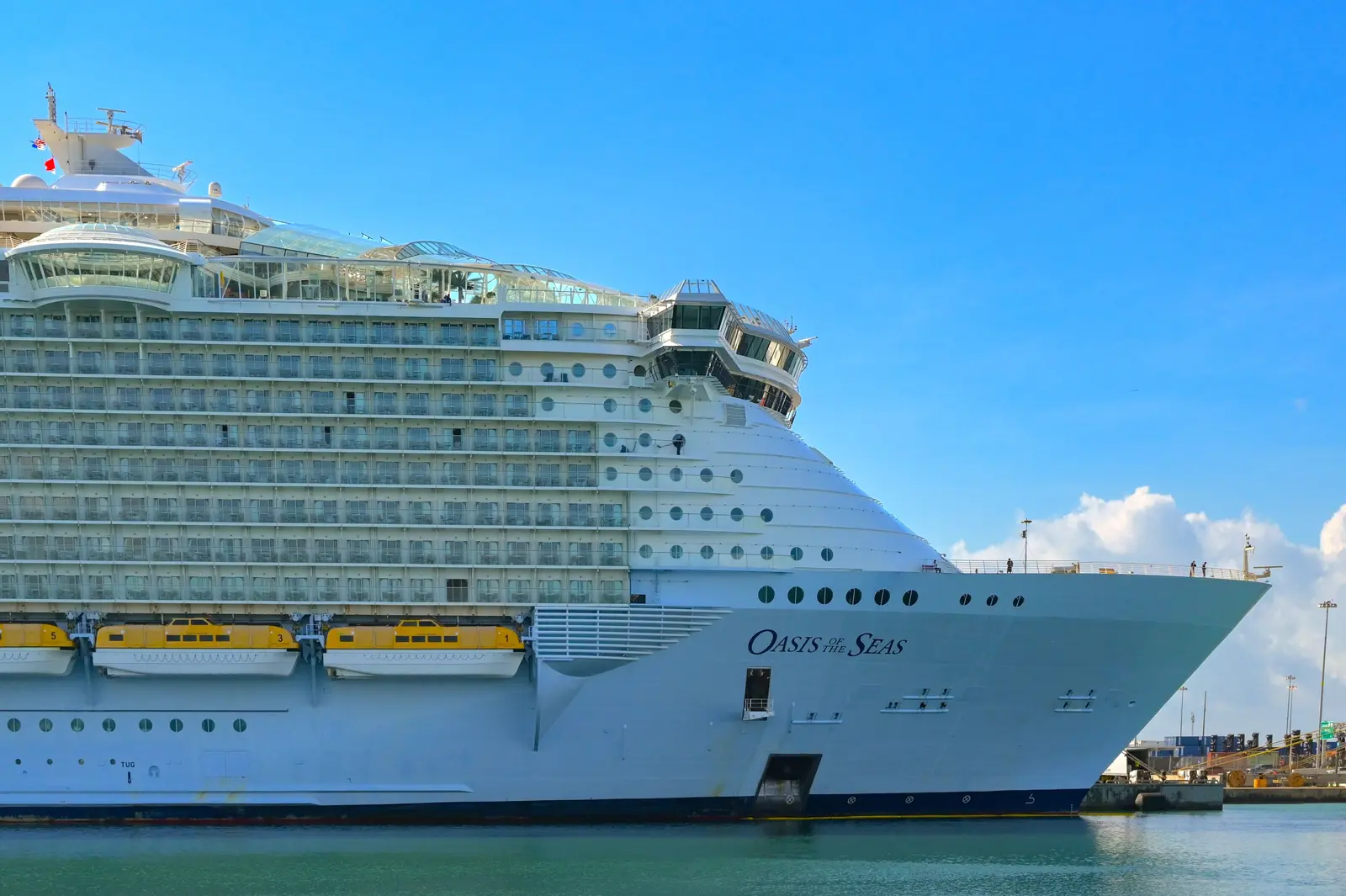 Royal Caribbean Cruise Diverts From Bahamas To Canada Amid Weather Concerns
 Chapel of Expiation: A Silent Witness to France’s Revolution
 Lufthansa to Launch Columbus‑Frankfurt Direct Flights in 2027
The King’s affection for Chiang Mai wasn’t simply sentimental. He spent considerable time there, particularly during the cooler months. This royal presence encouraged preservation of the city’s cultural heritage. It also fostered a slower pace of life, a contrast to the rapid modernization seen in Bangkok and other areas. Chiang Mai maintains a strong connection to its traditions.
Chiang Mai’s distinct character stems from its long history. Founded in 1296, it served as the capital of the Lanna Kingdom for centuries. This independent history left a lasting mark on the city’s architecture, cuisine, and customs. Ancient temples, or wats , dot the landscape. They showcase intricate designs and religious significance.
Does Chiang Mai Offer a Different Thai Experience?
The city’s layout reflects its historical importance. A moat and walls once surrounded the old city, remnants of which still exist today. Within these boundaries, a network of narrow streets reveals traditional wooden houses and bustling markets. This creates a tangible sense of stepping back in time. The preservation efforts, supported by the late King, ensured this historical fabric wasn't lost.
Many visitors note Chiang Mai offers a markedly different experience compared to southern Thailand’s beach resorts. While beaches and nightlife define much of Thailand’s tourism, Chiang Mai focuses on culture, nature, and a more relaxed lifestyle. The surrounding mountains provide opportunities for trekking and exploring ethnic minority villages.
The city’s culinary scene also sets it apart. Northern Thai cuisine emphasizes fresh ingredients and unique flavors. Khao soi , a coconut curry noodle soup, is a local specialty. It’s rarely found outside the region. The emphasis on local produce and traditional cooking methods contributes to the city’s authentic appeal.
The enduring influence of the late King continues to shape Chiang Mai. His commitment to sustainable development and cultural preservation is visible throughout the city. This legacy ensures Chiang Mai remains a special destination. It offers visitors a glimpse into a more traditional and peaceful side of Thailand. The city is likely to continue attracting those seeking an authentic cultural experience.
Frequently Asked Questions
What makes Chiang Mai different from Bangkok? Chiang Mai is smaller and more relaxed than Bangkok. It has a stronger focus on culture and nature. Bangkok is a bustling, modern metropolis, while Chiang Mai retains a more traditional atmosphere.
When is the best time to visit Chiang Mai? The cool, dry season from November to February is the most pleasant time to visit. Temperatures are mild and rainfall is minimal. This makes it ideal for outdoor activities and exploring the city.
Is Chiang Mai expensive to visit? Chiang Mai is generally more affordable than many other popular tourist destinations in Thailand. Accommodation, food, and transportation are all reasonably priced.
Content written by James Walker for travel-good.com editorial team, AI-assisted.