Navigating New Digital Border Protocols for U.S. Travelers in Europe
The Shift to Automated Biometric Verification
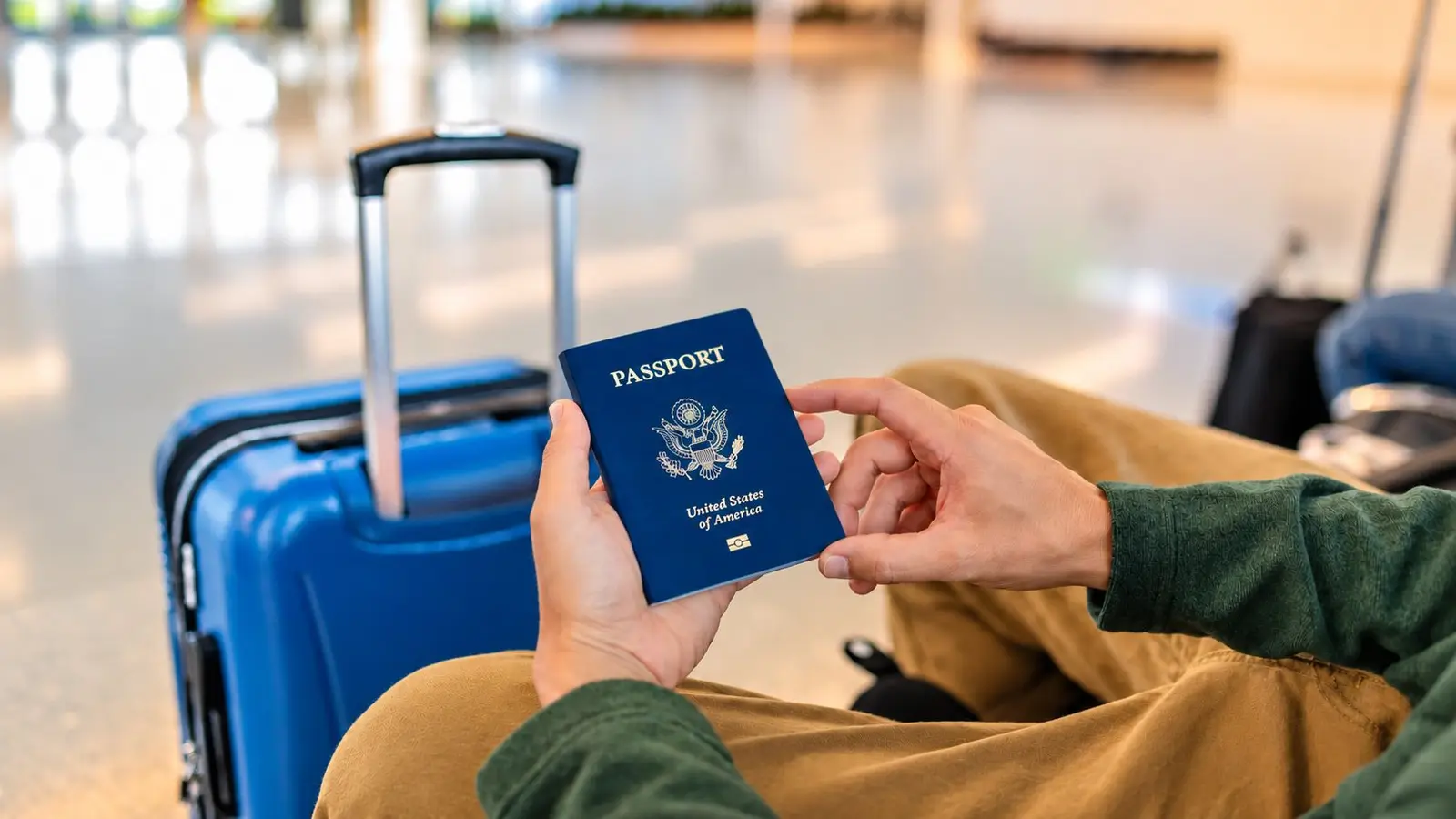
American citizens traveling to Europe now face a modernized border control landscape as of April 10, 2026. While U. S. passport holders still enjoy visa-free entry for stays up to 90 days, the European Union has implemented the Entry/Exit System across 29 nations to replace traditional manual passport stamping with automated digital tracking.
Latest news
 Cuthbert Ncube, Tourism Visionary, Passes Away; Africa Loses Key Leader
 Hilton Molino Stucky Venice Unveils Newly Re-designed Venetian Ballroom and Conference Centre
 The top things to know about MICHEL REYBIER Hospitality
 France's independent hotels earn the most per room in southern Europe
This shift marks a significant departure from historical travel norms. Travelers must now navigate biometric data collection, including facial recognition and fingerprint scanning, upon their first arrival. This digital record tracks exactly when visitors enter and leave the Schengen Area, ensuring that the 90-day limit is strictly enforced through a centralized database.
The EES system is designed to streamline security while tightening oversight of non-EU nationals. By digitizing entry and exit data, authorities can instantly identify overstayers who have exceeded their allotted time. Travelers should anticipate longer processing times at initial border crossings as officials integrate these biometric checks into the standard arrival procedure.
Are You Prepared for the New Digital Checkpoints?
Beyond the EU’s internal changes, travelers must also account for the United Kingdom’s separate electronic authorization requirements. Even for those transiting through London, specific pre-travel documentation is now mandatory. These layers of digital bureaucracy mean that arriving at the border without proper preparation can lead to significant delays or potential denial of entry.
The transition away from physical ink stamps is permanent, and travelers must adapt to these technical requirements. Failure to register biometric data correctly during the first entry will complicate subsequent visits. Visitors are encouraged to double-check all entry requirements for both the Schengen Area and the United Kingdom before booking flights.
As these systems become the standard, the ease of spontaneous travel to Europe will likely diminish. Travelers must treat border compliance as a pre-trip necessity rather than a formality. Staying informed about specific country requirements remains the best way to ensure a smooth journey across European borders in this new era.
Frequently Asked Questions
Do I still need a visa to enter Europe? U. S. citizens do not need a visa for short-term stays of up to 90 days. However, you must now provide biometric data and register your entry digitally.
What happens if I stay longer than 90 days? The new digital system tracks your movements precisely and will flag any overstays. Violating these time limits can result in fines, deportation, or future travel bans.
Does the UK follow these same rules? The United Kingdom maintains its own separate electronic authorization system. You must secure the required documentation for the UK independently of your EU travel plans.