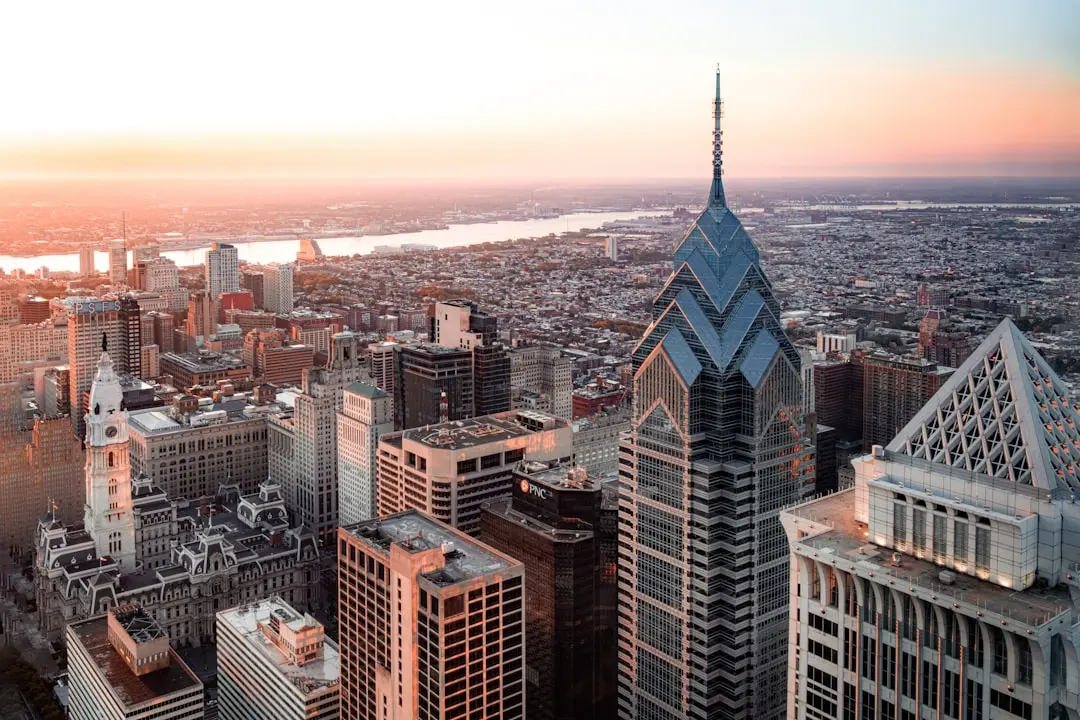
Philadelphia: America's First City of Innovation, Still Finding Its Culinary Voice
Why Did Philly's Food Scene Take So Long to Develop?
Philadelphia gave the United States its first library, first hospital, first stock exchange, and first zoo. It served as the nation's capital before Washington, D. C. was established. The city's legacy of pioneering achievements spans education, medicine, finance, and conservation. Yet despite this history of firsts, its food scene long lagged behind other major urban centers. For generations, Philly was celebrated for its cheesesteaks and soft pretzels, but not for culinary innovation. Now, a new generation of chefs is working to change that perception, arguing the city's gastronomic identity is finally evolving to match its historic reputation.
Latest news
 19 Unique Things to Do in Cape May, NJ
 A Local Says to Visit These 29 Farms in Puerto Rico
 21 Best Things to Do in Yakima (By a Local)
 Solo Travel for Women: Practical Tips and Inspiring Destinations
Chef Ari Miller points to the city's deep-rooted working-class traditions as both a strength and a limitation. „Philly built its identity on hearty, affordable food that fed factory workers and dockhands,”Miller explains. „That created incredible staples, but it also meant fine dining and experimental cuisine weren't prioritized for decades.”The city's culinary lag wasn't due to lack of talent, but rather cultural priorities. Immigrant communities shaped neighborhoods with distinct food cultures—Italian in South Philly, Irish in Kensington, Jewish in Northeast—but these often remained localized rather than influencing a unified citywide gastronomic movement. Only recently have chefs begun bridging these traditions with modern techniques, creating dishes that honor heritage while pushing boundaries.
How Are Local Chefs Redefining Philadelphia's Food Identity?
Miller's restaurant exemplifies this shift, blending Pennsylvania Dutch ingredients with Japanese precision in dishes like smoked beetroot horseradish custard with locally cured trout. Other chefs are reimagining classics: transforming the cheesesteak with wagyu beef and aged provolone, or elevating hoagies with house-cured charcuterie and fermented vegetables. Farmers' markets like Reading Terminal have become incubators for this movement, connecting urban cooks with Amish and Mennonite producers just hours away. The James Beard Foundation has taken notice, nominating Philly chefs at record rates in recent years. This isn't about abandoning tradition—it's about using the city's rich history as a foundation for something new, proving that innovation can coexist with respect for the past.
Frequently Asked Questions
What specific historical firsts does Philadelphia hold beyond food? Philadelphia established America's first library (1731), first hospital (1751), first stock exchange (1790), and first zoo (1874). It also served as the U. S. capital from 1790 to 1800 while Washington, D. C. was under construction.
Is Philadelphia's food scene now considered nationally competitive? While still building momentum, Philadelphia has gained significant recognition in recent years, with multiple James Beard Award nominations and growing attention from national food publications. Critics note the city is transitioning from a destination for iconic street food to one with sophisticated, diverse dining options that reflect its complex cultural heritage.
Content written by María José Gonzalez for travel-good.com editorial team, AI-assisted.