The Mourne Mountains Shaped C.S. Lewis’s Narnia: How Northern Ireland Inspired a Magical Kingdom
How a Small Northern Irish Town Became Lewis’s Magical Kingdom
In the working‑class streets of east Belfast, the fantastical beasts of Narnia now compete for wall space with balaclava‑clad loyalist murals. For decades the city’s art projected paramilitary strength, but in recent years it has begun to honour other local contributions, notably those of writer C. S. Lewis.
Latest news
 Aranui’s New Ship Arrives in the South Pacific
 Tunisia Prepares for Rare Solar Eclipse and Cultural Highlights
 Guam Visitors Bureau relaunches Håfa Adai Pledge with Ken Micronesia
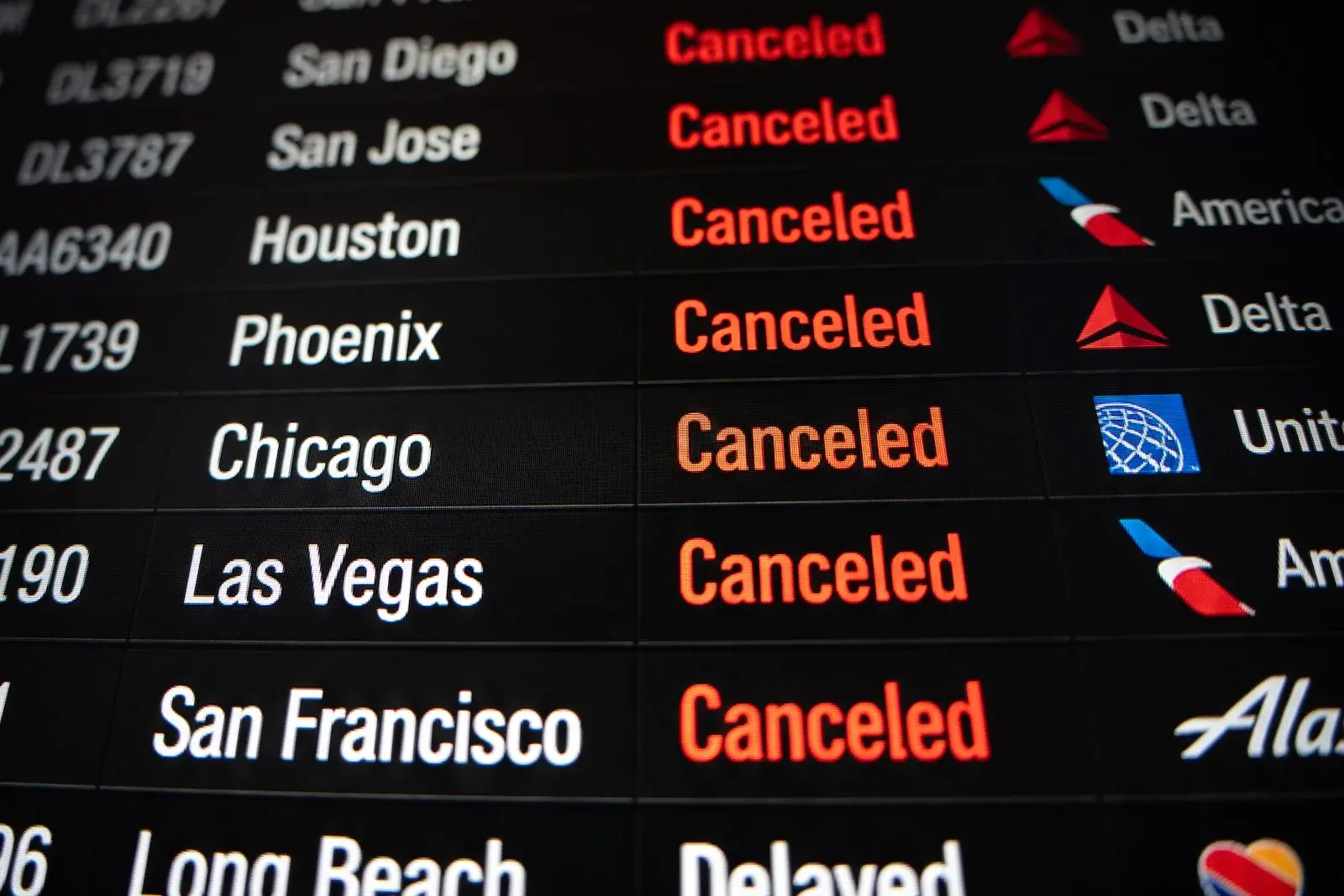 Air Travel Chaos: How TPG’s Experts Steer Travelers Through Flight Disruptions
Lewis was born in 1898 in a modest terraced house in the Dundela district, a building that was later demolished and replaced by less attractive blocks. Yet other parts of the area preserve his memory. The C. S. Lewis Forest in the Holywood Arches neighbourhood features a short walking trail dotted with metal sculptures of the Lord and Lady Beaver, Mr. Tumnus and other beloved Narnian figures. The centerpiece is a towering Aslan that dominates a circular platform.
Just a fifteen‑minute walk away, St Mark’s Church on Holywood Road guards a much smaller lion that may have inspired Lewis’s Aslan. Lewis’s grandmother, the Reverend Thomas Hamilton, served there for thirteen years; the church’s front door once bore a bronze lion’s head handle. The original was removed for safekeeping, but an exact replica now attracts thousands of Lewis pilgrims each year.
The Circular Way, a tree‑lined lane half a mile from the church, marks where the Lewis family moved in 1905 to a large red‑brick house on the city’s fringe. The house, called Little Lea, is privately owned but visible through an iron gate at the lane’s end. Lewis described it in his autobiography Surprised by Joy : „To a child it seemed less a house than a town… long corridors, sun‑lit empty rooms, quiet upper floors, solitary attic explorations.”
Little Lea appears in the first two Narnia books. In The Magician’s Nephew a boy discovers a portal to another world while exploring a great loft, and in The Lion, the Witch and the Wardrobe a game of hide‑and‑seek leads a group of children to the same magical realm a generation later. Though close to east Belfast’s industrial heart, the house sat on the edge of fields, hills and woods that stretched outward like a vast playground.
Lewis once told Warnie that the view
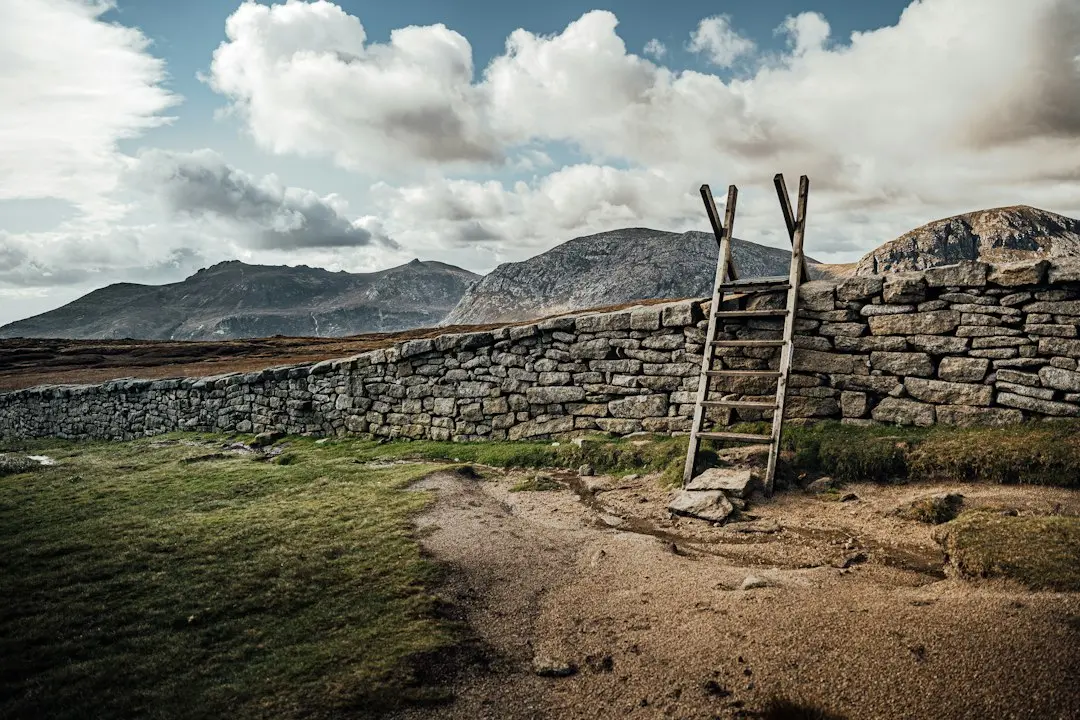
As children, Lewis and his older brother Warnie roamed the hills between Belfast and Strangford Lough with a freedom that would astonish modern parents. Today, the Belmont Road still climbs dramatically from the city toward the highlands overlooking Belfast, Bangor and Newtownards, offering countless viewpoints. Lewis never identified a single spot that inspired his ethereal descriptions, but he praised the white‑rock cliffs of Whitespots Hill above Newtownards as a fitting analogue for the stone table where Aslan was sacrificed. He wrote in Surprised by Joy : „Looking south with a slight turn to the east, a different world opens… and beyond the Down plain you see the Mourne Mountains.”
Lewis once told Warnie that the view from the Mournes over Rostrevor, looking down at Carlingford Lough, formed his idea of Narnia. That claim now appears on a bench at a viewpoint in Kilbroney Forest. Sitting there, it is easy to imagine, as Lewis later noted in an essay, that „a giant could raise his head above the next ridge.”
Rostrevor lies an hour’s drive south of Belfast, while an hour north leads to the spectacular coastline where Lewis holidayed with his mother as a child. Scholars and fans still debate whether Dunluce Castle or the Downhill Estate inspired Cair Paravel, Narnia’s royal seat. Dunluce’s dramatic ruins perch on the Portrush coast, but Downhill’s remaining castle walls and the iconic Mussenden Temple more closely match Lewis’s description of Cair Paravel as „a great star lying on the beach.”
Lewis wrote his autobiography while completing the seven Narnia chronicles. The landscapes he recalled in his memoir likely fed the creation of his enchanted kingdom. Today, the pastoral, sky‑filled scenes of Narnia appear on east Belfast murals, offering a surprising contrast to images that glorify terror. In a city where conflict once dominated, these artistic tributes suggest that, like Narnia, good may yet prevail.
The first of Netflix’s new Narnia adaptations, The Magician’s Nephew , will open in cinemas on 12 February 2027 and stream on Netflix from 4 April 2027.