Tunisia Prepares for Rare Solar Eclipse and Cultural Highlights
Solar Shadows over Ancient Ruins
On August 2, 2027, a total solar eclipse will sweep across central Tunisia, briefly darkening the sky over historic sites such as El Jem’s Roman amphitheater, Kairouan’s Great Mosque, and the Sahara dunes near Tozeur. The event, expected to last several minutes, will attract astronomers and tourists alike, offering a unique opportunity to witness both celestial wonder and ancient heritage.
Latest news
 Aranui’s New Ship Arrives in the South Pacific
 Guam Visitors Bureau relaunches Håfa Adai Pledge with Ken Micronesia
 Air Travel Chaos: How TPG’s Experts Steer Travelers Through Flight Disruptions
 Aer Lingus Upgrades Long-Haul Fleet with Luxury Cabins
The eclipse’s path of totality will traverse key landmarks, turning familiar sights into dramatic backdrops of darkness. Local authorities are coordinating viewing stations and safety measures, while cultural institutions plan special exhibitions to celebrate the alignment of science and history. The timing coincides with a growing interest in Tunisia’s tourism, as the country promotes its diverse landscapes—from Mediterranean coastlines to Saharan plateaus.
Why Tunisia’s Desert is the Perfect Backdrop
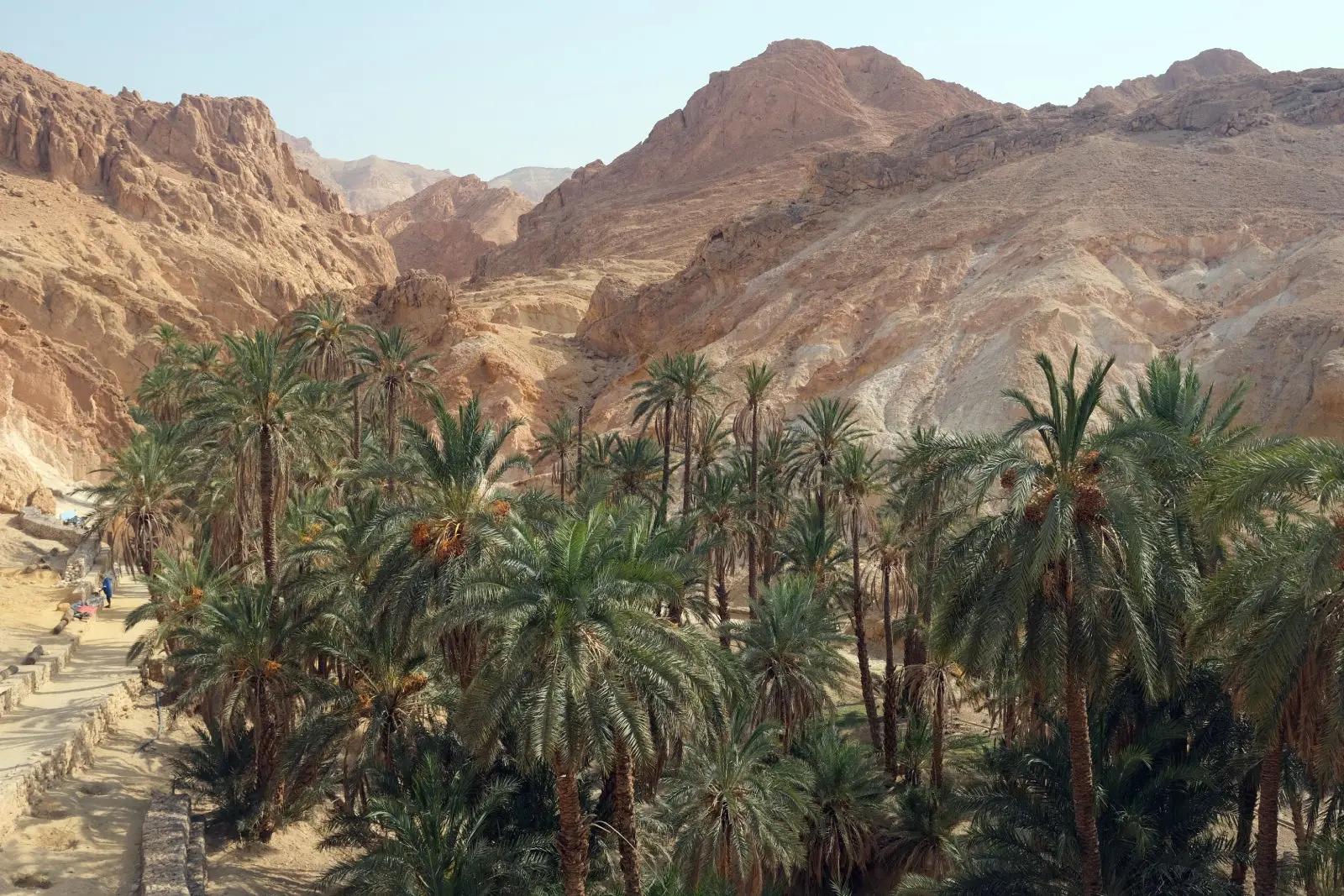
Visitors to El Jem will see the massive amphitheater, one of the largest in the Roman world, bathed in twilight as the sun disappears behind the horizon. Nearby, the Great Mosque of Kairouan, a UNESCO World Heritage site, will experience a rare moment of total darkness, creating a striking contrast between stone and sky. In Tozeur, the desert’s towering dunes and deep canyons will provide a dramatic stage for the eclipse, drawing photographers and stargazers to the edge of the Sahara.
Local guides emphasize the importance of eye protection and recommend early arrival at observation points. „The darkness is brief, but the impact is profound,” says a tour operator in Kairouan. „It’s a chance to connect the past with the present, to see how ancient people might have perceived such an event.”
How Will the Eclipse Affect Local Communities?
The Sahara’s vast, open terrain offers unobstructed views of the sky, making it an ideal setting for eclipse observation. The region’s unique geological formations—sand dunes, rocky canyons, and salt flats—add visual interest to the celestial event. Moreover, the area’s relative isolation ensures fewer crowds, allowing for a more intimate experience.
Tourism officials note that the eclipse could boost regional economies, especially in rural communities that rely on seasonal visitors. „We’re preparing infrastructure to accommodate increased interest,” says a spokesperson for the Ministry of Tourism. „From lodging to guided tours, we want to showcase Tunisia’s natural beauty while preserving its cultural sites.”
Frequently Asked Questions
The influx of visitors is expected to bring both opportunities and challenges. Increased traffic to historic sites may strain conservation efforts, prompting authorities to implement temporary restrictions on access. Local businesses anticipate higher demand for accommodations, food, and transportation services, potentially raising prices during the event period.
In response, the government has launched a coordinated plan that includes temporary parking zones, guided tour schedules, and educational programs about eclipse safety. Community leaders in Tozeur are also working with conservationists to ensure that the desert’s fragile ecosystems remain protected.