
The Spirit of a Borderless Europe Steams from the Pots and Pans of Vienna
A Culinary Legacy
Viennese cuisine is heavy, rich, and always sprinkled with breadcrumbs or sugar powder. It survived the fall of empires. The food reflects a history of decline and resilience.
Latest news
 American Airlines turns 100 years of flight memories into 200,000-mile jackets
 Expedia Group Acquires Kiwi.com to Expand European Flight Sales
 Atlas Ocean Voyages Lets Guests Choose Hull Color for New Sailing Yacht
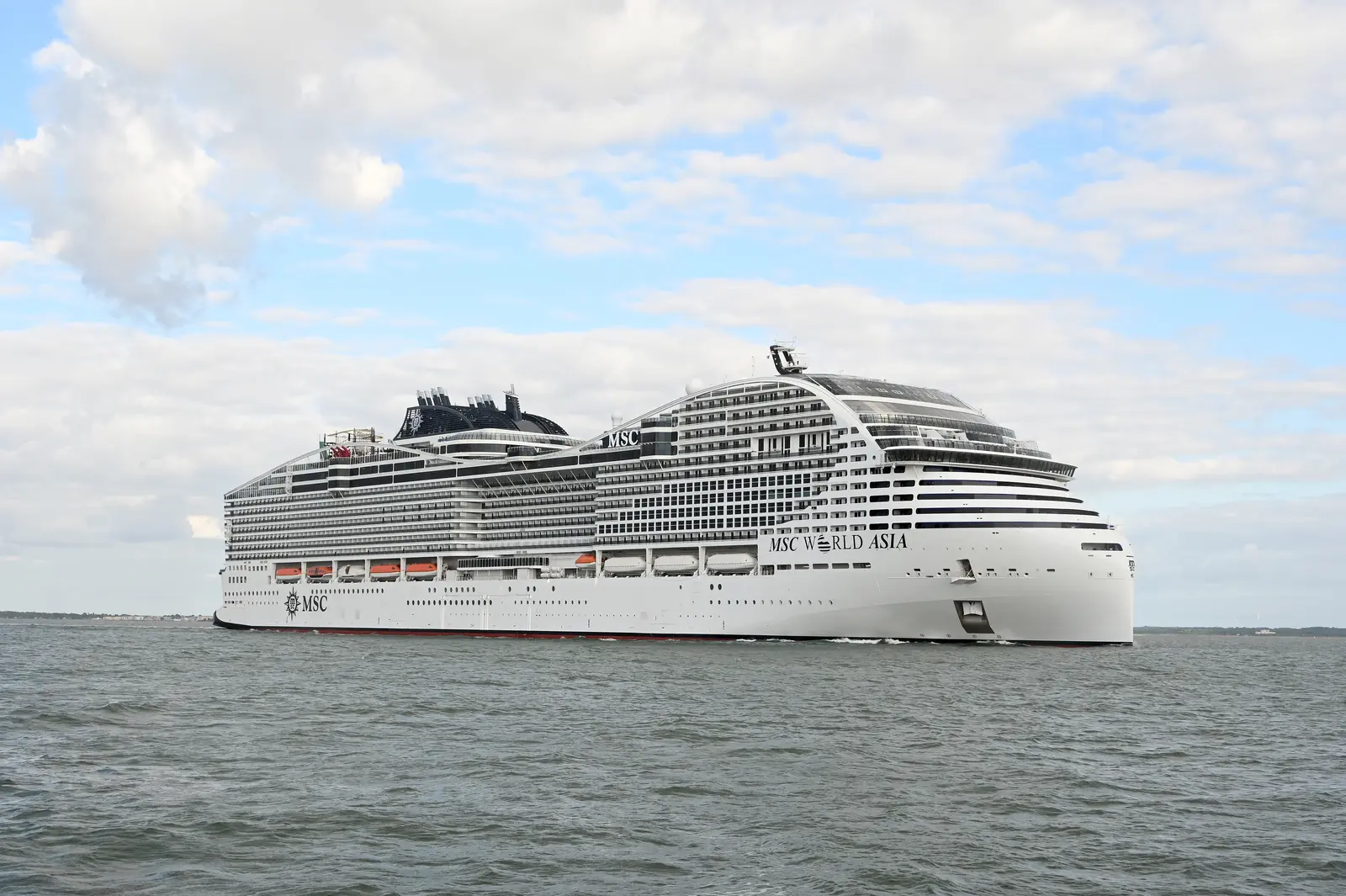 MSC World Asia Sets Sail as One of the World's Largest Cruise Ships
The Schnitzel Standard
The Viennese schnitzel is a world-class culinary legend. It is presented as a golden, wavy cutlet that overhangs the plate. It comes with a slice of lemon, sometimes in a linen pouch. The rules are strict. The meat must be pounded paper-thin. The breadcrumb coating must be light and airy. The potato salad uses a vinaigrette of veal broth, vinegar, oil, and finely chopped onion. No mayonnaise. Any deviation is an offense.
In Vienna, you can argue ideology with strangers, but the quality of a schnitzel is not up for debate. Locals take food seriously, but not too seriously. If you have nothing to laugh about at dinner, you have nothing to laugh about in life.
What Is Viennese Cuisine?
Many claim to know Viennese cuisine, but there is no clear definition. The search for authentic Viennese food is destined to fail. It is the legacy of an empire that no longer exists. Over the centuries, its dishes were inspired by Galician, French, Italian, Bohemian, Hungarian, and Polish traditions. From the pots and pans of Vienna, the spirit of a borderless Europe steams.
The Secret Is Time
The secret of Viennese cooking lies less in recipes and more in the time devoted to preparation. A schnitzel must be fried gently. A strudel must be rolled with patience and care. A goulash must simmer until the onions have almost completely dissolved. That special quality simply requires time.
And then, of course, the café. The real, unmistakable, world-famous Viennese café. It still exists. Like in New York, Prague, Budapest, Paris, Zurich, and Trieste. You sit, sink into the worn cushions, order a kleiner Brauner or a Melange with froth, and wait. For what is not always clear. Perhaps just for the day to pass a little. The café is not a place where you need an experience. You can just sit there, read, and let time pass without needing a justification. Outside, the world goes past you; inside, the coffee goes cold. In a world where free time is organized to the last minute, this is a considerable luxury. Perhaps the café is a particularly elegant form of escape. You sit, drink, get lost in thought, and wait for something to happen. In most cases, nothing happens. Sometimes, the waiter brings the bill.
The Café
Of course, you can stay seated and order a second, a third, a fourth coffee and wonder where in the world you would be better off at that moment. In the end, Vienna is above all, even in Vienna itself.