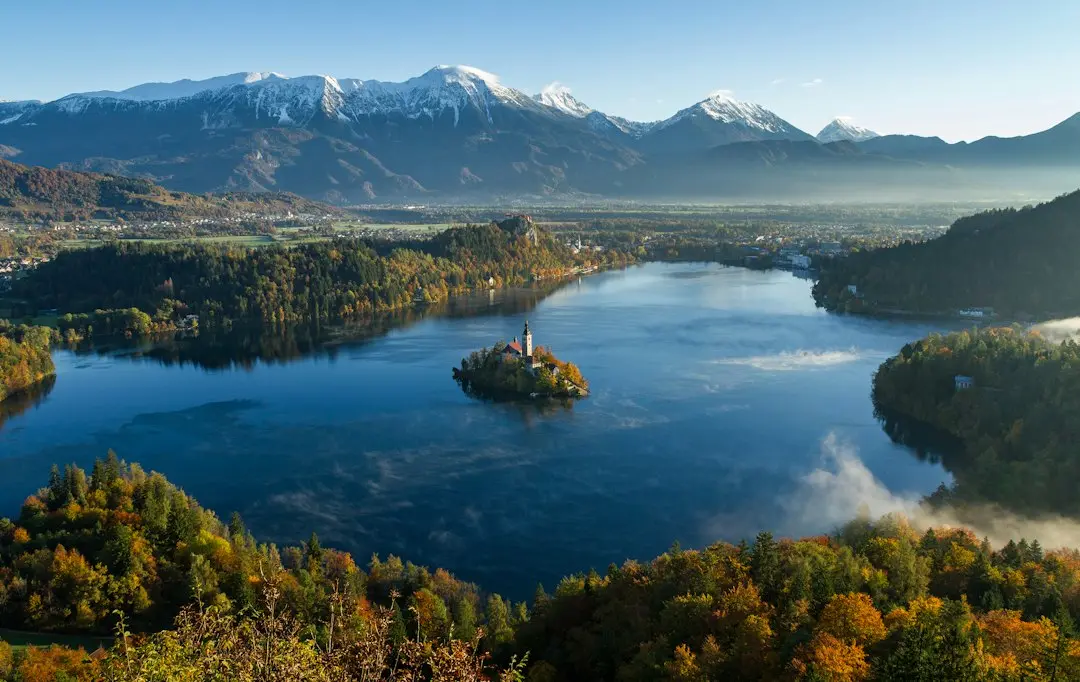
Croatia and Slovenia offer a seamless cross-border road trip
From Alpine Lakes to Adriatic Shores
The two countries share a border and a deep historical connection. Slovenia features emerald rivers and a compact capital city. Croatia boasts 1,800 kilometers of coastline and over 1,200 islands. Walled cities along the coast have remained largely unchanged since the Venetian era.
Latest news
 Italy’s Tourism Agency Partners With Private Sector to Expand Global Reach
 American Airlines turns 100 years of flight memories into 200,000-mile jackets
 Expedia Group Acquires Kiwi.com to Expand European Flight Sales
 Atlas Ocean Voyages Lets Guests Choose Hull Color for New Sailing Yacht
Slovenia’s landscape is defined by its mountainous terrain. Visitors can hike through pine forests and swim in crystal-clear alpine lakes. The capital, Ljubljana, is small enough to cross on foot in minutes. This compactness makes it easy to explore the city center without a car.
Croatia’s appeal lies in its extensive coastline. The Adriatic coast stretches for thousands of kilometers. Travelers can visit historic walled towns that preserve their medieval character. The country also offers a vast archipelago for island-hopping adventures.
Why Combine These Two Destinations?
Combining both countries maximizes variety in a single trip. Travelers experience alpine nature in Slovenia and coastal history in Croatia. The shared border makes crossing between the two nations simple and efficient. This route allows visitors to see two distinct European landscapes without changing transport modes.
The trip is best experienced as a continuous road journey. Starting in Slovenia and ending in Croatia covers the full geographic range. Visitors can witness the transition from highland to seaside. This approach ensures a balanced itinerary with diverse activities.
Frequently Asked Questions
Is the road trip from Slovenia to Croatia easy to drive? Yes, the border crossing is straightforward. The route connects mountain roads to coastal highways. Travelers should allow extra time for customs checks.
How many days are needed for this combined trip? A minimum of seven to ten days is recommended. This allows time for both alpine and coastal exploration. Rushing the itinerary reduces the quality of the experience.
Are there specific seasons that work best for this route? Spring and early autumn are ideal. These periods offer mild weather for hiking and swimming. Summer is busy but provides the best conditions for island visits.