This Tokyo Hotel Offers Total Privacy and Tranquillity in Japan’s 24-Hour Megacity
The Ginza location, while central, feels insulated due to soundproofing and
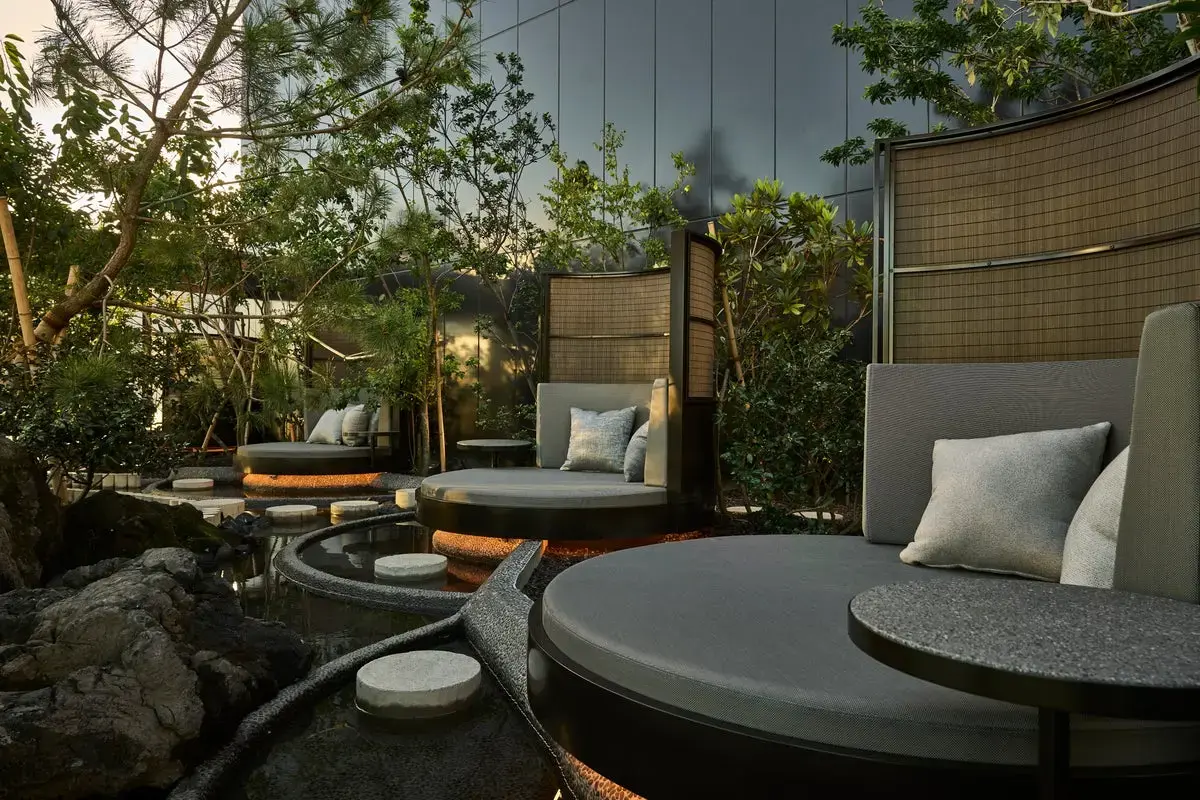
Fufu Tokyo Ginza, a boutique hotel in Tokyo’s Ginza district, provides guests with complete seclusion through private onsen baths in every room and individual dining booths, ensuring no contact with other visitors. Located in one of the world’s busiest cities, the hotel blends traditional Japanese design with modern solitude, offering a rare escape from urban intensity. Opened recently, it caters to travelers seeking authentic tranquillity without leaving the metropolis. The hotel’s concept centres on eliminating shared spaces entirely. Each suite features a natural hinoki wood bathtub filled with spring water, mimicking a personal onsen experience. Meals are served in enclosed booths where guests dine alone, with menus highlighting seasonal kaiseki cuisine prepared by in-house chefs. Staff movements are carefully choreographed to avoid guest interaction, using hidden corridors and timed service.
Latest news
 Phu Quoc: Vietnam’s Premier Tropical Island Escape
 Finding the Best Neighborhoods to Stay in Peru’s Coastal Capital
 Bomb Threat Diverts Tel Aviv Flight to Sofia
 Tracing Ancient Footsteps Through the Yucatán Wilderness
This design responds to growing demand for post-pandemic privacy, particularly among domestic travelers and international visitors wary of crowded spaces.
The Ginza location, while central, feels insulated due to soundproofing and discreet entryways. How Does the Hotel Achieve True Seclusion in a Crowded City? Fufu Tokyo Ginza uses architectural innovation to create isolation. Rooms are arranged so that no two doors face each other, and hallways zigzag to prevent sightlines. Guests check in via a private elevator that opens directly to their floor, bypassing lobbies entirely. Even amenities like laundry and concierge services are requested through in-room tablets, minimizing staff presence. The hotel limits occupancy to just 14 suites, ensuring low density. Local materials such as washi paper and bamboo are used throughout to enhance the sense of retreat, while ambient noise from the city is blocked by layered insulation.
This approach transforms a typical urban stay into a meditative retreat
This approach transforms a typical urban stay into a meditative retreat. What Kind of Experience Do Guests Actually Have? Visitors describe the stay as deeply restorative, noting the psychological relief of not encountering strangers. One guest, a freelance designer from Osaka, said she felt „like the city had paused just for me” during her three-night stay. Another, a couple celebrating an anniversary, praised the ability to talk freely without worrying about being overheard. The onsen water is changed daily and sourced from volcanic springs, maintained at 40°C. Breakfast includes grilled fish, miso soup, and pickled vegetables, served warm in the private booth. Nighttime amenities include yukata robes and green tea, with lights dimmed automatically at 11 PM to encourage rest.
The absence of shared lounges or bars means the hotel feels more like a private residence than a lodging. Frequently Asked Questions How do guests request services without interacting with staff? All requests are made through a secure in-room tablet system, which sends alerts to staff who then deliver items via hidden service doors or timed drop-offs, ensuring no face-to-face contact. Is the onsen water shared between rooms? No, each room has its own private bathtub filled with freshly sourced spring water that is drained and refilled after every guest, guaranteeing complete hygiene and privacy. Can guests still access Tokyo’s attractions easily from the hotel? Yes, despite its secluded feel, the hotel is a five-minute walk from Ginza Station and within walking distance of major shopping, dining, and cultural sites, offering both convenience and calm.
Content written by James Walker for travel-good.com editorial team, AI-assisted.